

What Is the Unboxing Experience?
There is a particular disappointment in paying a premium price and receiving something that arrives like a shipment. The product is right; the box betrays it. Customers describe the feeling bluntly — it “kills the magic,” and it plants a quiet doubt: if the brand cut corners on the box, what else did it cut?
The unboxing experience is the full sequence a customer moves through from first receiving a package to the final product reveal — not a single moment, but a choreographed set of visual, tactile, and structural cues. Almost all of those cues come from the packaging: the weight of the box in the hand, the way the lid lifts, the finish under the fingers, the fit of the product inside. It is the difference between opening a shipment and opening a gift, and packaging is what decides which one it feels like.
Arkay has spent more than 100 years making the part of that sequence a customer sees and holds first: the folding carton. This guide is about packaging’s role in the unboxing experience specifically — why it matters, the packaging elements that create it, how to elevate them, and which brands use packaging to do it best.

Why the Unboxing Experience Matters
The unboxing moment shapes what a product is worth in a customer’s mind before they have used it.
The clearest evidence comes from a University of Wisconsin study conducted in collaboration with Pregis, in which the same product was presented in both premium and economy packaging. Customers rated the premium-packaged version as worth 45 percent more in expected retail price and were actually willing to pay about 30 percent more for it, while the premium packaging cost only 8.7 percent, roughly 19 cents, more to produce (Pregis / Page Moreau, 2018). The economy packaging, meanwhile, produced measurably more frustration and a stronger sense of letdown. The takeaway for a brand is direct: the box is one of the most cost-efficient levers available for moving perceived value.
That perception carries into loyalty. Consumer research from Dotcom Distribution found that 40 percent of shoppers are more likely to make a repeat purchase from a brand that delivers in premium packaging, and 51 percent say premium packaging makes a brand feel more upscale (Dotcom Distribution, 2022). And the stakes keep rising as buying moves online — e-commerce reached 16.9 percent of US retail sales in early 2026 (US Census Bureau, 2026), which means the box, not a store shelf, is increasingly a brand’s first physical impression. That impression is also public: 69 percent of consumers say unboxing and review videos significantly factor into their purchase decisions (MGH, 2024), so a considered reveal doubles as marketing a brand does not pay for.

The Elements That Create a Memorable Unboxing Experience
A memorable unboxing is not one flourish. It is several packaging decisions working together — and any one of them, done carelessly, undercuts the rest.
- The reveal sequence. How the box opens — a lid lift, a tuck release, a sleeve slide, a two-piece tray-and-lid — and how many layers a customer moves through before reaching the product. Staged reveals extend anticipation; a flat, everything-at-once opening spends it all at once.
- Substrate and weight. Heavier board reads as intentional investment before a finish is even noticed. It is the first thing a hand registers.
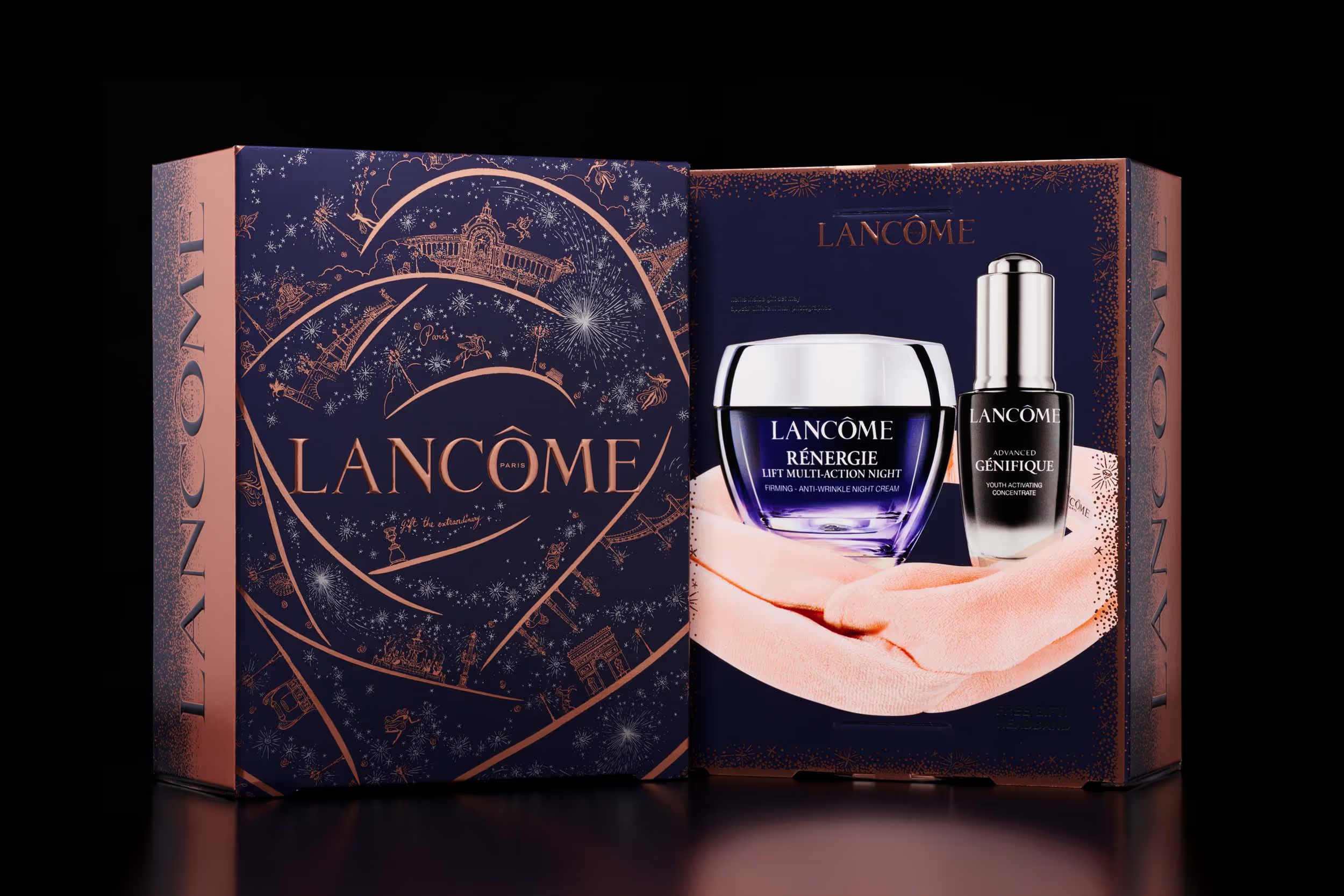
- Finish. Foil stamping, embossing and debossing, soft-touch coatings, and spot UV are the primary tactile and visual signals of quality — the cues a customer feels before they read a word.
- Color consistency. Deliberate, consistent color signals brand control; drift reads as carelessness.
- Custom-fit inserts. A precise cradle communicates care and protects the product. A loose fit — a product that rattles or shifts — quietly cancels every premium cue above it.
- Branded interior touches. A logo on the underside of a lid, a message that appears only on opening, sequential numbering on a limited edition — small details that extend the sense of occasion.
- Responsible materials. Visibly certified, low-waste materials now read as a premium signal rather than a compromise.
The through-line is coherence. A striking foil stamp on thin, flimsy board, or a heavy substrate ruined by a sloppy die-cut, reads as confusion rather than luxury. The elements have to agree with each other.
How to Elevate the Unboxing Experience Through Packaging
Elevating the experience is mostly about intention — and one hard constraint most brands forget.
Start with the practical moves, all of them packaging decisions. Design the opening to telegraph itself, so a customer knows how to open the box without instructions. Stage the reveal in the structure — an outer carton, then a tray or sleeve, then the product — so opening is a short sequence rather than a single event. Treat the interior as real estate: the underside of a lid or the face of a tray is prime space for print or a foil detail. Add one unexpected packaging touch — a finish, a message, or an interior print that only appears once the box is open. Restraint reads as more expensive than density: a soft-touch field with a single foil focal point outperforms a box that stacks every technique at once.
Now the constraint. Elevation cannot come at the cost of ease. The same locking tabs, tight friction fits, and multi-layer trays that create a satisfying reveal are exactly what turn into a “packaging puzzle” when overdone. The data is stark — in one 2026 survey, 78.8 percent of consumers said they had needed a tool to open packaging at least monthly, and 48.1 percent had stopped buying a product specifically because of frustrating packaging, while 52.7 percent said they would pay more for packaging that opens easily (UPrinting, 2026). A reveal that fights the customer produces the precise frustration a premium buyer is paying to avoid. The goal is theatre and ease at once, which is a manufacturing problem as much as a design one.
The second discipline is restraint about waste. Over-engineered packaging — nested boxes, excess void fill, non-recyclable laminates — increasingly reads as wasteful rather than luxurious. Anchoring the material story to genuine certification keeps the responsible cue and the premium cue on the same side.

Brands With the Best Unboxing Experience
The brands consistently cited for premium unboxing do not share a single trick. They share a discipline.
- Apple engineers the reveal mechanically — the lid lifts with dampened air resistance, creating a deliberate pause before the product appears, centered and framed, against thick matte paperboard.
- Tiffany & Co. does the work before the box even opens: its trademarked robin’s-egg-blue box and white ribbon signal occasion and authenticity on sight.
- Chanel uses a monochrome palette with gold foil and, on some lines, a color-shift from a matte black exterior to a burgundy interior, so the color change itself becomes the reveal.
- Hermès turned a constraint into an icon — its signature orange box began as a wartime stock substitution and became one of luxury’s most recognizable cues.
- Johnnie Walker Blue Label makes provenance part of the ritual, shipping serial-numbered bottles with a certificate of authenticity so that confirming the number becomes part of the spirits unboxing sequence.
- Glossier proves the point with restraint: a logo printed inside the lid, revealed only on opening — one deliberate detail rather than many competing ones.
What unites them is a controlled reveal, a tight engineered fit, materials and finish doing the signaling instead of print volume, and restraint. None of these brands is an Arkay client or competitor; they are simply the clearest examples of the principles above.

How Arkay Engineers the Unboxing Moment
The unboxing experience begins with the folding carton, because that is what a customer sees and holds before anything else — and it is exactly what Arkay makes.
With more than 100 years of manufacturing across four generations, Arkay treats the outer carton as the opening act of the reveal. Structural style sets the physical moment of opening — a straight-tuck release, an auto-lock bottom, a two-piece tray-and-lid — while substrate weight sets the expectation the instant the box is lifted. Finishing carries the sensory signal: foil stamping, embossing and debossing to a ±0.3mm registration tolerance, soft-touch coatings, spot UV, and inline pearlescent effects from double flexo coaters, all held to consistent Paint on Press and G7-managed color. These are among the production capabilities that let a carton feel considered rather than generic.
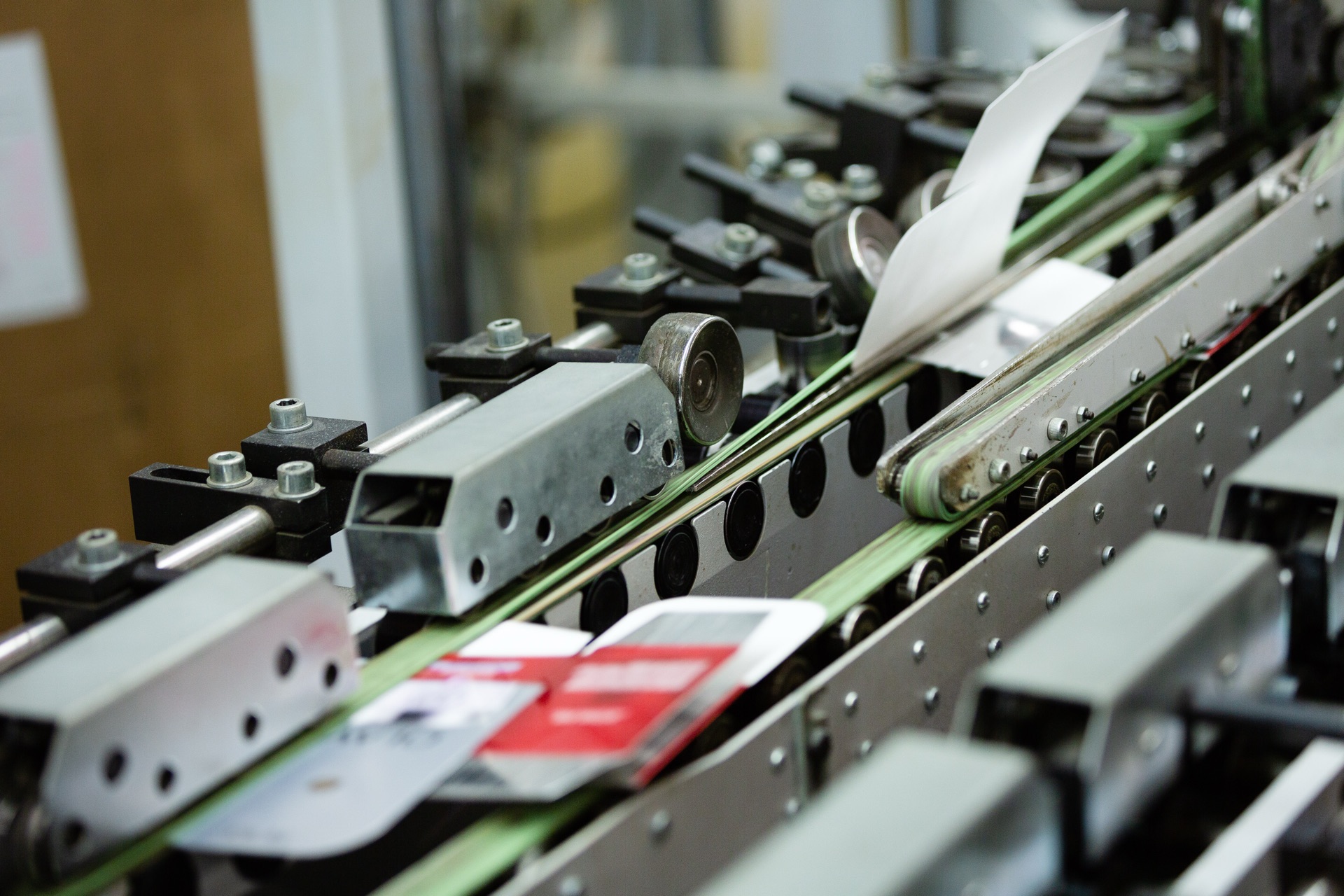
The differentiator is resolving the tension most brands run into. Because Arkay’s die-cutting and structural engineering are precise, a carton can be built to open with theatre and still open easily — the reveal and the ease are not a trade-off when the fit is engineered rather than improvised. That precision is visible on the production floor, where structure, print, and finish happen under one roof.
Honesty about scope matters here. Arkay makes the secondary folding carton, not the primary container or the interior inserts. Its role is to engineer the outer reveal — the premium packaging layer a customer meets first — and to coordinate with a brand’s primary-packaging and insert suppliers so the full sequence, from outer carton to product, works as one system. For categories where the box is the brand, like beauty and cosmetics, that outer layer is often what earns the perceived value the whole product trades on.

Design an Unboxing Moment Worth Remembering
Let’s design a box that feels like a gift, not a shipment. Whether you are launching a product, refreshing a line, or fixing packaging that looks premium but frustrates the customer who opens it, Arkay can engineer the carton and finishing that make the reveal land.
Reach out to Arkay’s team to talk through the structure, substrate, and finish behind your unboxing experience.
Frequently Asked Questions
What is a good unboxing experience versus a bad one?
A good unboxing experience feels intentional and effortless at once — weighty materials, an opening sequence that is obvious rather than fiddly, and finishes that reward attention without making the customer fight for the product. A bad one either underdelivers (a flimsy box that betrays the price) or overdelivers in the wrong way (a beautiful “packaging puzzle” that is hard to open). The line between them is coherence and ease: every cue agrees, and nothing gets in the customer’s way.
Is a premium unboxing experience worth it for mid-market brands, or only luxury?
It is worth it well beyond luxury. Any brand that ships direct to consumers is handing the customer a first physical impression, and that impression does the same perception work whether the product costs 30 dollars or 300. The right level of investment scales with the product — a mid-market brand does not need a nested luxury reveal, but a well-made carton with one considered finish still separates it from a plain shipper.
How do you design an unboxing experience for e-commerce?
For e-commerce, the packaging often ships without a retail master carton, so it is the first physical thing a customer touches — it has to protect the product in transit and still deliver a considered reveal. Prioritize a carton engineered to survive shipping, an opening sequence that is obvious rather than fiddly, and interior branding that rewards the customer at the moment of opening. Because so many customers film or photograph the moment, a clean, well-fitted reveal doubles as marketing.
Will sustainable packaging look less premium when unboxed?
Not if it is specified well. A soft-touch aqueous coating on certified paperboard, a clean uncoated premium stock, or a foil accent over responsibly sourced board all read as considered, not compromised. The perception risk with sustainability is rarely the material itself — it is over-engineering, where excess layers and void fill make packaging feel wasteful rather than premium. A single well-finished certified carton usually lands better than a nest of boxes.
What is the difference between a folding carton and a rigid box for premium unboxing?
A folding carton is printed, die-cut, and folded from a single paperboard blank and ships flat, which makes it efficient, highly finishable, and ideal for the outer reveal of most retail and beauty products. A rigid (setup) box is built from thick chipboard wrapped in paper and does not fold flat, giving maximum heft for ultra-luxury goods at a higher cost and footprint. Arkay manufactures premium folding cartons — the format most brands’ unboxing sequences are built around — not rigid setup boxes.