%20(1).jpg)

A digital render can appear exactly as intended. The physical carton it describes may not fold, close, or print the same way.
That gap, between a file you’ve approved and a carton your customer holds on the shelf, is what packaging prototyping is designed to close. Structure, color, substrate feel, and finish depth can all shift between a screen proof and a physical sample. Finding those shifts before a production run begins is the entire point of a packaging prototype.
With over a century of experience in folding carton manufacturing, Arkay Packaging collaborates with brand teams to develop structural prototypes and production samples that validate design intent before a full production run begins. The process starts at Arkay’s Design Studio in Hauppauge, New York, where brand teams can go from concept to a physical mock-up in one week.
This guide covers what packaging prototyping is, which types of packaging prototypes serve which stages, what to test at each step, and how to move from prototype packaging design to an approved sample without the revision cycles that delay launch timelines.
What Is Packaging Prototyping?
Packaging prototyping is the creation of pre-production samples, physical, digital, or both, that replicate a final package’s structure, materials, and print before a full production run is committed. For folding cartons, this means building and evaluating the carton’s structural form, closure mechanics, substrate characteristics, and print quality before plates and tooling are cut.
A packaging prototype is distinct from a mock-up or a 3D render. A render represents what a carton could look like. A prototype is built from the materials it will actually be made from, and it either works or it doesn’t. That distinction is the point.
Benefits of Packaging Prototyping
- Catch structural and visual issues early: A physical prototype surfaces fit, fold, and finish problems before a full production run is committed, when addressing them costs a fraction of what mid-production corrections require.
- Validate branding execution on actual substrate: Foil stamp registration, emboss depth, and color accuracy all behave differently on SBS board than on a calibrated monitor. A prototype confirms the finish executes as designed on the material it will actually ship on.
- Reduce approval cycles with a physical reference: Stakeholders who review a physical sample resolve color, proportion, and finish disagreements faster than those working from digital proofs alone. A tangible reference eliminates the misinterpretation that extends revision rounds.
- Reduce the risk of costly tooling changes: Identifying a design or structural flaw at the prototype stage avoids the far greater expense of revising plates, dies, and tooling after production has begun.
Why Brands Create Packaging Prototypes
The business case is a cost asymmetry. The American Society for Quality describes it as the 1-10-100 rule: fixing a defect costs roughly $1 at the design stage, $10 during production, and $100 after the product has shipped to customers. Catching a structural flaw during a prototype review costs a fraction of discovering the same flaw during a production run, or worse, at retail.
A packaging prototype also serves internal alignment. A physical sample surfaces disagreements about color, finish, and structural proportion that digital renders leave unresolved, before production tooling is committed. Stakeholders who approved a render and stakeholders who hold the prototype are not always agreeing to the same thing.
The Types of Packaging Prototypes and When to Use Each
Not every packaging prototype serves the same purpose. There are four types, each appropriate at a different stage of development.
1. The Packaging Comp or Mock-Up
A comp is a visual representation, often hand-assembled from cardstock or generated in 3D software, used for early internal approvals and concept alignment. It is the least faithful packaging prototype in the sequence: It does not reflect how the SBS board behaves at the score line, how a laminate adheres under pressure, or whether a carton closes cleanly on a high-speed erector. Comps are a starting point, not a proof.
2. The Unprinted Structural Sample
A structural sample is a die-cut, scored, and folded folding carton prototype built on the actual production substrate, with no artwork. It validates dimensions, closure fit, product clearance, and high-speed line compatibility. It is the fastest and least expensive physical sample in the sequence, and it should always come first. A structural issue caught here costs almost nothing to address. The same issue occurs after printed samples have been ordered, which costs considerably more.
3. The Digitally Printed Sample
A digitally printed packaging prototype applies artwork to the production substrate via a digital press, no plate setup required. It validates color, graphics, and print registration before offset plates are committed. The digital press process comes close to production color quality, making it the right checkpoint for graphics sign-off before the final production commitment.
4. The Production-Grade Sample
A production-grade packaging prototype is made on the same press, tooling, substrate, inks, and finishing equipment as the full order. It is the definitive pre-production checkpoint, the sample that confirms every unit in the production run will look and perform identically. Approving a production-grade sample is approving the carton itself. It is the highest-fidelity option and should be the final sign-off before mass production begins.
The recommended sequence: unprinted structural sample → digitally printed sample → production-grade sample.
Packaging Design and Prototyping with Dielines and 3D Renders
Understanding how packaging design and prototyping work together, through dielines and 3D renders, is where many brand teams lose time and revision rounds.
A dieline is the flat, 2D technical drawing that defines a folding carton’s structure: cuts, scores, folds, glue areas, and tolerances. It is the engineering document that the manufacturer works from. A 3D render is a computer-generated visualization of what the finished carton might look like, layered over or generated from the dieline geometry.
These are different artifacts, and they behave differently under real conditions.
A 3D render can represent color accurately and suggest surface texture plausibly. It cannot predict how an SBS board score line performs when the creasing matrix is set too tight, how a soft-touch coating interacts with embossing pressure, or whether a carton’s glue joint holds its geometry after months in a warehouse. What looks premium on screen can read differently in person, not because the design failed, but because the physical materials introduce variables a render cannot simulate.
The dieline is where the packaging prototype begins. Arkay’s structural engineers develop the dieline as part of the prototyping process, working from product dimensions, substrate specifications, and converting requirements. Brand teams provide the product and the artwork; the engineering team at Arkay’s manufacturing facility builds the structure that will actually run on press.
What to Test During Packaging Prototyping
A packaging prototype review is more useful with a clear evaluation framework. For folding cartons, five areas warrant scrutiny before sign-off:
1. Structure and fit. Does the carton fold correctly along all score lines, close securely, and hold the product without shifting or bulging? Verify clearance tolerances and test closure mechanisms both by hand and under simulated product weight.
2. Color accuracy. Does the printed sample match Pantone references and the approved digital artwork? SBS board’s optical properties affect ink absorption, and what reads correctly on a calibrated monitor may shift on the substrate. G7 color management certification, which Arkay carries, ensures that the color approved at the prototype stage matches what ships.
3. Substrate feel and caliper. Does the board communicate the intended brand premium? Arkay works with SBS (solid bleached sulfate) board in the 14–28pt caliper range. The right caliper depends on product weight, shelf orientation, and conversion method, and the prototype is where the spec is confirmed against the actual product.
4. Specialty finish compatibility. If the design includes foil stamping, embossing, debossing, or specialty coatings, the packaging prototype should confirm these finishes execute as designed and do not conflict with score lines, fold zones, or the substrate’s surface response. Embossing, for example, carries a ±0.3mm registration tolerance that must be accounted for in the dieline before a structural sample is cut.
5. High-speed line performance. Folding cartons are typically filled and closed on automated production lines. A carton that functions correctly at hand-assembly can behave differently at line speed. Verifying that erection, fill clearance, and closure mechanics hold up under production conditions prevents line stoppages and rejected inventory runs.
Rapid Prototyping in Packaging: How Timelines Actually Work
Rapid prototyping in packaging is frequently discussed as a capability without realistic benchmarks. Here is what a typical packaging prototype cycle involves:
- Design Studio physical mock-up (Hauppauge): as fast as one business day when urgency requires it, typically within one week, depending on project complexity
- Digitally printed sample: 7–10 business days (no plate setup required)
- Full structural prototype: approximately two weeks from a confirmed dieline (die and substrate setup required)
- Complex or production-grade prototype: 2–4 weeks (plate and die setup, full finishing required)
The most common timeline killers are not manufacturing speed; they are delayed stakeholder sign-off and dieline revisions that require structural re-engineering mid-cycle. Locking the structural design before advancing to printed samples eliminates one of the most expensive loops in the process.
Arkay’s Design Studio in Hauppauge, New York, compresses the early stages of that cycle. Brand teams can bring a product concept, dimensions, and artwork and leave with a physical or digitally printed mock-up ready for production the following week, no design team required. The structural engineers who manage the prototype are the same team that manages the production run, which means the dieline used in the prototype is the dieline that goes to press. There is no re-interpretation step between sample approval and production tooling.
This is the distinction worth building into how you select a manufacturing partner for prototyping: when the team that builds the packaging prototype is the team that runs production, the sample is designed to reflect what will run in production.
How Arkay Approaches Packaging Prototyping
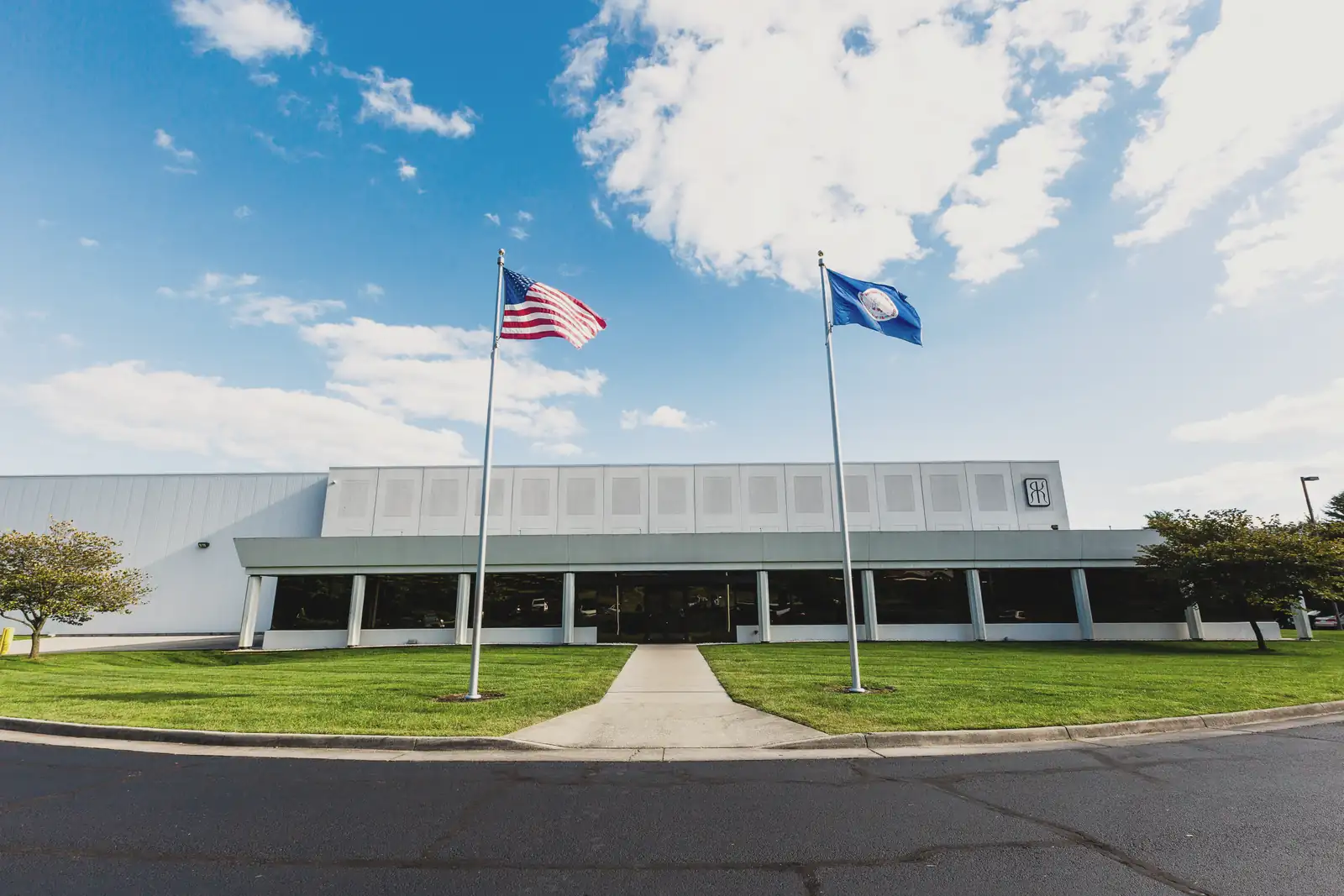
Arkay Packaging is a fourth-generation, family-owned folding carton manufacturer founded in 1922. From its 140,000 sq. ft. carbon-neutral manufacturing facility in Roanoke, Virginia, and its Design Studio in Hauppauge, New York, Arkay works alongside brand teams in cosmetics, personal care, spirits, food, and lifestyle goods to develop prototypes that function as genuine pre-production proofs.
For brands commissioning a custom packaging prototype, whether for a first product launch, a new SKU, or a format re-engineering project, Arkay’s Design Studio provides structural engineering, G7-calibrated color management, and specialty finishing evaluation in a single session. Three capabilities define the approach:
G7 color management. Arkay’s G7 color management certification carries color approval during a prototype review through to what ships. For brands where Pantone accuracy is a brand equity requirement, such as cosmetics, spirits, and premium personal care, this is the checkpoint that removes color revision cycles from the timeline.
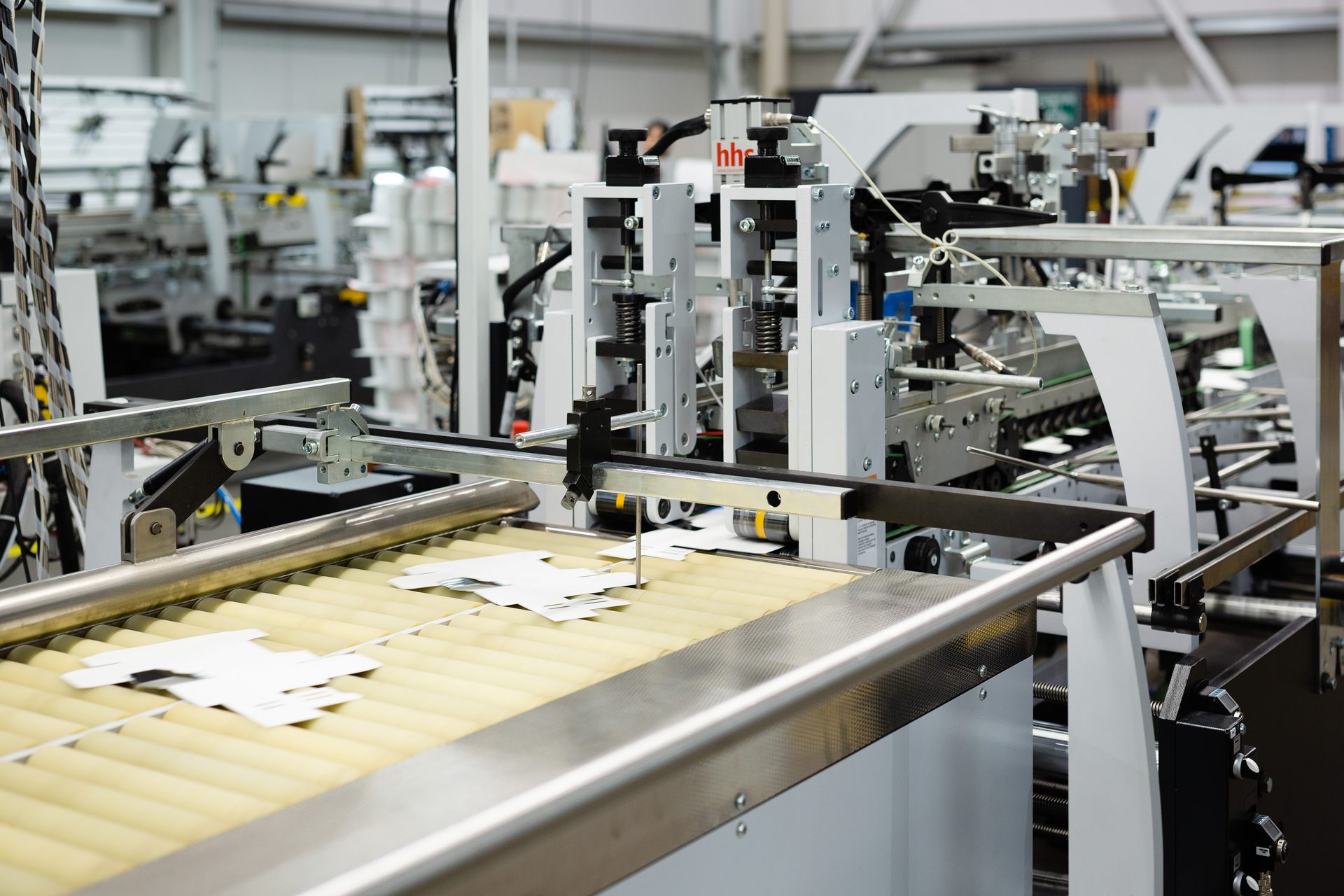
Structural engineering from dieline to delivery. Every folding carton prototype at Arkay begins with structural design. Arkay’s engineering team builds the dieline from actual product dimensions, accounts for SBS board behavior at production speeds, and reviews score placement, glue flap geometry, and finish zone interactions before a single sample is cut. The carton that comes out of a prototype session reflects what will run in production: the same dieline, the same substrate, the same finishing logic.
Paint on Press at the prototype stage. Arkay’s proprietary Paint on Press process delivers up to 20 specialty finishing variations without the additional tooling steps required by conventional finishing. For brands evaluating multiple finishing directions, options can be assessed and narrowed at the prototype stage before a production commitment is made.
For a deeper look at the full production process, Arkay’s behind-the-scenes manufacturing content walks through each stage. For brands building a premium packaging strategy that requires close alignment between design intent and manufacturing execution, the prototype stage is where that collaboration begins.
From Dieline to Approved Sample
A packaging prototype is the stage between a file you’ve approved and a carton you’ve committed to. That gap is where most production surprises are either caught or missed.
For folding cartons, prototyping is where structural performance, color precision, and specialty finish compatibility are validated, before tooling is cut, before plates are made, before the production run begins. The teams that move fastest through this stage build the prototype with the same manufacturer that will run their production. The sample becomes proof, not a guess.
To request a structural sample or schedule a session at Arkay’s Design Studio, connect with Arkay’s team.
Frequently Asked Questions
What is packaging prototyping?
Packaging prototyping is the process of creating pre-production physical or digital samples that replicate a final package’s structure, materials, and print before committing to a full production run. It allows brands to validate dimensions, closures, color accuracy, and finish quality, catching problems at prototype cost rather than production cost.
Why do brands create packaging prototypes?
Brands create packaging prototypes to reduce production risk, validate design intent before committing budget, and align internal stakeholders on a physical object rather than a digital render. Packaging prototyping also surfaces structural issues, color discrepancies, and substrate incompatibilities that screen proofs cannot reveal.
How do packaging prototypes reduce production risks?
Packaging prototypes reduce production risks by surfacing structural, color, and manufacturability problems before plates, tooling, and full production runs are committed. Identifying a flaw at the prototype stage is significantly less costly than discovering it mid-production or after delivery to retail. A structural issue invisible at hand-assembly can cause line stoppages and rejected inventory at scale.
What should brands test during packaging prototyping?
Brands should test structural integrity (fold quality, closures, product fit), color accuracy against Pantone references, substrate feel and caliper, specialty finish compatibility (foil, embossing, coatings), and high-speed line performance. For folding cartons, verifying that score lines, glue joints, and closure mechanisms function reliably under production conditions is essential before approving a design for full production.
Which packaging manufacturers provide packaging prototypes?
Packaging manufacturers with in-house structural engineering, on-site sampling equipment, and G7-calibrated color management offer the most reliable prototyping services. The key distinction is whether the manufacturer builds prototypes on the same substrate, tooling, and equipment as their production runs, not through an external mock-up supplier. Arkay Packaging provides folding carton prototyping through its Design Studio in Hauppauge, New York, where the structural engineers who build the prototype are the same team that manages production.
Does Arkay provide packaging prototyping services?
Yes. Arkay Packaging provides packaging prototyping services through its Design Studio in Hauppauge, New York, where brand teams can bring a concept and leave with a physical or digitally printed mock-up ready for production the following week. Arkay’s structural engineers develop the dieline, manage G7-calibrated color, and can evaluate specialty finishing options, including Paint on Press, at the prototype stage.
Can Arkay produce folding carton prototypes quickly?
Yes. Arkay’s Design Studio in Hauppauge, New York, is designed for speed. For urgent needs, a physical mock-up can be ready in as little as one business day. In most cases, brand teams can bring a concept and leave with a physical or digitally printed mock-up within one week. The Design Studio does not require a brand’s design team to be present; Arkay’s structural engineers and design staff guide the process from product dimensions and artwork through to a finished physical or printed sample.