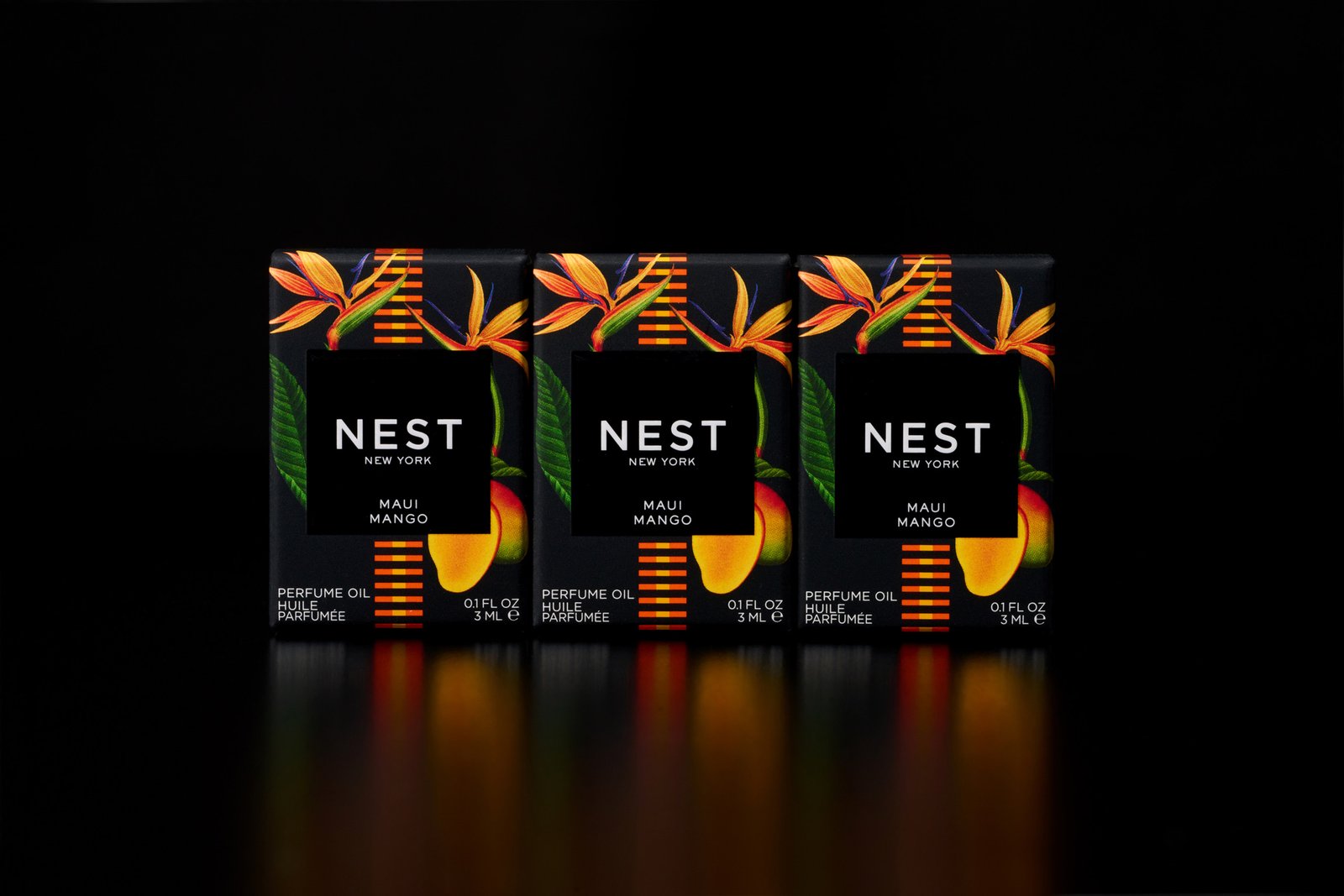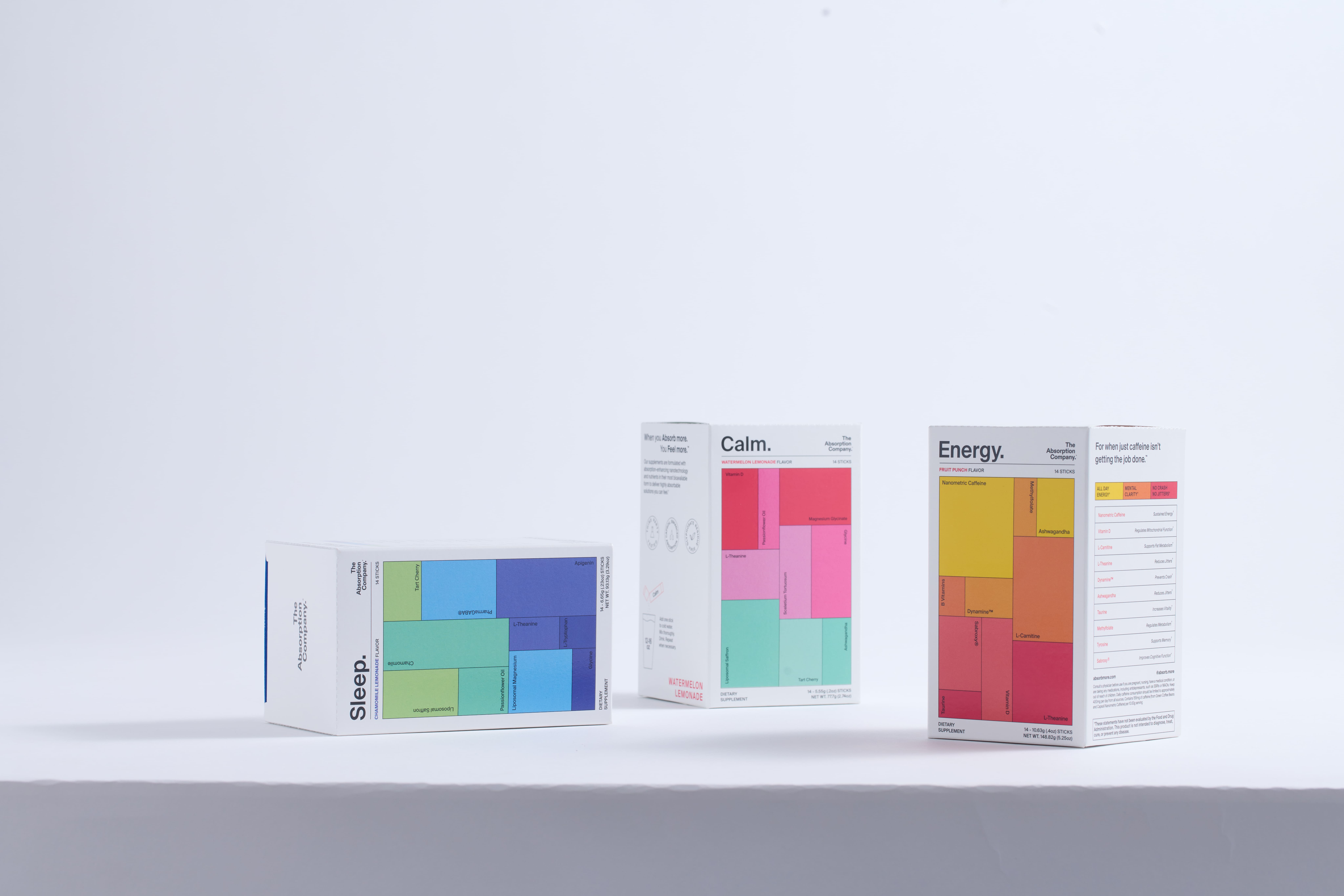

A health product can carry real efficacy and still get passed over on the shelf. The formula is sound, the clinical story is strong, but the secondary carton looks like every other white box in the aisle, the color drifts between production runs, or the panel real estate cannot hold the labeling the category demands. For supplement, nutraceutical, personal care, and wellness brands, the folding carton is where credibility is won or lost at the point of purchase.
This guide covers what the folding carton actually does for a health product: the labeling and compliance information it must carry, the substrate and caliper decisions that affect shelf durability and fill-line performance, and the color precision and finishing that separate a premium health brand from a commodity generic. The focus is secondary folding cartons — the printed paperboard outer packaging — not primary containers or pharmaceutical Rx packaging.
These are the decisions Arkay Packaging has engineered for personal care, nutraceutical, and wellness brands for more than a century, and they reward getting right.
What Is Health Product Packaging?
Health product packaging is the protective and informational enclosure used for consumer health goods — vitamins, dietary supplements, nutraceuticals, personal care products, eye care items, and oral health products. It spans two layers: primary packaging, the direct container that holds the product, and secondary packaging, the outer carton that houses the container, carries required labeling, and presents the product at retail. For most health products sold at shelf, the secondary folding carton is the principal consumer-facing element.
That distinction matters because the two layers solve different problems. The primary container — a bottle, blister pack, or jar — protects and dispenses the product. The folding carton differentiates the brand, satisfies labeling requirements, and shapes the shopper’s first impression. Brands evaluating their options for nutraceutical and supplement packaging or personal care and wellness packaging are almost always deciding on this secondary carton.
Primary vs. Secondary: What the Folding Carton Is Responsible For
The folding carton has four jobs. It carries the labeling that a health product is required to show — identity statement, Supplement Facts panel, net quantity, ingredient declaration, and manufacturer contact. It differentiates the product on a crowded shelf through structure, color, and finish. It houses and protects the primary container through distribution and retail handling. And for some products, it incorporates or works alongside tamper-evident and child-resistant features.
Arkay’s scope sits squarely in this layer. The company manufactures secondary folding cartons — not bottles, tubes, caps, jars, or blister packs. In a typical health product program, Arkay works alongside the brand’s primary container and insert suppliers as the folding-carton partner, not a one-stop packaging shop.
Labeling and Compliance Requirements for Health Product Folding Cartons
Before the carton is a branding canvas, it is a regulatory surface. The information a health product must display is defined by US frameworks, and brand teams need to plan their carton specifications around it from the start. The note below is informational guidance for planning, not legal advice — specific obligations vary by product, and brands should confirm requirements with regulatory counsel.
For dietary supplements, FDA 21 CFR Part 111 governs current Good Manufacturing Practice, including packaging and labeling operations. 21 CFR Part 101 mandates the Supplement Facts panel that appears on dietary supplement packaging, along with the principal display panel, identity statement, net quantity, and ingredient list. The carton has to reserve panel real estate for all of it — a constraint that shapes structure and dieline before any design work begins.
Over-the-counter products carry additional obligations. 21 CFR 211.132 requires tamper-evident features for OTC human drug products. A standard glued-end paperboard carton alone does not satisfy this requirement — brands pair the carton with an additional indicator such as a shrink band, tear strip, or sealed overwrap. The Poison Prevention Packaging Act requires child-resistant packaging for iron-containing products above certain thresholds and for many OTC medications.
This is the part of the conversation most ranking content skips. Design galleries show finished cartons; pharmaceutical resources go deep on Rx serialization. The practical middle — what a supplement or wellness brand’s secondary carton actually has to accommodate — is where the real specification decisions live.
Substrates and Materials for Health Product Folding Cartons
The standard substrate for health product folding cartons is solid bleached sulfate (SBS) — a bright white paperboard with an excellent, consistent print surface and compatibility with food-contact applications. Arkay prints exclusively on SBS, in a caliper range of 14pt to 28pt, with the specific weight selected for the carton’s structural and protective requirements. A single-bottle supplement carton and a heavier wellness gift format call for different points on that range.
Finish and protection are specified over the board. UV coatings, aqueous coatings, soft-touch lamination, cold foil, and embossed textures all build on the SBS surface, and barrier coatings can be applied where a product needs added light or moisture protection. For brands with sustainability requirements, FSC-, SFI-, or PEFC-certified SBS provides a documented chain of custody from certified paperboard sourcing back to responsibly managed forests.
There is an operational reason to care about where the board comes from, not just what it is. Paperboard is a living material, and its performance changes with age. After roughly three to six months — the kind of timeline that long overseas transit imposes — the opening force of a carton on a high-speed fill line degrades and can cause line-stopping defects. A domestic manufacturing partner keeps that interval short, which protects fill-line throughput as much as it protects lead times. For high-volume supplement runs, that reliability is a production fact, not a marketing line.
Color Management and Shelf Differentiation for Multi-SKU Lines
Health and wellness brands rarely launch a single product. A supplement line might run 5 to 20-plus SKUs, color-coded by vitamin type, formulation, flavor, or strength — and the consumer learns to navigate the range by color. When that color drifts between production runs, the shelf logic breaks down, shoppers grab the wrong variant, and the brand’s shelf block loses its coherence.
Controlling that drift is a manufacturing discipline. G7 color management certification calibrates color reproduction to a defined standard, so a brand’s blue-capped formula matches across batches, presses, and reorders. For a multi-SKU health line, that consistency is the difference between a shelf set that reads as one confident system and one that looks subtly off. Arkay’s color management and print precision is anchored by G7 certification and the company’s proprietary Paint on Press process, developed under Chairman Emeritus Howard Kaneff, which can run up to 20 color variations.
Differentiation then comes from the finish. In a category crowded with white-box generics, the finish is what signals that a $40 supplement is worth the premium over a commodity alternative. Cold foil, embossing, and specialty coatings build tactile and visual distinction into the carton. Arkay’s two double flexo coaters, connected inline to the main press, apply pearlescent, gold, and silver coating effects in a single pass, adding shelf presence without a separate offline finishing step.
How Arkay Engineers Folding Cartons for Health and Wellness Brands
With more than 100 years of manufacturing experience across four generations, Arkay Packaging is a fourth-generation, family-owned premium folding carton manufacturer based in Roanoke, Virginia, that engineers secondary cartons for health and wellness brands across personal care, nutraceuticals, supplements, eye care, and oral health. The company manufactures folding cartons exclusively — working alongside a brand’s primary container and insert suppliers, not replacing them.
For health products specifically, a few credentials carry weight. Arkay’s BRCGS packaging safety certification confirms GMP-compliant production standards built for food, hygiene-sensitive, and health product applications — the manufacturing-side assurance brand quality teams look for. Triple-certified paperboard sourcing (FSC, SFI, PEFC) and EcoVadis Platinum recognition, held consecutively since 2022 and placing Arkay in the top 1% of rated companies globally, support the sustainability credentials that retailers increasingly mandate. G7 color management holds multi-SKU lines consistent, and carbon-neutral operations round out the ESG picture.
Just as important is how the work gets done. Arkay partners with brand teams from the first structural concept through full production. At the Hauppauge, New York design studio, a brand can bring an idea and leave with a physical mock-up — as fast as one day when urgency demands it, typically within a week — with a production-ready prototype following in roughly 7 to 10 days, depending on the project. Production then runs at the 140,000 sq. ft. Roanoke facility. Brands can explore the full manufacturing capabilities behind that process, or read more about understanding personal care packaging for a closer look at the category.
This is a consultative model, not a transactional one. Arkay engineers the carton to perform — on the fill line, on the shelf, and against the brand’s compliance and sustainability requirements — rather than handing back a quote and a catalog.
Start A Conversation With Us
Let’s talk about the right packaging for your health or wellness brand. Whether you are launching a new supplement line, refreshing a multi-SKU personal care range, or evaluating a more collaborative folding carton partner, the work starts with a conversation about your product and your goals — not a volume threshold.
Reach out through our contact page to start the conversation. Arkay evaluates each project case-by-case based on fit.
Frequently Asked Questions
What is health product packaging?
Health product packaging refers to the protective and informational enclosures used for consumer health goods — vitamins, dietary supplements, nutraceuticals, personal care products, eye care items, and oral health products. It includes both primary packaging (the direct container: bottle, blister pack, jar) and secondary packaging (the outer folding carton that houses the primary container and carries required labeling). For most health products sold at retail, the secondary folding carton is the principal consumer-facing element.
What packaging is used for health products?
Health products use a range of primary packaging formats — bottles, blister packs, jars, tubes, and ampoules, depending on product type. Secondary packaging is almost universally the folding carton: a printed paperboard box that houses the primary container, carries required labeling, and presents the product at retail. For vitamins and supplements in bottles, the folding carton drives shelf recognition and purchase intent. Corrugated shipping boxes serve as tertiary packaging.
What materials are used in health product packaging?
Folding cartons for health products are manufactured from paperboard — most commonly solid bleached sulfate (SBS), which provides a bright, consistent print surface compatible with food-contact applications. SBS caliper for health product cartons typically ranges from 14pt to 28pt, depending on structural requirements. Coatings applied over SBS — UV and aqueous coatings, soft-touch lamination, cold foil, and embossed textures — enhance shelf presence. FSC-, SFI-, or PEFC-certified SBS is standard for brands with sustainability requirements.
What regulations affect health product packaging?
In the United States, several frameworks govern health product secondary packaging. FDA 21 CFR Part 111 covers cGMP for dietary supplements, including packaging operations. FDA 21 CFR Part 101 mandates the Supplement Facts panel on dietary supplement packaging. 21 CFR 211.132 requires tamper-evident features for OTC human drug products, a standard glued-end carton alone does not satisfy this; additional indicators such as a shrink band, tear strip, or sealed overwrap are used alongside it. The Poison Prevention Packaging Act requires child-resistant packaging for iron-containing products above certain thresholds and for many OTC medications. Specific requirements vary by product; brands should confirm their obligations with regulatory counsel.
Which companies manufacture health product packaging?
Secondary folding cartons for health products are manufactured by a range of companies, from large-scale packaging groups to specialized domestic manufacturers. Large-volume providers produce high-volume commodity cartons across multiple sectors. Specialist manufacturers focus on finish-led folding cartons for consumer brands — differentiating on finishing capabilities (embossing, foil stamping, specialty coatings), color management certification (G7), sustainability credentials (EcoVadis, FSC/SFI/PEFC), and consultative production models. Arkay Packaging is one such specialist, serving personal care, nutraceutical, eye care, and wellness brands.
Does Arkay produce packaging for health products?
Yes. Arkay manufactures secondary folding cartons for health and wellness brands, including personal care and wellness products, nutraceuticals and dietary supplements, eye care products, and oral health items. Arkay’s BRCGS packaging safety certification confirms GMP-compliant production standards appropriate for health and hygiene-sensitive products. G7 color management ensures brand color consistency across multi-SKU lines, and triple-certified paperboard sourcing (FSC, SFI, PEFC) supports ESG and retailer compliance requirements. Every project starts with a conversation about fit.
What is the difference between health product packaging and pharmaceutical packaging?
Health product packaging typically refers to secondary folding cartons for consumer health goods sold over-the-counter — vitamins, supplements, nutraceuticals, personal care items, and wellness products. Pharmaceutical (Rx) packaging encompasses the full spectrum of drug product packaging, including sterile barriers, serialization, track-and-trace systems, and blister packs built to meet FDA drug manufacturing regulations. The key distinction is regulatory complexity: Rx packaging is heavily regulated at the primary container level, while health product secondary cartons must carry required labeling and, for some OTC products, tamper-evident features — without the sterile barrier engineering of Rx primary packaging.

.png)