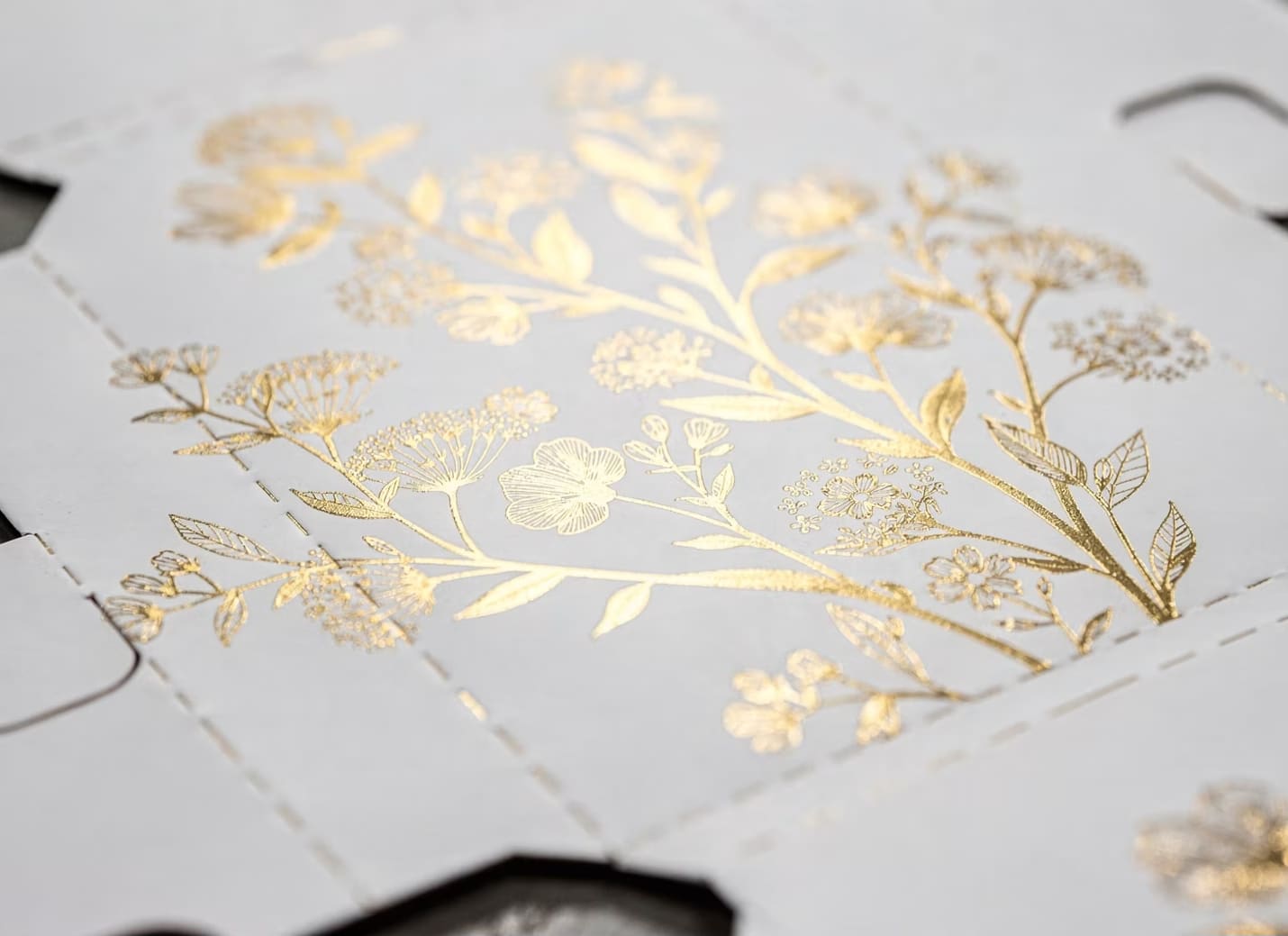

Foil stamping is the most recognized premiumization signal in folding carton packaging. When a consumer picks up a carton and sees that bright metallic logo, that reflective accent, or that shimmering color gradient — that finish started with foil.
Two methods produce that finish: hot foil stamping and cold foil printing. They look similar on shelf, but they work differently on press, carry different cost profiles, and serve different project requirements. Choosing the wrong method costs time, adds expense, and can compromise the finish your brand needs.
Most guides on this topic are written by foil suppliers, equipment vendors, or generic packaging blogs. This one is written from the production floor. With more than 100 years of finishing expertise across four generations, Arkay Packaging operates both inline cold foil and offline hot foil stamping daily — giving the team the operational perspective to compare these methods honestly and help brand teams make the right call.
This guide explains how both methods work, compares them head-to-head across every dimension that matters, and provides a decision framework grounded in over 100 years of finishing expertise.
What Is Foil Stamping?
Foil stamping is a finishing technique that transfers a thin metallic or pigmented foil layer onto a substrate — typically paperboard — to create a reflective, premium surface finish. The foil itself is a multi-layer laminate: a polyester carrier film, a release layer, a lacquer layer, a metallic or pigmented layer, and an adhesive sizing that bonds the foil to the substrate.
The result is a finish that catches light, communicates quality, and elevates shelf presence in ways that ink alone cannot replicate. Research from the OnlineLabels Premium Materials Survey found that products with premium materials are preferred for purchase 80% of the time over standard alternatives — and gold foil specifically drove a 71.6% increase in purchase likelihood compared to standard labels. Foil is not decoration for its own sake. It is a commercial tool that influences how consumers perceive and choose products.
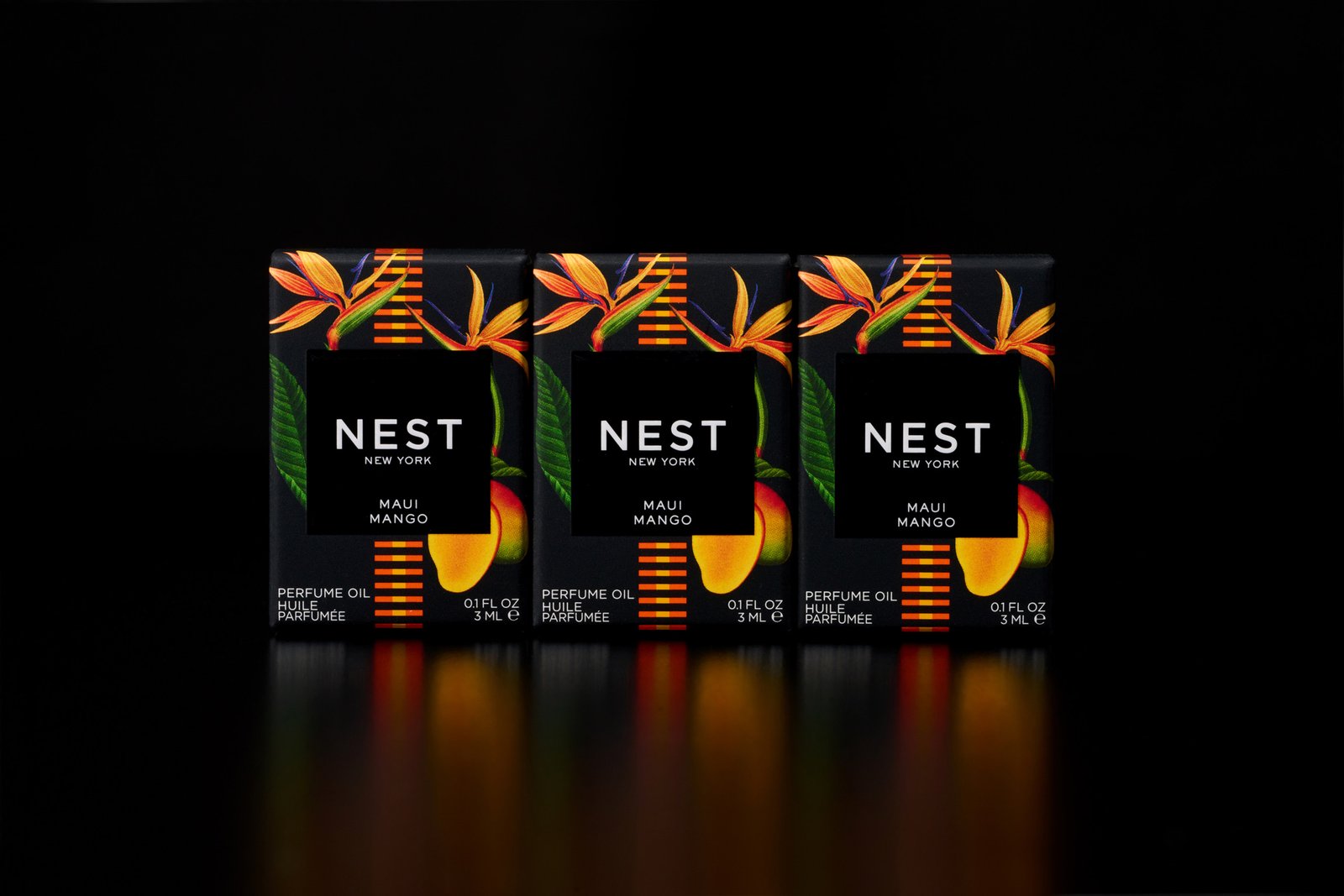
In folding carton packaging, foil stamping appears across nearly every premium category: cosmetics packaging where metallic accents signal luxury, spirits packaging where tactile foil-emboss combinations define brand identity, personal care where subtle metallic details create shelf differentiation, and lifestyle goods where foil adds a premium edge to competitive retail environments.
Two primary methods exist — hot foil stamping and cold foil printing — and each serves distinct applications. Understanding how they differ is the first step toward specifying the right finish for your project.
How Hot Foil Stamping Works
Hot foil stamping is an offline finishing process that uses a heated metal die and pressure to transfer foil onto a substrate. It is the older of the two methods and remains the standard for projects where metallic brilliance and tactile effect are paramount.
Process Overview
Artwork is converted into a custom-engraved metal die — brass for long runs, copper for mid-range, or magnesium for short runs and proofing. The die is heated, and a roll of foil (polyester carrier, release layer, metallic layer, and adhesive sizing) is positioned between the die and the substrate. Heat and pressure activate the adhesive and melt the release layer, transferring foil only where the die makes contact. The substrate exits with a permanently bonded metallic finish.
Hot foil presses range from flat-flat (platen) presses for fine detail to round-round (rotary) configurations for the highest production speeds.
Advantages
Hot foil delivers the richest metallic finish available in folding carton packaging. Because the foil release is heat-based rather than adhesive-based, the metallic layer transfers with maximum density and reflectivity. Fine detail holds exceptionally well — custom dies maintain sharp lines, small text, and intricate patterns with precision.
The slight raised effect where the foil sits above the substrate surface adds tactile dimensionality that cold foil cannot replicate. This becomes especially powerful when hot foil is combined with embossing in a single pass, creating sculpted metallic effects that define luxury packaging.
Hot foil is also the more versatile method for substrate range. It adheres reliably to coated, uncoated, and textured stocks — a critical advantage when brand teams specify natural or textured substrates for their packaging.
Limitations
Hot foil requires a custom metal die for every design, which adds tooling cost and lead time. It is an offline secondary process — a separate press pass after printing — which adds production time. Ribbon waste can be a factor when stamping small, isolated foil areas, because the foil web advances regardless of coverage. Changeovers between die setups are slower compared to plate swaps in cold foil.
Hot foil is also incompatible with heat-sensitive substrates, though this is rarely a constraint in SBS folding carton applications.
How Cold Foil Printing Works
Cold foil is an inline process that applies metallic foil during the same press pass as printing. It eliminates the need for a secondary offline stamping step and opens up color capabilities that hot foil cannot match.
Process Overview
A UV-curable adhesive is applied to the substrate using a standard offset printing plate — no custom die is required. The foil web passes between the blanket cylinder and impression cylinder, pressing foil onto the adhesive areas. A UV lamp instantly cures the adhesive, bonding the foil. Excess foil is stripped away on a rewind spool, leaving foil only where adhesive was printed.
Then CMYK or PMS inks can be overprinted directly on top of the cured foil in subsequent print stations — all in the same press pass. This creates unlimited metallic color effects, gradients, and custom metallic hues that are impossible with hot foil alone.

Advantages
Cold foil eliminates die tooling entirely, replacing custom metal dies with standard offset plates. Running inline means no secondary press pass — foil, process printing, PMS inks, and coatings are all applied in a single pass, reducing production time and handling.
Speed matters: cold foil runs at 50–60 meters per minute compared to 20–30 for hot foil. On medium-to-large runs, inline efficiency delivers meaningfully lower per-unit cost.
The CMYK overprint capability sets cold foil apart creatively. Starting from a silver or gold base, brand teams can achieve metallic gradients, halftone effects, color shifts, and virtually any custom metallic color — effects that would require specialty foil stocks or multiple passes with hot foil.
Limitations
Cold foil requires a smooth, coated substrate for reliable adhesion. On uncoated or heavily textured stock, the UV adhesive absorbs into the fibers, causing flaking, rough edges, and inconsistent foil transfer. This is a hard constraint — cold foil on the wrong substrate will fail.
The metallic finish, while strong, is slightly less brilliant than hot foil. The UV adhesive layer between the foil and the substrate introduces a faint diffusion that reduces peak reflectivity. The difference is subtle but visible when compared side by side.
Cold foil lies flat against the substrate — there is no tactile dimensionality. Combining cold foil with embossing requires a separate offline step, adding the secondary process that inline application was designed to avoid.
Hot Foil vs. Cold Foil: Head-to-Head Comparison
Choosing between hot foil and cold foil is not about which method is better — it is about which method is right for the specific project. The following table compares them across every dimension that influences that decision.
The methods are not competitors. They are complementary tools. If metallic brilliance and tactile effect are the priority — the kind of dense reflective finish that defines luxury cosmetics and spirits packaging — hot foil remains the standard. If color complexity, production speed, or inline efficiency matters more, cold foil opens capabilities that hot foil cannot match.
The best packaging programs use both, selecting the right method project by project.
How to Choose: A Decision Framework
Selecting the right foil method is a production decision, not just a design preference. The following framework covers the four criteria that determine which method fits a given project.
1. Evaluate Your Finish Requirements
If the project demands the richest metallic brilliance and a tactile foil-emboss finish, hot foil is the right method. If metallic gradients, color transitions, or custom metallic hues through CMYK overprint are required, cold foil is the only practical method — these effects require printing on top of the foil surface in a single press pass.
2. Consider Your Substrate
Substrate selection narrows the choice immediately. If the packaging design calls for uncoated, textured, or natural-finish board, hot foil is the only reliable option — cold foil adhesive does not perform on these surfaces.
On smooth, coated SBS — Arkay’s primary substrate, available in 14–28pt caliper — both methods work well. Cold foil adhesion on coated SBS is reliable and consistent, making it the substrate where cold foil performs at its best. Hot foil also adheres cleanly to coated board, so the decision moves to other criteria.
3. Factor in Volume and Timeline
Run length and schedule influence which method delivers the best value.
Short runs with accent-level foil coverage — a logo, a brand name, a border detail — often favor hot foil. Ribbon waste stays low when the foil area is small, and per-unit economics work when foil is an accent rather than a dominant surface element.
Medium-to-large runs consistently favor cold foil. Inline speeds of 50–60 meters per minute and no die tooling produce meaningfully lower per-unit cost as volume increases. When timelines are compressed, cold foil eliminates the secondary press pass entirely — saving days of production time.
4. Test Before Committing
The strongest approach is to see both methods on your actual substrate before locking in a specification. Arkay’s proprietary Paint on Press process allows brand teams to test up to 20 foil and finish variations on production equipment — comparing hot foil, cold foil, metallic inks, coatings, and embossing effects side by side using real press conditions, not digital mock-ups or samples from a foil supplier.
[IMAGE: Paint on Press foil variation samples]
This eliminates the guesswork that leads to costly revisions and reprints. Brand teams leave with physical samples showing exactly how each foil method performs on their chosen substrate, at their specified coverage, with their design — and can make the final specification with confidence.
Is Foil Stamping Sustainable?
Foil stamping is a dry, solvent-free process — no inks, solvents, or chemical coatings are involved in the foil transfer itself. Studies by the Foil & Specialty Effects Association (FSEA), PIRA International, and Georgia Tech confirm that both hot foil and cold foil decorated paper products are fully recyclable and repulpable. The foil layer dissipates during standard repulping without contaminating the fiber stream. Products with up to 80% foil coverage remain recyclable.
Waste foil carrier film is increasingly repurposed as Solid Recovered Fuel (SRF), and foil suppliers are developing take-back programs for PET carrier recycling. Cold foil’s inline process uses less energy per unit by eliminating a secondary press pass. Hot foil’s dry transfer produces minimal process waste. Both methods support responsible production.
Arkay anchors its sustainability commitment to third-party certifications: EcoVadis Platinum recognition — top 1% globally, held consecutively since 2022 — plus FSC, SFI, and PEFC chain-of-custody certifications, carbon-neutral operations, and BRCGS packaging safety certification. These credentials apply to every project that runs through Arkay’s sustainability-certified facility, including all foil stamping operations.
Why Choose Arkay for Foil Stamping
Most packaging manufacturers offer one foil method or the other. Arkay operates both.
Inline cold foil runs on Arkay’s 8-station sheet-fed offset presses, equipped with inline cold foil capability and two coating units. Cold foil, process printing, PMS inks, and coatings are applied in a single pass — no secondary handling, no additional press time. Offline hot foil stamping and embossing run as secondary decoration operations, delivering the metallic brilliance and tactile foil-emboss combinations that luxury and premium packaging demand.
This dual capability means Arkay advises based on what the project requires — not what the production floor is limited to. As Maxwell Kaneff notes, “Brand teams immediately discount cold foil because all they know is hot foil. But when a proof is done on cold foil, it ends up being much cheaper because it runs inline with printing and doesn’t require an extra pass. The industry is evolving and people are moving more toward that.” When a premium packaging program calls for cold foil on a high-volume SKU and hot foil on a limited-edition variant, both run under the same roof with G7 color management precision.
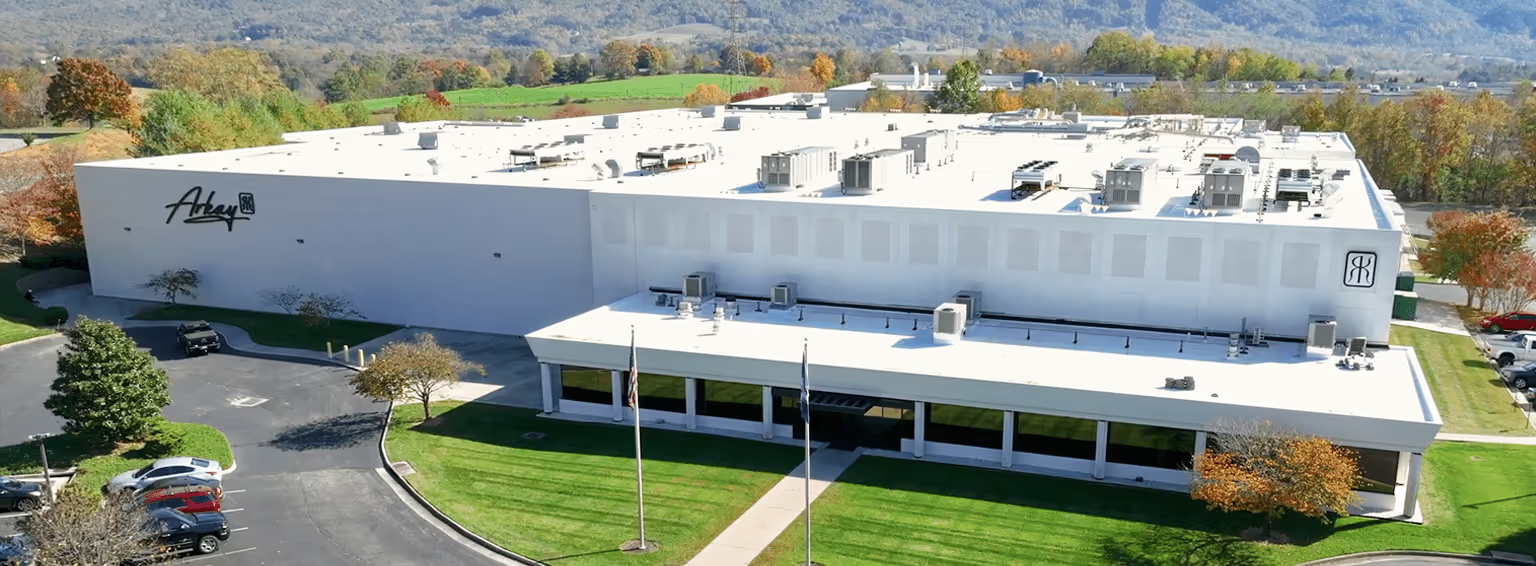
Paint on Press — a proprietary process created by Arkay’s Chairman Emeritus — brings this flexibility to pre-production. Brand teams visit Arkay’s 140,000 sq. ft. manufacturing facility in Roanoke, Virginia, and test up to 20 foil and finish variations on production equipment under real press conditions on SBS substrate (14–28pt caliper). Concept to physical mock-up is also available through the Design Studio in Hauppauge, New York — arrive with an idea, leave with a printed mock-up ready for production the following week.
Founded in 1922 and now in its fourth generation of family ownership, Arkay brings over 100 years of finishing expertise to every foil stamping project — whether that means hot foil for maximum brilliance, cold foil for inline efficiency, or both methods across a product line.
The choice between hot foil and cold foil is not a matter of preference but of precision. The right method depends on your finish requirements, substrate, run length, and timeline. A manufacturer that operates both — and advises based on what the project demands — gives brand teams the clearest path to the right specification.
Exploring foil options for your next packaging project? Arkay’s team can walk you through both methods — and with Paint on Press, you can see real foil results on production equipment before committing to a run. Start a conversation with Arkay’s team to find the right foil approach for your packaging.
Frequently Asked Questions
What Is Foil Stamping?
Foil stamping is a finishing technique that transfers a thin metallic or pigmented foil layer onto a substrate using either heat and pressure (hot foil) or UV-curable adhesive (cold foil). It creates a reflective, premium finish commonly used on cosmetics packaging, spirits cartons, and luxury consumer goods.
What Is the Difference Between Hot Foil and Cold Foil?
Hot foil uses a heated metal die and pressure — delivering the richest metallic brilliance and a slight tactile effect. Cold foil uses UV-curable adhesive applied inline on an offset press — enabling faster production, no die costs, and CMYK overprint for unlimited metallic color effects. The choice depends on finish requirements, substrate, volume, and timeline.
Is Foil Stamping Recyclable?
Yes. Studies by FSEA, PIRA International, and Georgia Tech confirm that both hot foil and cold foil decorated paper products are fully recyclable and repulpable. Products with up to 80% foil coverage remain recyclable.
Can You Print on Top of Foil?
With cold foil, yes — CMYK or PMS inks can be overprinted directly on the foil surface in the same press pass, creating metallic gradients, color shifts, and custom metallic hues. Hot foil overprinting is limited and typically requires a separate process.
Can Foil Stamping Be Combined With Embossing?
Yes. Hot foil stamping and embossing can be combined in a single pass using a sculpted die, creating a raised metallic effect. Cold foil is applied inline and lies flat, so embossing would be a separate offline step.
Does Arkay Offer Both Hot Foil and Cold Foil Finishing, and How Do I Know Which One Is Right for My Project?
Yes. Arkay operates both inline cold foil on 8-station offset presses and offline hot foil stamping and embossing — and advises based on what the project requires, not what the production floor is limited to. Through Paint on Press, brand teams can test up to 20 foil and finish variations on production equipment before committing to a run, comparing both methods side by side on their actual substrate.
Sources
- IndexBox, “Foil Embossing Machine Market Forecast,” 2025 — foil integration and luxury packaging statistics
- OnlineLabels, “Premium Label Materials Survey” — consumer perception and purchase likelihood data
- Ipsos, “Packaging Design Influences Purchase Decisions” — consumer packaging preferences
- FSEA (Foil & Specialty Effects Association) — foil recyclability and repulpability studies
- PIRA International and Georgia Tech — foil-decorated paper recyclability research
- Reanin Research, “Hot Stamping Foils Market,” 2025 — market size data
.png)