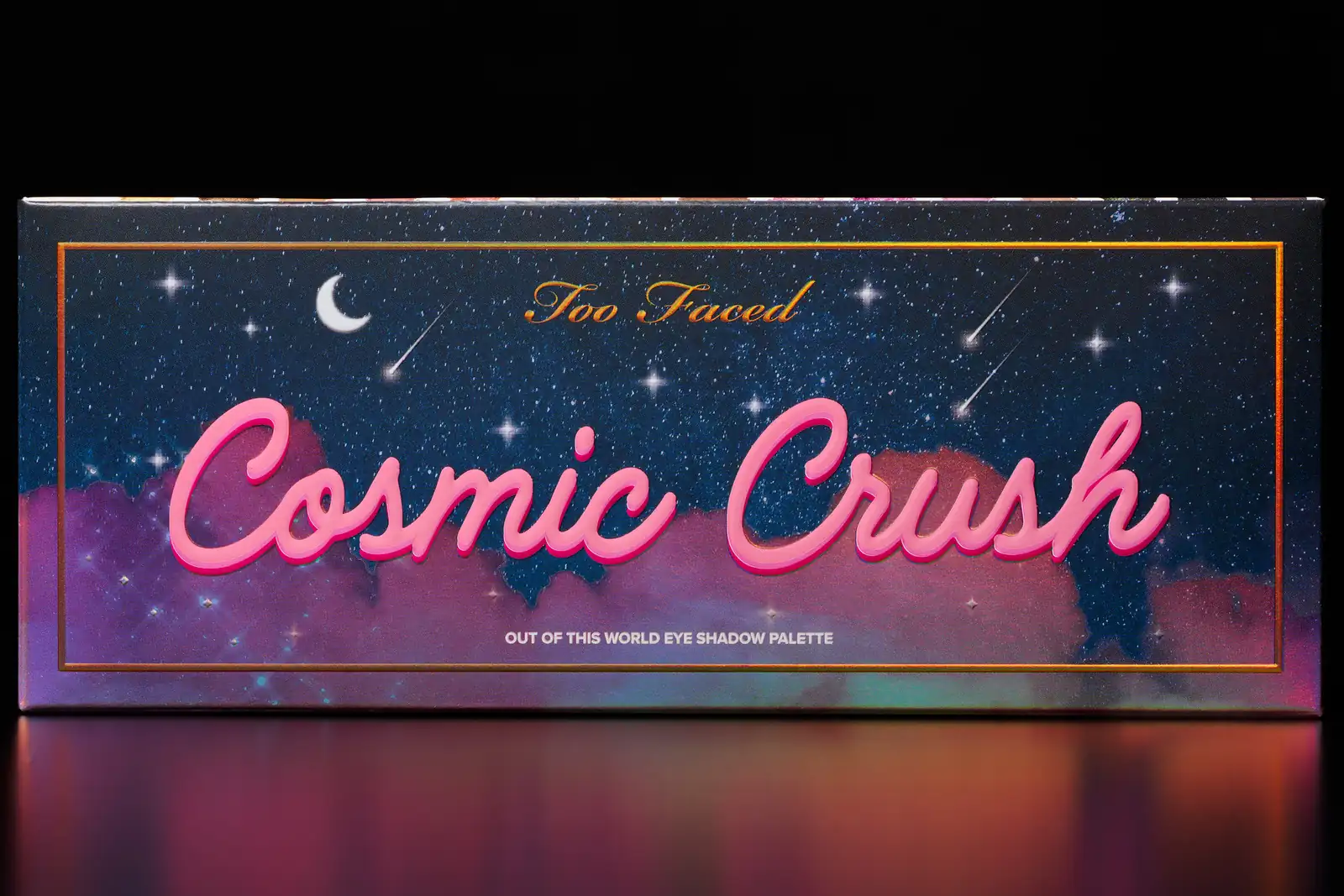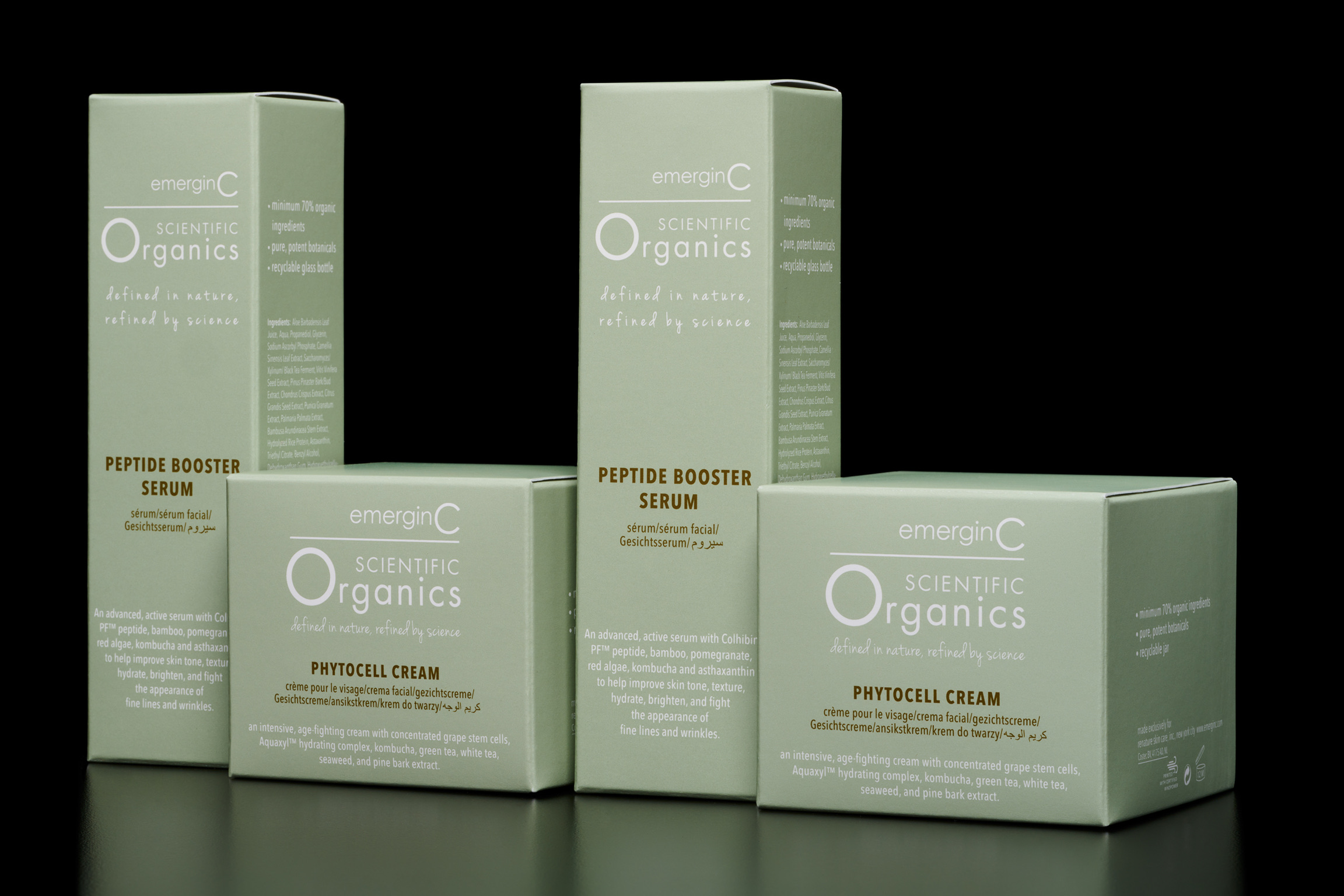

The beauty industry produces 120 billion packaging units annually. Of those, 95% are thrown away after a single use, according to the British Beauty Council, and only 14% ever make it to a recycling plant.
For beauty brands, this is no longer just a consumer PR problem. Sephora and Ulta have formalized sustainability requirements tied to shelf designation, digital visibility, and brand prominence. Brands that cannot meet specific PCR content thresholds, recyclability percentages, and certification documentation standards are at risk of losing access to the most valuable shelf real estate in prestige and mass-prestige beauty.
Arkay Packaging manufactures FSC, SFI, and PEFC certified folding cartons for cosmetics, personal care, and wellness brands, with over 100 years of manufacturing experience spanning four generations. This guide covers what retailer sustainability mandates actually require, which packaging components are most actionable, and how the outer folding carton functions as both a compliance instrument and a brand signal.
Why Beauty Packaging Is Harder to Recycle Than It Looks
The recyclability gap in beauty packaging is not mainly a consumer behavior problem. It is a structural one, built into the design and manufacturing of beauty packaging.
Most beauty packaging combines materials that were never meant to be separated at the consumer end. A carton with a foil stamp, plastic window, and film laminate is structurally more complex to recycle than a plain SBS carton, even though the outer form is similar. The foil stamp is generally fine; most municipal paper pulping systems separate thin metallic foil without issue. The plastic window and film laminate are not: they cannot be removed during household sorting, and facilities typically reject mixed-material assemblies rather than attempt separation. The result is that a carton that looks recyclable, and might even carry a recycling symbol, fails at the infrastructure level because of its finish and construction choices.
Component size is a separate problem. Mascara wands, pump dispensers, and small caps and closures are sized below the threshold that most mechanical sortation equipment can capture. They fall through sorting screens and are either discarded or end up contaminating other material streams. The outer carton is generally the largest single component in a beauty product’s packaging system, making it the most likely to complete a recycling journey, but it only does so when its finish specification supports it.
Consumer motivation rarely closes this gap. Beauty consumers are, on the whole, more sustainability-aware than average and motivated to recycle. But the recyclability of an outer carton depends on finish and print method choices made months earlier at brief, and those choices are rarely communicated on-pack. A consumer who separates their carton from its insert and deposits it in recycling is doing everything right; whether that carton is accepted at the facility depends entirely on decisions the brand made during production development.
What Sephora and Ulta Actually Require
The most underserved information for beauty brand packaging teams is the specific threshold data. “Sephora cares about sustainability” is not useful. The actual program requirements are.
Sephora’s Planet Aware Packaging Thresholds
Sephora’s Planet Aware designation sets material-specific requirements:
- Plastic: minimum 50% post-consumer recycled (PCR) content or sustainably sourced biomaterial
- Aluminum: minimum 50% PCR content
- Glass: minimum 20% recycled content
- Paperboard cartons: recycled content OR third-party forest certification (FSC or PEFC accepted)
Circularity requirements apply by launch date: - Pre-2024 products: 50% of packaging must be designed for circularity (recyclable, refillable, or compostable); 25% for makeup brands - 2024+ new launches: 75% circularity required (50% for makeup); mandatory 30% PCR minimum for plastics; 90% of individual SKUs must eliminate unnecessary packaging material
Sephora also implemented chemical restrictions effective December 31, 2025, including bans on PFAS/PTFE, bisphenols (BPA), silver salts, and mineral oils in packaging.
For paperboard cartons, the takeaway is direct: an FSC or PEFC-certified carton satisfies Sephora’s paperboard requirement without requiring a separate PCR content calculation.
Ulta’s Conscious Beauty Standard
Ulta’s Conscious Beauty designation qualifies brands whose total packaging, measured by weight, is at least 50% recyclable, refillable, or made from recycled or bio-sourced materials.
Ulta’s 2030 corporate commitment is for 50% of its entire assortment packaging to meet those criteria. In February 2026, Ulta additionally agreed to disclose its own brand packaging’s plastic footprint and to set a new sustainable packaging goal; this signals that the company is increasing its internal pressure on packaging sustainability.
The commercial incentive is material: Conscious Beauty designation drives shelf prominence and digital search visibility on Ulta.com. For growth brands, the designation is an increasingly important business requirement, not just a brand statement.
Credo’s Clean Packaging Standards
Credo Beauty, the clean beauty specialty retailer, maintains its own packaging standards as part of the Credo Clean Standard. Brands sold at Credo actively display sustainable packaging credentials, and Credo was the first retailer to develop a monomaterial recycled pump in partnership with Pact Collective. For brands targeting Credo distribution, the FSC-certified carton and recyclable primary packaging combination forms the baseline requirement.
Major Retailer Programs at a Glance
Sephora’s Planet Aware designation requires outer packaging to meet minimum PCR content or recyclability standards; brands selling into Ulta’s Conscious Beauty program face similar documentation requirements, with compliance measured by total packaging weight across the brand’s assortment.
The Outer Carton Is Your Most Controllable Sustainability Lever
This is the core insight that most beauty brand sustainability guides miss.
Primary packaging (pumps, tubes, mixed-material closures, and jars with separate lids) involves complex, multi-material constructions that are expensive to redesign and slow to change. The outer folding carton is different. It is paper-based, widely recyclable when specified correctly, and the component where a brand’s carton manufacturer choice has the most direct, documentable impact on sustainability performance.
The outer carton does four things in a beauty sustainability program:
1. It carries the certification. FSC or PEFC-certified cartons satisfy Sephora and Ulta’s paperboard requirements directly. For the full breakdown of what FSC, SFI, and PEFC each certify and how chain-of-custody works, see Arkay’s guide to sustainable packaging certifications.
2. It communicates sustainability at the shelf. The FSC logo, recyclability claims, and PCR content indicators appear on the outer carton, the first packaging element the consumer sees. The primary container is often seen only after purchase.
3. It affects actual recyclability. Coating, laminate, and finish choices on the carton determine whether it enters the recycling stream or the landfill. These are decisions made at brief, not at press, and a carton manufacturer with coating expertise can advise on which specifications support recyclability claims and which undermine them.
4. It enables structural minimalism. Carton structures can be lightweighted, designed to eliminate unnecessary inserts, and engineered to reduce total material use per SKU. For brands managing sustainability targets across a large portfolio, structural minimalism at the carton level is a meaningful lever.
With triple certification (FSC, SFI, and PEFC), Arkay’s cartons satisfy all major retailer documentation requirements simultaneously. For beauty brands managing compliance across Sephora, Ulta, and Credo simultaneously, that significantly reduces the documentation burden of tracking different certification standards per partner.
Understanding PCR Content in Beauty Packaging
PCR (post-consumer recycled) content is material diverted from consumer waste streams, collected, and reprocessed into new packaging material. It is the primary numeric threshold in Sephora and Ulta’s plastic requirements; it is a distinct compliance pathway from the certification approach for paperboard.
PCR content in cosmetic packaging globally averaged 12% in 2023, up from 5% in 2019 (Gitnux, 2023). That gap between current performance and the 30–50% thresholds in retailer mandates is significant; it is primarily a gap in plastic and glass components, not in paperboard cartons.
The critical clarification for brand teams: PCR content in paperboard cartons is a secondary consideration. Paper recycling infrastructure and virgin fiber sourcing work differently from plastic recycling. The primary compliance mechanism for paperboard is forest management certification (FSC or PEFC), not PCR content percentages. Conflating these two compliance pathways leads to briefing errors when brands ask carton manufacturers for “30% PCR” in a paperboard specification where the certification approach is the correct tool.
The broader recycling infrastructure is strengthening: Pact Collective, the beauty industry’s primary end-of-life body, reported 227,632 lbs of beauty packaging diverted from landfill in 2024, a 3x year-over-year increase, with 140 brands participating. Pact’s NewMatter program creates recycled polypropylene from collected pump components, beginning to close the loop on the plastic components most resistant to conventional recycling. Eighty-two percent of consumers now prefer cosmetics brands using PCR plastics (Gitnux, 2023), creating alignment between retailer mandates and consumer preference.
What Makes Beauty Packaging Hard to Recycle: How the Carton Affects It
The Recyclability Problem
The 14% recovery rate for beauty packaging is not primarily a consumer behavior failure. It is an infrastructure and design failure. Most municipal recycling programs are optimized for single-material, large-format containers: aluminum cans, glass bottles, and cardboard boxes. Beauty packaging is typically the opposite: small, multi-material, and contaminated with residual product.
A standard skincare product passes through 5–8 distinct packaging components on the way from manufacturing to consumer trash. Each of these components may be made from a different material. At the sortation facility, contaminated or mixed-material assemblies are generally rejected. The carton, if it makes it there uncontaminated, is one of the most recyclable components in the assembly, but it frequently doesn’t arrive alone. For a deeper look at how packaging material choices affect greenhouse emissions and end-of-life recycling outcomes, that resource covers the full life-cycle picture.
Finish and Coating Choices That Affect Carton Recyclability
For beauty brands making recyclability claims about their outer cartons, the finish and coating specification matter. The manufacturing decisions that affect whether a carton is accepted in recycling streams:
- Aqueous coatings: Generally recyclable: water-soluble, accepted in most paper pulping systems. Compatible with recyclability claims.
- Metallic foil stamping: Thin foil separates during the pulping process and does not affect recyclability in most systems. This is a common misconception; foil stamping does not disqualify a carton from recyclability claims.
- Plastic film laminates: Not recyclable. Avoid SKUs where the brand makes recyclability claims on the outer carton.
- Plastic window cutouts (PET): Compromise recyclability unless designed as consumer-removable before disposal.
- UV coatings: Most standard UV coatings are recyclable; specialty UV formulations require verification with the manufacturer before specifying on recyclability-claim SKUs.
- Barrier coatings that are not water-soluble can contaminate paper recycling streams. Verify recyclability before specifying.
Arkay provides per-project sustainability spec sheets covering substrate certification (FSC, SFI, PEFC), finish composition, and recyclability characteristics on request. Recyclability is anchored to the underlying paperboard; finish compatibility is assessed against the specific board specification. For beauty brands making recyclability claims, this documentation is available per SKU.
How Leading Beauty Brands Are Approaching Sustainability Targets
The industry’s largest players have made their sustainability targets public, which provides useful benchmarks for what is achievable at scale.
Major beauty conglomerates operating at a global scale have used FSC carton certification as the primary tool for their secondary packaging sustainability programs. One leading global beauty house reported roughly 99% FSC-certified cartons across its portfolio in its FY2023 sustainability report, alongside 19% PCR content across overall packaging (against a 25% target by 2025). Another major cosmetics group reported 32% of packaging made from recycled or biobased materials in 2023.
These figures illustrate two separate strategies running simultaneously: forest-management certification for cartons (high achievement is achievable) and PCR content in plastic components (still a gap industry-wide). The companies hitting their carton targets are doing it through their supplier relationships by choosing manufacturers who can deliver FSC chain-of-custody documentation consistently.
Refillable formats have attracted significant brand investment. Consumer adoption has been slower than the brand-led narrative suggests, with brands reporting that the format requires sustained education and retail infrastructure to convert. For brands pursuing refillable programs, the implication for the outer carton is unchanged: the carton for a refillable product still requires FSC certification and recyclable finish specification. Refillable is a primary packaging format decision; it does not change the secondary packaging compliance requirements.
What to Look for in a Sustainable Packaging Partner for Beauty
1. Verified Certification, Not Claimed Certification
FSC, SFI, and PEFC must be third-party audited, current, and backed by chain-of-custody certificates, not self-declarations. Ask for the certification document with the expiry date. A certificate that expired two quarters ago is not auditable documentation.
2. EcoVadis or Equivalent ESG Rating
EcoVadis Platinum (top 1% of manufacturers globally) is the benchmark for manufacturing partners with fully operational sustainability programs covering materials, labor, environment, and supply chain ethics. Arkay Packaging has held EcoVadis Platinum consecutively since 2022. For beauty brands whose ESG teams require supplier-level sustainability documentation, a manufacturer’s EcoVadis scorecard is independently verified and directly quotable in supplier reports. Arkay’s annual sustainability performance is published in the Arkay Sustainability Report.
3. Finish and Substrate Expertise That Supports Recyclability Claims
Ask specifically: which coatings are aqueous? Which finishes have been verified as recyclable-compatible? Which specifications should be avoided for SKUs making on-pack recyclability claims? A partner who cannot answer these questions specifically, by finish type and not in general terms, is not equipped to protect a brand from compliance risk at the material level.
4. Domestic Production for Audit Documentation
Multi-hop offshore supply chains make certification chain-of-custody harder to document at the granularity retailer audits require. Arkay’s single-facility domestic operation in Roanoke, VA, with vertically integrated production, means the chain of custody from certified board to finished carton is documented without involving overseas partners whose certification currency is harder to verify in real time.
5. Collaborative Briefing Process That Starts With Retailer Requirements
Sustainability compliance for beauty packaging starts at the brief, not at prepress. A manufacturing partner who asks about retailer channels and ESG targets at project kickoff catches compliance issues before they become production rework. The brief is where the finish specifications, coating choices, and certification requirements are locked. Changing them at the substrate-selection or prepress stage is expensive and time-consuming.
Arkay’s Credentials for Beauty Sustainability Programs
For the certification and audit documentation beauty brands need, Arkay manufactures on a verified baseline:
- FSC, SFI, and PEFC triple-certified: satisfies all major retailer paperboard requirements in a single supplier relationship
- EcoVadis Platinum, consecutively since 2022 (top 1% of manufacturers globally). Full scorecard available for supplier audit documentation.
- CarbonNeutral® certified operations (current, 2026)
- Single domestic facility (140,000 sq. ft., Roanoke, VA), with chain-of-custody documentation spanning every stage of production
Beauty brands can also engage Arkay’s sustainable packaging practices directly through the Design Studio in Hauppauge, NY, no design team required. Bring a packaging concept and leave with a physical or digitally printed mock-up ready for production review within a week. For brands under retailer audit pressure with tight launch timelines, the ability to confirm finish specifications and sustainability compliance on a physical sample before production commitment removes a common bottleneck.
Frequently Asked Questions
What does Sephora require for its Planet Aware packaging designation?
Sephora’s Planet Aware designation requires: for plastics, minimum 50% post-consumer recycled (PCR) or sustainably sourced biomaterial content; for aluminum, minimum 50% PCR; for glass, minimum 20% recycled content; for paperboard cartons, recycled content OR third-party forest certification (FSC or PEFC). For 2024+ launches, 75% of packaging must be designed for circularity (recyclable, refillable, or compostable), with a mandatory 30% PCR minimum for plastics.
How does Ulta’s Conscious Beauty packaging standard work?
Ulta’s Conscious Beauty designation requires that at least 50% of a brand’s total packaging, by weight, sold at Ulta must be recyclable, refillable, or made from recycled or bio-sourced materials. Brands that qualify receive prominent shelf and digital placement. Ulta’s 2030 corporate commitment is for 50% of its entire assortment packaging to meet these criteria.
What is PCR content in beauty packaging?
PCR (post-consumer recycled) content is material diverted from consumer waste streams and reprocessed into new packaging. It applies primarily to plastic and glass components, such as pumps, jars, bottles, and closures, where Sephora and Ulta set specific percentage thresholds (30–50%). For paperboard cartons, the equivalent compliance mechanism is forest management certification (FSC or PEFC) rather than PCR content, which is rarely available at meaningful percentages in paperboard.
Can folding cartons be recyclable in beauty packaging?
Yes. Paper-based folding cartons are widely accepted in curbside recycling when finishes are chosen correctly. Aqueous coatings and foil stamping do not affect recyclability in most systems. Plastic film laminates and plastic windows (PET) in carton designs do compromise recyclability and should be avoided for SKUs with recyclability claims. Aqueous barrier coatings vary; confirm recyclability with the carton manufacturer before specifying.
What makes beauty packaging hard to recycle?
Multi-material constructions are the primary obstacle. A standard skincare or color product has 5–8 components (outer carton, inner tray, primary container, pump, cap, and closure) made from different materials. Most municipal recycling programs cannot separate mixed materials at this scale. Only 14% of beauty packaging reaches a recycling plant; of that, many items are rejected for contamination from residual product. The carton is generally the most recyclable component in the system.
What is refillable beauty packaging, and is it actually more sustainable?
Refillable beauty packaging involves primary containers (bottles, pots, compacts) designed to be replenished rather than replaced. It can reduce per-unit packaging weight significantly when adoption takes hold, though consumer uptake has been slower than brand forecasts anticipated. The outer folding carton for a refillable product still requires FSC certification and a correct finish specification to be recyclable. Refillable is a primary packaging format decision; it does not change the secondary carton’s compliance requirements.
Which sustainable cosmetic packaging manufacturers work with beauty brands?
Folding carton manufacturers certified to FSC, SFI, and PEFC simultaneously satisfy Sephora and Ulta paperboard documentation requirements in a single supplier relationship. Arkay Packaging manufactures FSC, SFI, and PEFC triple-certified folding cartons for beauty and personal care brands, holds EcoVadis Platinum (top 1% of manufacturers globally, consecutively since 2022), and operates a CarbonNeutral® certified facility in Roanoke, VA. The Design Studio in Hauppauge, NY, develops physical carton mock-ups for beauty brands within a week.
How do beauty brands document sustainability credentials for retailer audits?
Retailer sustainability audits typically require certification documentation, not self-declarations. For cartons: current FSC, SFI, or PEFC chain-of-custody certificates from the manufacturer, with expiry dates. For EcoVadis: the manufacturer’s current scorecard. For PCR content: third-party verification by weight. For CarbonNeutral® status: the current certificate. Manufacturers who hold these credentials annually and can share documentation at audit time reduce the compliance burden on brand teams significantly.