Short Run Packaging

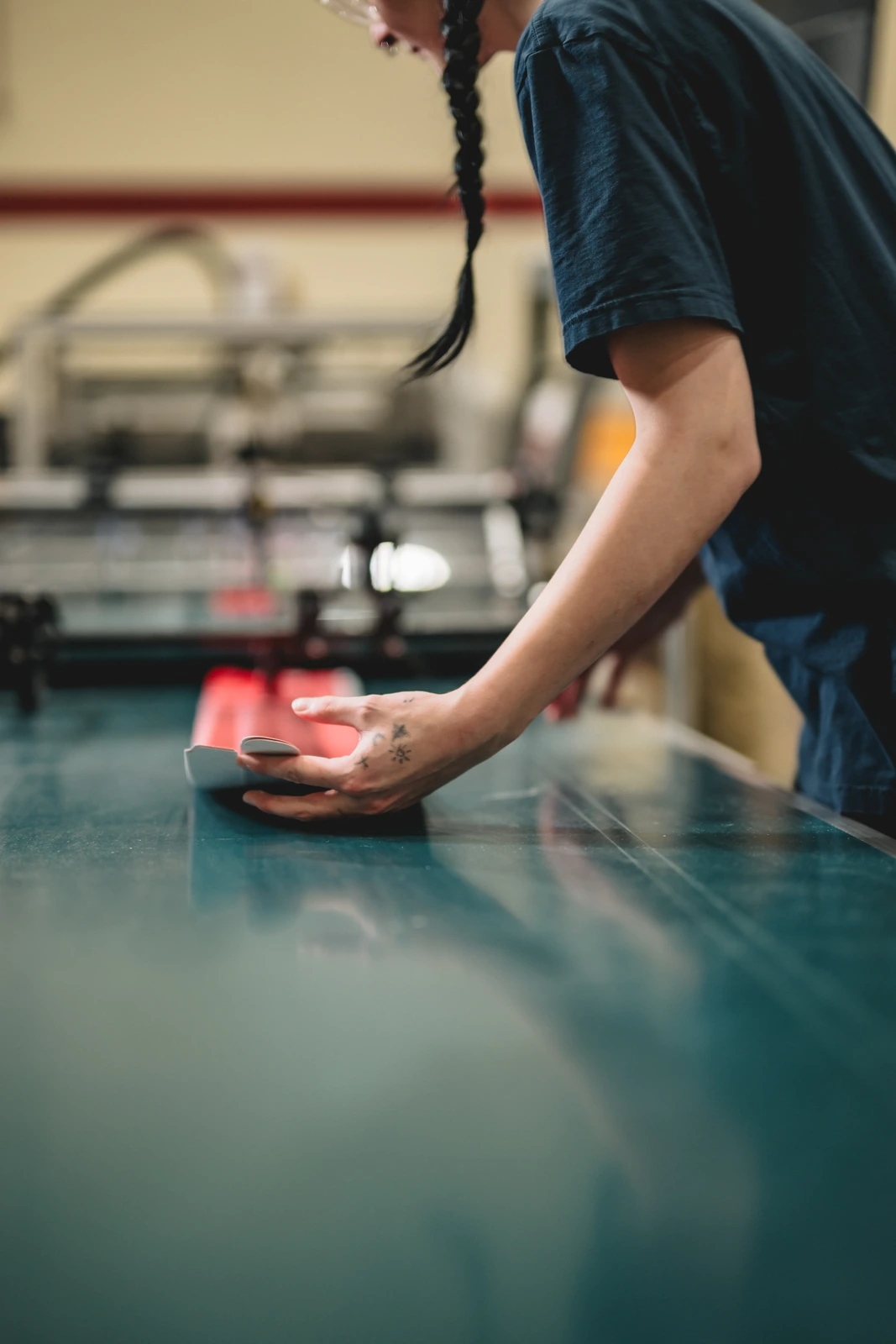
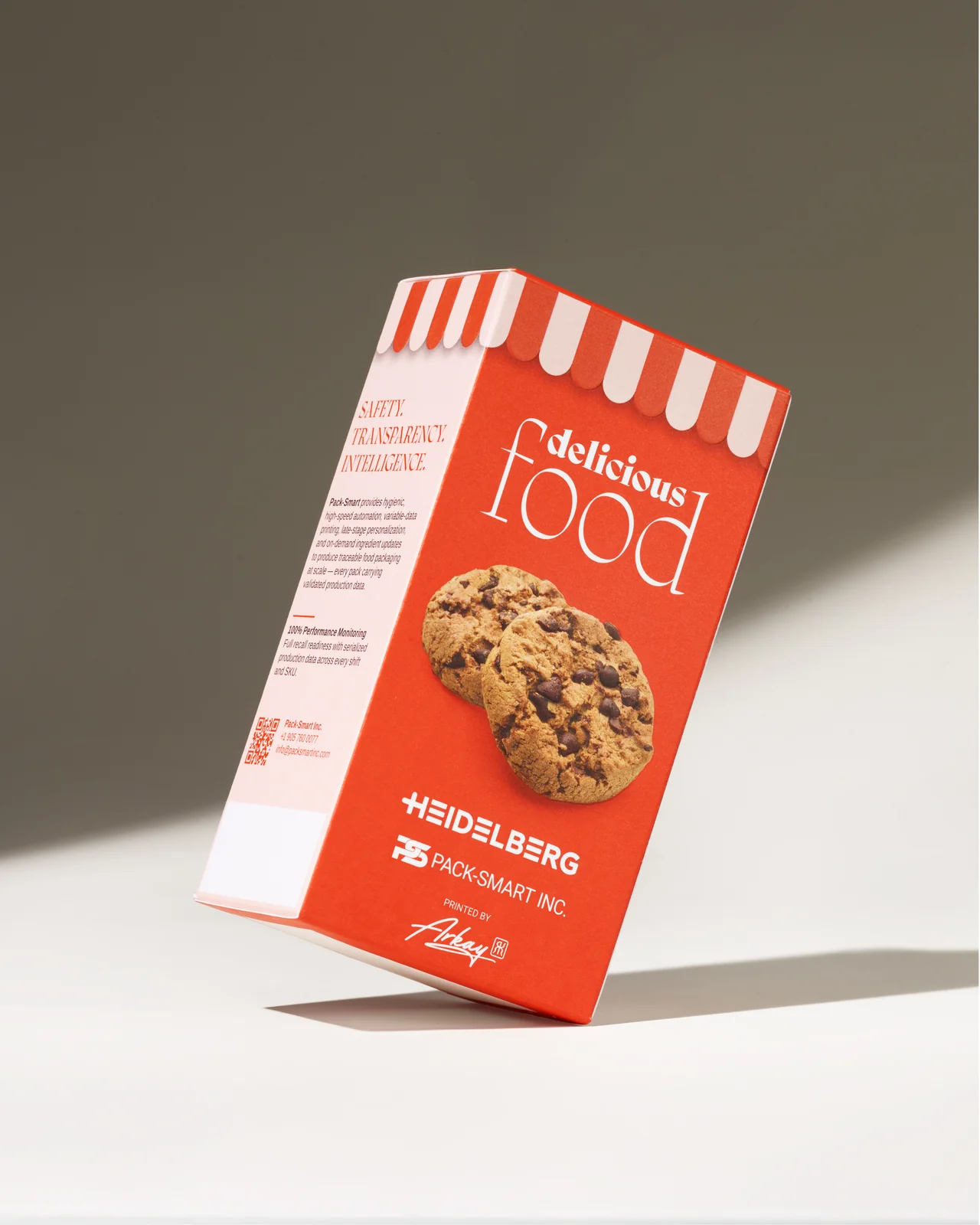
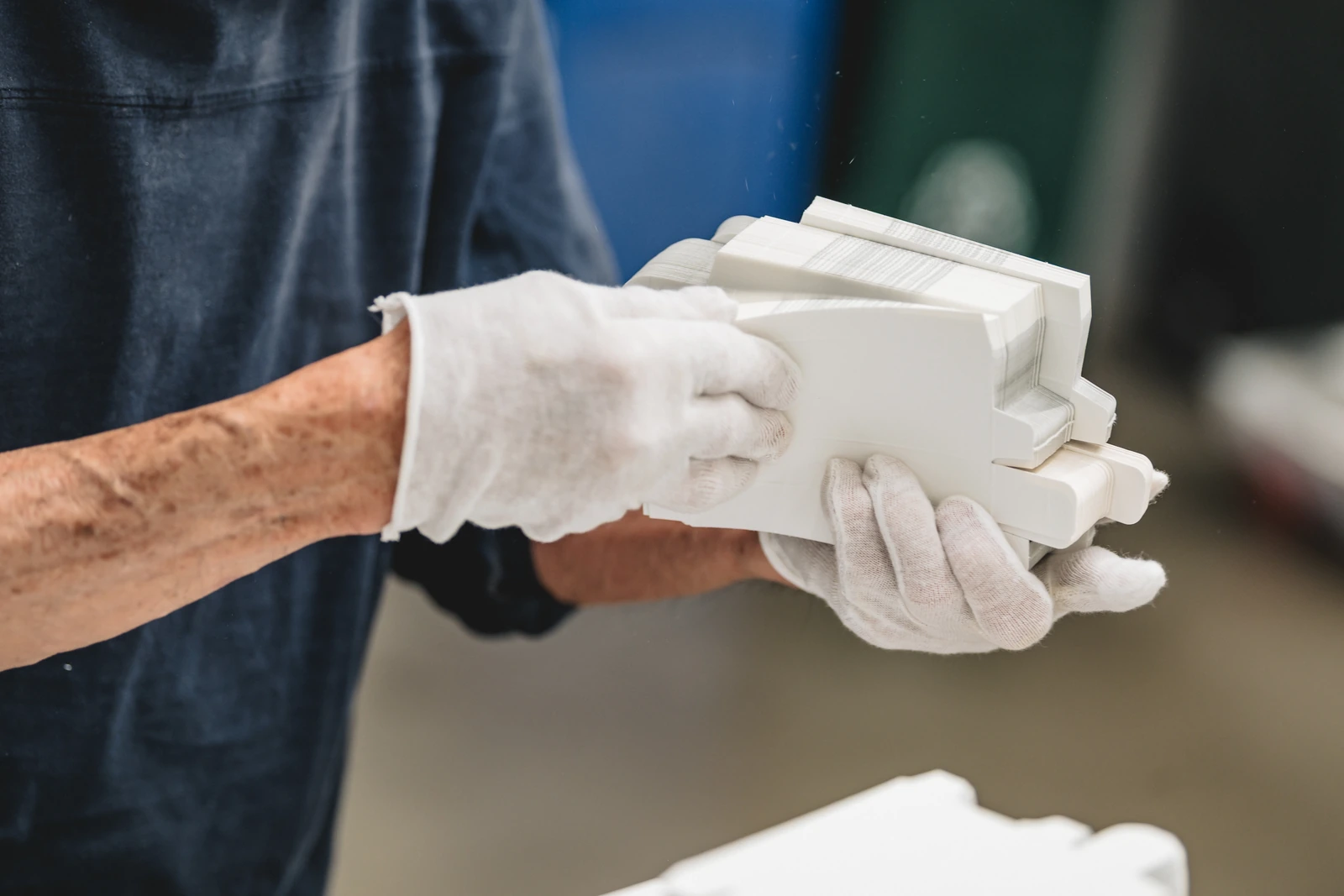
In offset, short-run cost is driven by press setups rather than unit count, so several versions can share one. Arkay runs multi-version carton programs, up to 20 variations from a single setup.
Request a quote

A short run is usually a versioning question rather than a volume one. A shade range, a seasonal edition, a pack for one market: each needs its own carton, and the cost turns on how many press setups that takes. We run multi-version programs on offset, holding G7 color across every version. It suits brands whose line is growing faster than their volumes.
WHY ARKAY

Setups Drive the Cost, Not Units

Most writing about short-run packaging comes from digital printers, so it defines the term the way digital economics work: a small number of units.

On an offset press the dominant cost is the setup, which changes what you should be optimizing.

Arkay is G7 color management certified and holds emboss registration to ±0.3mm on a short run exactly as on a long one, a standard covered in our packaging quality assurance process.

Twenty versions, one program. Paint on Press supports up to 20 variations, so a family of regional, seasonal or shade variants does not become twenty separate jobs each carrying its own setup.

Finishing stays available. Foil, emboss and deboss, and inline flexo specialty coating for pearlescent, gold and silver run on short programs too. Run length does not reduce what the carton can do.

Offset by choice, not by default. We are not a digital print house, which is a deliberate choice in favor of finishing depth and color control. Our work is weighted toward higher-volume and multi-version programs, so a short program is worth scoping when it is the start of one rather than a one-off.

For the decision framework from the brand side, our guide on when short-run packaging is the right call walks through it in full.

Request a quote
Primary versus secondary cosmetic packaging
What Actually Changes Between

Short Run vs. Long Run in Packaging

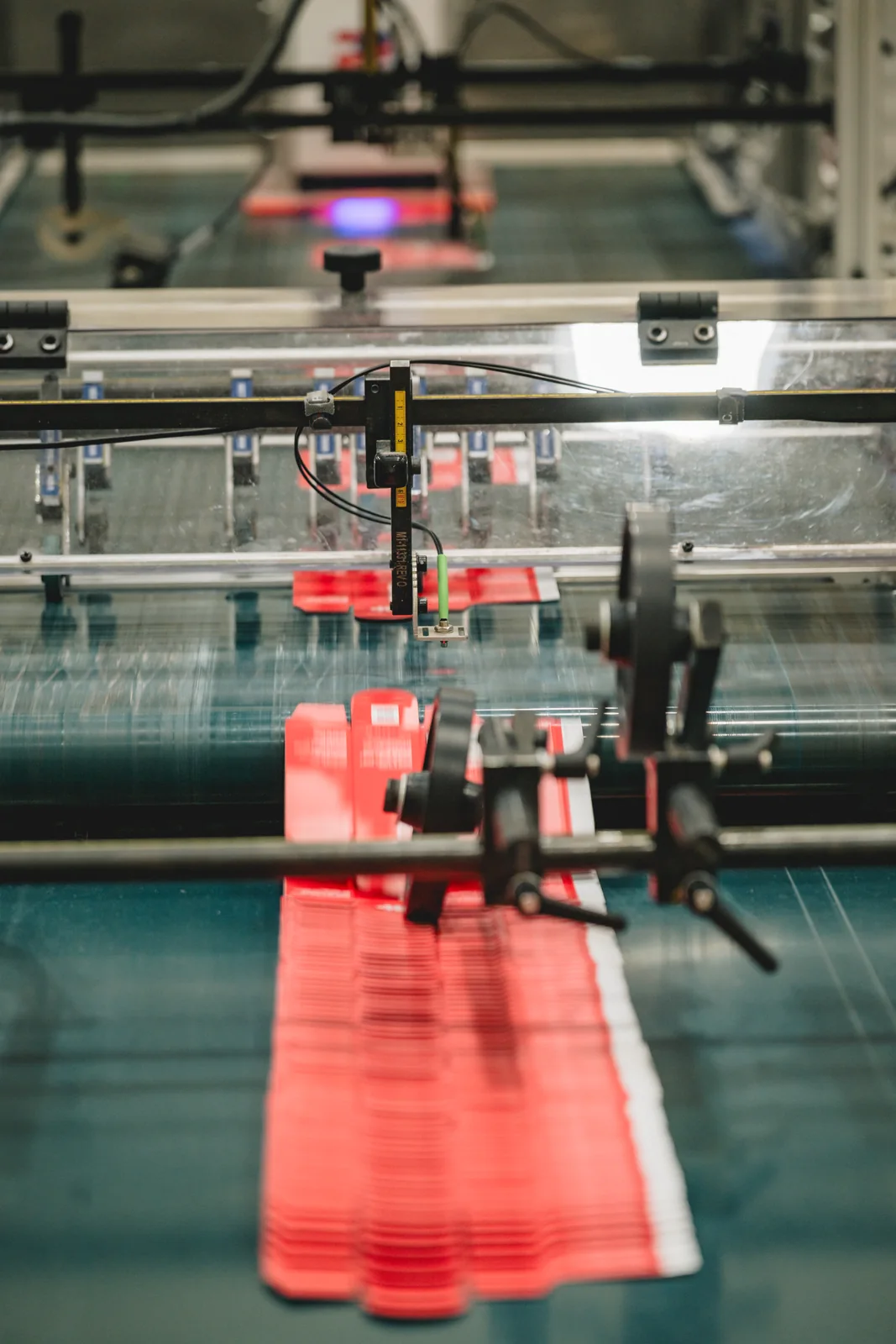
On an offset press the cost sits in plates, makeready, and the press time needed to reach approved color, a sequence covered in our guide to packaging efficiency. So a run is not short or long in absolute units. It is short or long relative to the setup it required.

Offset is likely the right method when a program runs multiple versions at moderate volume each, when finishing matters, and when color has to hold across releases.

It is likely the wrong method for a single version in the low hundreds with no finishing. Digital printers do that work well, which is a capability difference rather than a criticism.

Capabilities

Short Run Folding Cartons, Built Around Versioning

The practical work on a multi-version program is deciding what varies, holding color per variant, and getting a physical sample in hand before committing. All three happen before the press runs, which is why they belong in a structural design conversation rather than a purchasing one.

Versioning with Paint on Press

Paint on Press supports up to 20 variations across regional versions, seasonal and limited editions, and shade, flavor or scent families. Each version carries its own approved color standard, so consistency is held per variant rather than averaged across the set, which is the failure mode when variants are treated as one job with substitutions.

Variations up to 20 · Print: offset, not digital · Coating: inline flexo specialty
Color that holds across every version

G7 color management means color is approved against a documented standard held here, not against the previous delivery. Every run, short or long, first or fiftieth, is measured against the same reference. Ask any supplier what your color is measured against: if the answer is the last job, it will drift regardless of run length.

Certified: G7 color management · Emboss registration ±0.3mm · Mock-up as fast as one week

Have artwork or a concept in hand?
We'll map it to a carton.

Request a Quote →
By Category

Where Versioning Decides the Economics

Short programs come from two places. A growing brand whose volumes are still building, and an established line split across many shades, scents, markets or seasons, where each version needs its own folding carton at moderate volume. In both, versioning rather than unit count decides the economics. Three categories where it comes up, each for a different reason.
Shade families. A foundation range is one product across dozens of cartons, and the set has to read as a family rather than a series of near-misses.
Limited editions and seasonal gifting. The structure holds while the graphics change, and each release is short by definition.
Scent and format variants. A line tends to extend before volume catches up, which is common in brands still building a first retail footprint.
Credentials

What Holds a Short Run to the Same Standard

Credentials matter more on a short program, not less, because the reasonable fear is that a smaller run gets less attention. These make that a procedural question rather than a promise, and they sit inside the wider commitment to quality they are audited against.

FSC · SFI · PEFC
Triple-certified paperboard
CarbonNeutral®
Certified operations, current for 2026
Top 1%
EcoVadis Platinum, globally, held consecutively since 2022
BRCGS
Certified packaging safety
track record

Four Generations, One Product

Arkay has manufactured folding cartons since 1922, across four generations of family ownership, for prestige beauty houses, luxury spirits programs and premium consumer brands. Our 100-year legacy is the short version.
No items found.
Questions

Frequently Asked Questions

What are the key differences between short-run and long-run printing?
The difference is what drives the cost. In a long run, cost spreads across unit throughput, so the more you print the less each carton costs. In a short run on an offset press, the dominant cost is setup: plates, makeready, and the press time it takes to reach approved color. So run length matters less than how many separate setups a program requires. One version at high volume and twelve versions at moderate volume can involve similar total output, but the second program's economics are decided almost entirely by how those twelve setups are handled.
What counts as a short run in premium packaging?
There is no unit threshold that defines it, and a supplier quoting one is describing their own equipment rather than your project. In offset, a run is short relative to the setup it requires. A useful way to think about it: count the distinct versions you need and the finishing each one carries, then ask how many press setups that implies. Arkay evaluates each project on fit rather than against a published minimum, so the practical answer comes from a conversation about the program.
Can I print 20 SKU variations without 20 separate setups?
Yes. Paint on Press, Arkay's proprietary process, supports up to 20 variations. For a brand running regional versions, seasonal variants, flavor or shade families, or limited editions, that is the difference between a program that is economically awkward and one that is straightforward. Each version still carries its own approved color standard, so consistency is held per variant rather than averaged across the family.
Is offset worth it for a short run, or should I use digital?
Sometimes digital is the right answer, and it is worth saying so. If you need a single version in low hundreds with no foil, emboss, or specialty coating, a digital printer will likely serve you faster and more economically on that kind of job. Offset earns its place when finishing matters, when color has to hold across releases and versions, or when the program involves multiple variants. Arkay is not a digital print house, so that first case is not work we run.
When should I involve a folding carton manufacturer in product development?
Earlier than most brands do. The common sequence is to finalize the primary container first, then hand the carton over as a purchasing exercise, at which point it has to accommodate decisions already locked. Involving the carton manufacturer while the structure is still open means the die line, the substrate caliper, and the finishing plan get designed together. Arkay's design studio in Hauppauge, New York produces physical mock-ups in as little as one week from concept, which is early enough to change a decision rather than confirm it.
Get Started

Start With the Program, Not the Quantity

The first question we will ask is how many versions you need, and where the program is heading, because those decide whether offset is the right method at all. Bring the SKU list, the finishing you have in mind, and the markets it ships to. Fit runs both ways: the conversation settles whether the method suits the program, and whether the program suits the press.

Request a Quote →