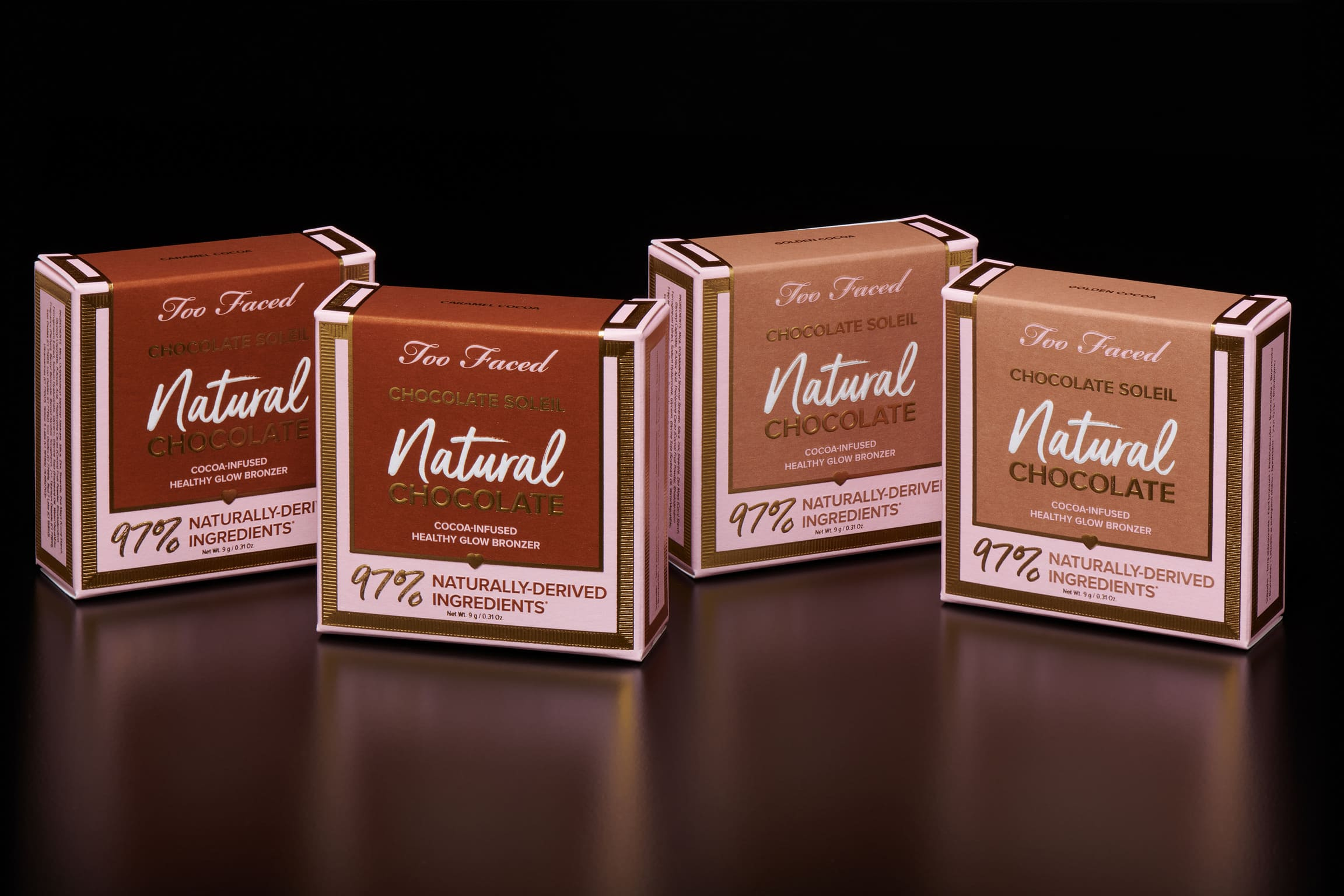
.jpg)

A folding carton is a paperboard box engineered to ship flat and assemble on a packaging line. Lightweight, printable, and recyclable, folding cartons carry products across cosmetics, personal care, spirits, food, lifestyle goods, and technology; wherever packaging needs to protect, display, and sell simultaneously.
The category is straightforward in concept and precise in execution. The right folding carton isn’t just a box — it’s a specification-driven asset that balances structural performance, print quality, and shelf presence. The wrong one can stop a packaging line.
Arkay Packaging is a fourth-generation, family-owned folding carton manufacturer that has operated continuously since 1922. From its carbon-neutral, 140,000 sq. ft. facility in Roanoke, VA, Arkay delivers finish-led packaging for cosmetics, personal care, spirits, and lifestyle brands — combining G7 color management, BRCGS packaging safety certification, proprietary Paint on Press technology, and vertically integrated production under one roof. For brand teams and procurement leads evaluating folding cartons, the fundamentals below are where every conversation starts. See Arkay’s full manufacturing capabilities for a complete picture of what that means in practice.
What Are Folding Cartons?
Folding cartons are formed from flat sheets of paperboard that are printed, die-cut, scored, then folded and glued into their final structure. They ship flat to brand packagers or contract fillers, who erect them at the point of assembly and fill them with product.
The paperboard is the functional foundation. It provides the surface for printing, the structural integrity for stacking and transit, and the substrate for finishing: embossing, foil, coating, and more. Unlike corrugated cardboard, which uses a fluted inner layer for cushioning, folding cartons are made from unfluted paperboard. They’re designed for consumer-facing secondary packaging: the carton that appears on a retail shelf, not the shipping box it arrived in.
Fundamental Carton Elements
Every folding carton shares a common set of structural components, regardless of style or size.
Body panels: The front, back, and two side panels form the outer walls. Panel count and configuration determine the carton’s shape and how it reads on the shelf.
Score lines: Engineered fold lines pressed into the paperboard before cutting. Score placement determines where the carton folds cleanly and how it holds its shape under load. Incorrect scoring is one of the most common root causes of line-stopping defects on high-speed packaging equipment.
Glue flap: The edge panel that gets adhered to create the carton’s side seam. The glue flap must align precisely with its mating panel; any deviation affects both finished appearance and structural integrity.
Top and bottom closure flaps: The panels that close the carton at each end. Their configuration defines the closure style.
Dust flaps: Smaller side flaps at the top and bottom openings that prevent product contact with the glue areas and help seal the carton against dust and moisture ingress.
These elements are constant across folding carton formats. What changes is how they’re configured, which drives the full spectrum of carton styles.
The Standard Folding Carton Styles
Eight structural families cover the majority of premium folding carton production. Closure configuration defines how a carton behaves during assembly and how it secures the product once filled. Style selection is a structural decision before it is a design one; the chosen style needs to match the product’s weight, fill method, and line speed.
Reverse Tuck End Carton (RTE)
In a reverse tuck end carton, the top flap and bottom flap tuck in opposite directions — the top hinges off the back panel and tucks into the front, while the bottom hinges off the front and tucks into the back. The opposing geometry creates a sturdier closure than a straight tuck and nests more efficiently on the press sheet, which means slightly better material yield per blank.
RTE cartons are the workhorse of light-to-medium-weight folding cartons. They run well on both automated and hand-fill lines, store flat, and pop into shape with minimal effort. Common applications include skincare bottles, supplement packets, electronics secondary packaging, and lighter cosmetics SKUs.
Arkay’s POV: Choose RTE when you want lower cost-per-piece, when your product weight is moderate, and when you can live with a visible tuck slit on the rear panel. For beauty hero SKUs where the front face is the brand, the straight tuck below is usually the better call.
Straight Tuck End Carton (STE)
In a straight tuck end carton, both top and bottom flaps tuck in the same direction — front to back, hinging off the rear panel. Visually, the result is a cleaner main panel: no opposing tuck slits, just one dominant front face for the brand to own.
Straight tuck cartons are the default for premium cosmetics, fragrance, and beauty SKUs where the front of the carton is the billboard. They run on automated fill lines, store flat, and accept embossing and foil work cleanly across the primary face.
Arkay’s POV: When a brand director hands us a design with the logo and hero typography centered on the front panel, STE is almost always the right structure. It’s the cleanest shelf face you can get without moving to a two-piece carton.
Auto-Bottom Carton (Crash-Lock / 1-2-3 Bottom)
An auto-bottom carton, also called a crash-lock or 1-2-3 auto-bottom, has a pre-glued bottom that erects automatically when the carton is squared up. The bottom flaps interlock with adhesive applied during conversion, producing a load-bearing base without a separate assembly step at fill.
Auto-bottom cartons excel under weight. Candles, fragrance bottles in heavy glass, supplements in jars, large skincare SKUs, and gift sets all run in auto-bottom structures. The carton ships flat, opens with a single squaring motion, and accepts the product immediately — particularly useful for hand-pack operations where assembly time per unit matters.
Arkay’s POV: Auto-bottom is the structure to specify when product weight risks failing a tuck bottom or when fill-line speed matters more than a 5–10% structural cost differential. We also see auto-bottoms used heavily for spirits packaging and luxury fragrance because the bottom strength holds even when the box is shelf-displayed vertically for months.
Snap-Lock Bottom Carton (1-2-3 Lock)
A snap-lock bottom — sometimes labeled 1-2-3 lock in trade catalogs — is structurally similar to an auto-bottom but without the pre-applied glue. The bottom flaps interlock manually during assembly through a three-step fold sequence. The carton ships flat with no adhesive on the bottom and is hand-locked at fill.
Snap-lock cartons trade off some assembly speed for lower conversion cost. The structure carries weight comparably to an auto-bottom and is well-suited to short-run, hand-pack operations or to brands managing inventory across multiple SKUs where flat-storage flexibility matters.
Arkay’s POV: Snap-lock is a strong call for boutique, founder-led brands running smaller volumes who want structural strength without the auto-bottom converted-cost premium. The trade-off is fill-line time; if you’re running tens of thousands of units a day, auto-bottom usually pays back.
Seal-End Carton
A seal-end carton has four matched flaps — typically two long and two short — glued shut top and bottom on an automated fill-and-seal line. The result is a fully sealed, sift-resistant, tamper-evident package with no exposed tuck slits.
Seal-end cartons are the structural standard for prescription and OTC pharma, powdered supplements, food cartons, and any application where regulatory tamper-evidence or fill containment is required. They cannot be hand-packed in any practical volume — the structure is built for the seal-end cartoner machine that closes them.
Arkay’s POV: Seal-end is a line-driven decision more than a brand decision. If your fill operation runs a seal-end cartoner, the structure is set. The brand work happens in print and finish, not structural variation.
Sleeve
A sleeve is an open-ended tube — a folding carton with no top or bottom closure — that wraps around an inner tray, bottle, or primary container. Sleeves layer over an existing structural carton or pop directly onto a primary unit (like a candle jar or fragrance bottle).
Sleeves are the most economical structural format because they use the least board and require no closure engineering. They’re heavily used for seasonal limited editions, holiday gifting variants, and any scenario where a brand wants to refresh the outer expression without retooling the inner structure.
Arkay’s POV: Sleeves are a smart way to extend a base SKU’s life cycle without re-engineering. A heritage beauty house running a year-round STE carton can layer a holiday sleeve over the same primary unit, photograph cleanly for content, and run the limited edition at a lower converted cost per piece.
Two-Piece Carton (Tray and Lid)
A two-piece carton consists of a separate tray and lid — both die-cut and glued, both double-walled where the inner walls reinforce the outer walls. The lid lifts off (or hinges, in some variants) to reveal the product inside, often with a custom paperboard insert.
Two-piece cartons sit at the premium end of the folding carton structure. They deliver a “reveal” moment for unboxing, photograph well for editorial and DTC content, and accept heavy finishing (embossing, foil, soft-touch) on both lid and tray surfaces. They cost more — two structural pieces, slower fill, more board — but for prestige beauty launches, holiday gift sets, and hero fragrance flankers, the perceived-value premium justifies it.
Arkay’s POV: Two-piece is where folding cartons borrow from rigid setup-box presentation without the rigid-box price. When a launch needs to look and feel like a gift the moment it leaves the bag, a two-piece is the structural answer.
Specialty Styles: Hanger, Counter Display, Six-Corner Tray
Several specialty styles deserve a callout. Hanger cartons extend the rear panel into a die-cut hook hole for retail peg-display use, common in beauty accessories, small electronics, and mass-channel cosmetics. Counter display boxes convert from shipping case to point-of-sale display when opened, useful for impulse-driven, smaller SKUs at retail. Six-corner tray cartons (sometimes called Brightwood trays) reinforce the structural corners for food, beverage, and baked-goods applications where the tray holds shape during display and dispensing.
These styles solve specific merchandising problems. They’re less common in prestige beauty but show up regularly in personal care, food, and spirits, where shelf presentation includes a hanging, counter, or open-tray format.
Which Folding Carton Styles Work Best for Cosmetics
Cosmetics is where structural decisions and brand decisions collide most often. The wrong structure on a beauty SKU isn’t just a fill-line problem — it’s a shelf problem, a hero-image problem, and an unboxing problem. Below is how we map common cosmetics SKUs to recommended structural styles.
- Skincare bottles and cream jars (1–4 oz): Straight tuck end. Clean front face, automated fill compatibility, and easy embossing on the primary panel. Standard 18–22pt SBS depending on finish.
- Mascara, eyeliner, lipstick: Tall, narrow reverse tuck end or straight tuck. RTE is common where unit cost matters; STE is the call when the front panel is part of the brand expression.
- Fragrance flacons (50–100mL+): Straight tuck end for everyday SKUs; two-piece for hero launches and gift formats. Auto-bottom when the flacon is a heavy glass and the carton ships individually.
- Hair care pump bottles: Straight tuck or reverse tuck, with auto-bottom on the heavier pumps. Substrate weight matters here — 22pt+ SBS for shelf-strength on taller cartons.
- Multi-piece holiday and gift sets: Two-piece tray and lid, or auto-bottom with a custom paperboard insert. Heavy finishing — foil, emboss, soft-touch — usually pairs here.
- Color cosmetics palettes: Two-piece with magnetic-style closure if applicable, or a deep auto-bottom with insert. The carton becomes part of the product experience, not just the package.
“Our products are very, very beautiful, and the most important thing to us is that beauty is captured. And Arkay is extraordinary when it comes to creating beautiful boxes.” That’s how Laura Slatkin, founder of NEST New York, described the partnership on the Innovation with Dennis Quaid program. The structural call, STE, two-piece, auto-bottom, is the first decision that decides whether the beauty gets captured or muted. The finish call comes after.
Cosmetics is Arkay’s strongest vertical. We engineer folding carton structures for heritage beauty houses and emerging founder-led brands across skincare, color, fragrance, and hair care. See our cosmetics packaging page for vertical-specific capability, and the value of luxury cosmetics packaging for the strategic case behind premium beauty packaging investment.
For adjacent verticals, the same structural logic applies; see our personal care packaging capability for skincare-adjacent wellness SKUs.
How Custom Folding Carton Structures Get Designed
When the standard taxonomy doesn’t fit — when a product needs an unusual ratio, a structural opening, an integrated insert, or a closure no off-the-shelf style covers — custom structural design is the answer. Most templated suppliers can’t get there. The ones who can typically run a dedicated structural design studio.
Arkay’s structural design studio is in Hauppauge, New York. A brand team can walk in with a concept and walk out with a physical or printed digital mock-up ready for production the following week. The studio engineers custom folding carton structures from the dieline up, working alongside brand teams, designers, and product development leads — not replacing them. Many brands aren’t aware that this capability exists; for founder-led teams without an in-house structural designer, it can be the difference between launching on time and re-spec’ing under deadline.
Custom structural work covers:
- Non-standard ratios and proportions: Tall narrow cartons for slim primaries, wide flat cartons for palette formats, custom depth for unusual fill geometries.
- Integrated paperboard inserts: Custom-cut paperboard nests and dividers that hold primary products in place during transit and present them at unboxing.
- Custom closures and openings: Hinge mechanisms, magnetic-style closures, custom tear-strips, and integrated dust flaps for protection.
- Structural cutouts and windows: Product visibility windows die-cut into the front or top panel, engineered so they don’t compromise structural integrity.
- Hybrid structures: Combining elements of two or more standard styles (e.g., a two-piece tray with an auto-bottom sleeve overlay).
The substrate decision travels with the structural decision. For premium cosmetics work, Arkay standardizes on SBS paperboard in the 14–28pt caliper range, with 18pt and above as the working minimum for embossing and structural premium work. Substrate sourcing is FSC, SFI, and PEFC certified across Arkay’s paperboard supply. See premium packaging and sustainable forest supply chains for the broader framing.
The Importance of Quality Design
The carton is the first physical experience a consumer has with a brand. Before the product is seen, the packaging is felt, held, and read. That moment carries commercial weight.
At Arkay, the operating premise is simple: a brand’s packaging is its first physical handshake with a consumer — and there’s no second chance at it. Every carton, every run, and every finishing decision gets measured against how it performs in that moment.
Quality in folding carton design isn’t ornamental — it’s functional. A well-engineered score line ensures the carton opens cleanly at the point of sale. Consistent color management ensures the product reads the same across every SKU and every market. A correctly specified structure ensures the carton holds from the fill line to the retail shelf. Each element compounds. When they’re wrong, the consequences show up on the line — or worse, on the shelf.
Primary Design Considerations
Before specifying a folding carton, brand teams typically need to resolve a core set of decisions:
Substrate: Which paperboard stock, what caliper, and what surface characteristics? For premium consumer goods, SBS (Solid Bleached Sulfate) is the category standard. Its bright white surface and consistent caliper deliver the print quality that cosmetics, personal care, and spirits packaging demand.
Structural style: Which closure type matches the product weight, fill method, and line speed? An incorrectly specified style costs more to fix after tooling is cut than before it is.
Print surface quality: The printing surface affects everything downstream. SBS provides an optimal base for high-precision offset printing, specialty coatings, and precise foil and emboss register. The substrate choice either enables or forecloses finishing options.
Dimensions and tolerances: Carton dimensions must match the product’s fill volume and the packager’s line configuration. Dimensions that are off-specification, even marginally, cause line stoppages and rework.
These four considerations interact. Changing the substrate may change which finishes are viable. Changing the closure style may affect the carton’s net weight and cost. Experienced folding carton manufacturers resolve these interdependencies before tooling begins — not after.
Other Design Considerations
Beyond structure and material, brand teams increasingly bring additional requirements to the specification process.
Sustainability: Certified paperboard is now a baseline expectation for many major consumer brands and retailers. FSC, SFI, and PEFC certification credentials for the substrate supply chain document responsible sourcing. Arkay sources exclusively from triple-certified supply chains and maintains carbon-neutral manufacturing operations, EcoVadis Platinum recognition (top 1% of manufacturers globally, held consecutively since 2022), and BRCGS packaging safety certification. For further context, see Arkay’s work on greenhouse emissions and end-of-life recycling in packaging.
Recyclability: Recyclability is substrate-driven. FSC- and SFI-certified SBS board provides a strong recyclability foundation; finish compatibility is assessed against the underlying substrate per project. Arkay’s sustainability spec sheets, covering substrate certification and finish composition, are available on request for projects requiring documentation.
Specialty finishes: Embossing, foil stamping, inline pearlescent coatings, and proprietary processes like Paint on Press differentiate on-shelf and support premium price points. These are not cosmetic additions; they require substrate compatibility planning and specific press-side execution capability.
Communicating Carton Dimensions
Folding carton dimensions follow a standard convention: Length × Width × Depth (L × W × D), measured as inside dimensions. Inside dimensions determine whether the product fits correctly; outside dimensions matter for shelf space and shipping configuration.
Caliper (point thickness) is specified in pt. Arkay’s SBS runs 14–28pt — 28pt is the press ceiling, and caliper selection affects structural performance, print quality, emboss capability, and cost. Higher-caliper boards resist denting and hold emboss detail more precisely; they also require adjusted press settings and increase material cost.
When communicating dimensions to a manufacturing partner, include:
- Inside dimensions (L × W × D)
- Caliper specification (pt)
- Fill method (manual, semi-automatic, high-speed line)
- Product weight (drives base closure requirements)
- Required closure style
Incomplete dimension specifications are one of the most consistent sources of delays and added cost in folding carton production. Complete specifications before tooling protects the timeline. After tooling is cut, corrections cost significantly more.
Materials and Substrate Selection
Folding carton performance starts with the board. For premium consumer packaging, SBS is the category standard — a virgin fiber board with a uniformly white surface, consistent caliper across the sheet, and a smooth coating that supports high-resolution printing and tight register on foil and emboss work.
Paperboard is an organic material — moisture content, storage conditions, and elapsed time after manufacture all affect how it behaves on line. A board spec that ran cleanly in Q1 may present opening-force problems in Q3 if storage conditions drifted. Understanding substrate behavior as a living variable — not just a static spec — separates an experienced manufacturing partner from a commodity print shop.
Arkay’s SBS substrate is sourced from FSC, SFI, and PEFC triple-certified supply chains, available in 14–28pt calipers. It’s the foundation beneath every finish-led carton Arkay produces for cosmetics, spirits, personal care, and lifestyle brands.
Custom Finishes That Elevate Folding Carton Packaging
The structural carton is the canvas. Finishing is where a package becomes a brand experience.
Embossing and debossing: Pressing a 3D motif into the carton surface, raising or recessing the design into the board. Arkay holds embossing registration tolerance to ±0.3mm. Effective embossing requires an SBS caliper of 18pt or above for a clean impression without tear-through.
Foil stamping: Applying a metallic film under heat and pressure. Cold foil integrates inline during printing for production efficiency; hot stamping runs as a secondary operation for maximum depth and edge definition.
Inline flexo coating: Arkay operates two double flexo coaters connected directly to the main press, adding pearlescent, gold, and silver coating effects inline. This eliminates a separate finishing pass without compromising the effect quality.
Paint on Press: Arkay’s proprietary process, developed under the late Chairman Emeritus Howard Kaneff, runs up to 20 color variations on a single press pass. It replaces traditional specialty paper-and-foil stocks with an inline effect, eliminating sourcing complexity and reducing production cycle time. Read more about what Paint on Press delivers for premium packaging design.
Arkay approaches custom finishing as applied art, not commodity production. When artwork arrives at the Design Studio in Hauppauge, NY, a dedicated team of designers and structural engineers translates the 2D concept into a precise production spec — determining how foil registers to emboss, how a pearlescent effect behaves against a matte flood, and how finish layers interact across the substrate. The carton the consumer lifts off the shelf isn’t just printed; it’s engineered.
Finishing decisions interact with substrate, closure style, print process, and budget. An experienced manufacturing partner works through those interactions before production begins. For structural complexity beyond standard styles, see the custom structures section above.
Start A Conversation With Us
The standard folding carton taxonomy isn’t a menu; it’s a decision tree. The right style is the one that answers the questions: product weight, fill line, retail presentation, and brand promise. Once those are right, the structural call falls out cleanly, and the finishing work has somewhere to live.
At Arkay, we engineer folding carton structures for global beauty brands, leading consumer brands, and emerging founder-led teams across cosmetics, personal care, spirits, food, and lifestyle. Every project starts with the brief, not the catalog. Whether the answer is a reverse tuck on a 20pt SBS at high volume or a custom two-piece with an integrated insert engineered in our Hauppauge studio, the structure is built around the product and the brand.
Reach out to Arkay’s team here. We’ve been producing folding cartons since 1922, and every conversation starts with the project, not a volume threshold. Learn more about what domestic folding carton manufacturing looks like at Arkay.
Frequently Asked Questions
What are the main types of folding cartons?
The most common folding carton types are tuck-end cartons (reverse tuck and straight tuck), auto-bottom cartons (also called crash-lock or 1-2-3 bottom), seal-end cartons, sleeves, and two-piece tray-and-lid cartons. Each style closes and assembles differently and is selected based on product weight, fill-line type, and shelf presentation.
Which folding carton styles work best for cosmetics?
Reverse tuck-end and straight tuck-end cartons dominate cosmetics packaging because they give a clean, billboard-style front face for branding and run efficiently on automated fill lines. Heavier launches, holiday gift sets, and fragrance hero SKUs often shift to auto-bottom or two-piece styles for added structure and unboxing presentation.
Can a packaging manufacturer design custom folding carton structures?
Yes. A premium folding carton manufacturer engineers custom structural styles from the dieline up, typically inside a dedicated structural design studio. Arkay’s design studio in Hauppauge, New York, engineers custom folding carton structures with brand teams and delivers a physical or printed digital mock-up ready for production the following week.
What is the difference between a straight tuck and a reverse tuck carton?
In a straight tuck carton, both end flaps tuck in the same direction, usually front to back. In a reverse tuck, the top flap tucks in one direction and the bottom tucks in the other. Straight tucks deliver a cleaner primary face for premium branding; reverse tucks nest more efficiently on the press sheet, lowering cost per piece.
When should I use an auto-bottom folding carton?
Use an auto-bottom carton when the product is heavier or when the fill operation is hand-packed and benefits from a self-erecting bottom. Candles, fragrance bottles in glass, supplements, and large skincare SKUs commonly run in auto-bottom styles. The pre-glued bottom snaps into place when the carton is squared, eliminating manual assembly steps at fill.
What are seal-end folding cartons used for?
Seal-end cartons have four matched flaps glued top and bottom, creating a sift-resistant, tamper-evident package. They run on automated fill-and-seal lines and are common for powdered products, OTC and prescription pharma, supplements, food cartons, and any application where fill containment or security matters.