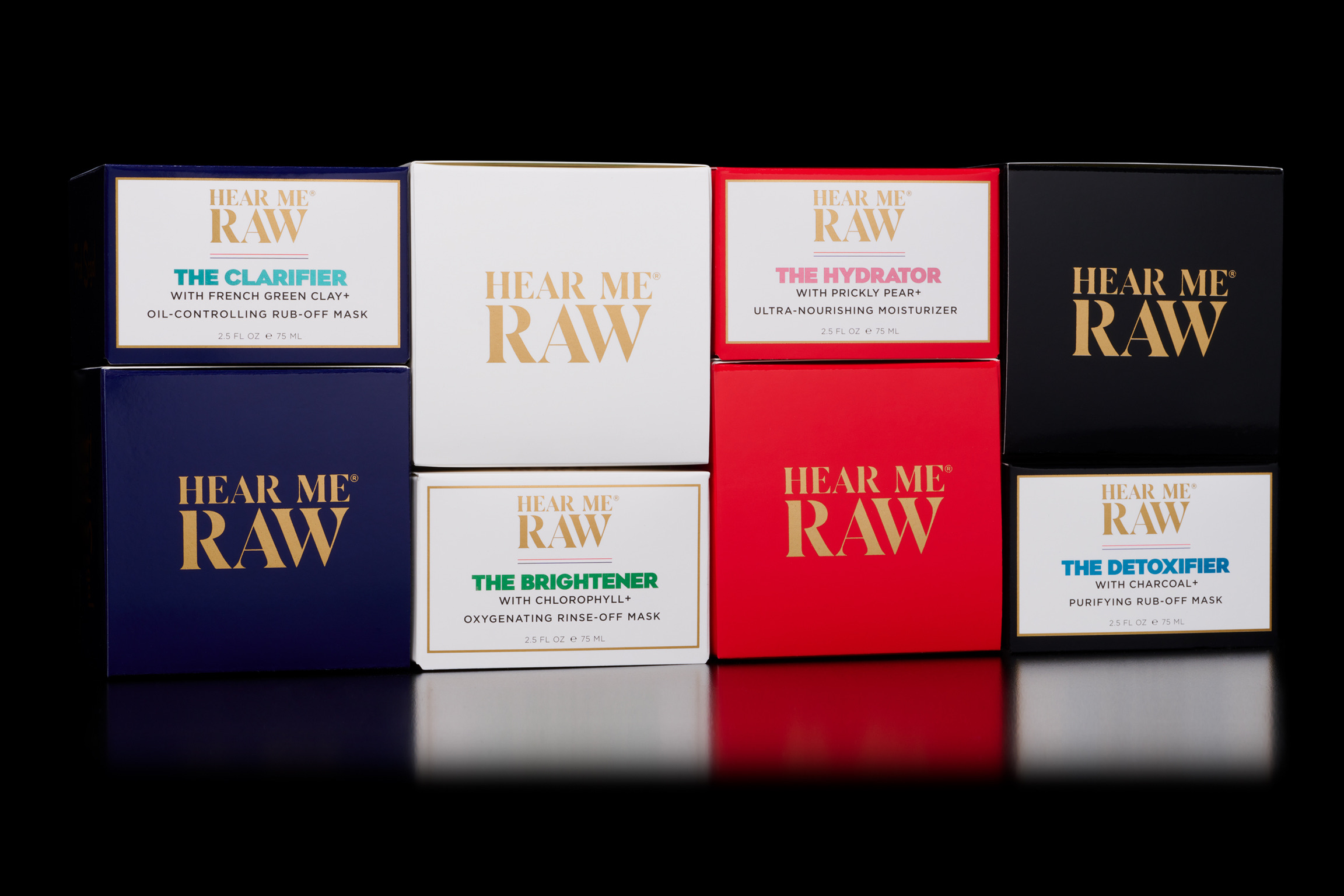
The benefits of custom packaging compound. A folding carton specified to a brand’s product, channel, and identity doesn’t just look better than off-the-shelf — it runs faster on a fill line, holds color tighter across a long production run, signals premium positioning before a customer reads a word, and lands a stronger ESG audit. The unit price is higher. The total cost is usually lower.
Search results for “custom packaging” lead with self-service printed boxes for small-business ecommerce. That’s a different conversation than the one a brand director at a heritage beauty house, a founder shipping a $40 nutraceutical, or a procurement lead managing a spirits launch is having. This guide walks through the eight benefits premium brands consistently cite when they move from a stock catalog to a custom-spec folding carton — and the operational reasons each benefit holds at production scale.
Arkay Packaging is a fourth-generation, family-owned premium folding carton manufacturer that has produced custom packaging continuously since 1922. Every example below is written from inside the press room.
What Is Custom Packaging?
Custom packaging is packaging engineered to a brand’s exact specifications rather than chosen from a stock catalog. In folding carton terms, that means a unique dieline, a chosen paperboard substrate and caliper, a specified print build, and a defined finishing path — foil, emboss, coatings, specialty inks — all calibrated for a single product or product family.
The dominant format in premium consumer packaging is the folding carton: a paperboard box, printed and converted flat, then folded and glued into its final structure. Folding cartons run on high-speed fill lines, ship flat, and accept finishing techniques without the structural penalty of heavier formats. For category context, Arkay’s premium packaging guide goes deeper.
Stock packaging is the standard, off-the-shelf option — predefined sizes, materials, and print options. It is fast and inexpensive, and it ties the brand’s product to choices someone else already made. Custom cartons engineer every variable around the product itself: dieline, substrate, print, and finish built to a specific brief rather than adapted from a generic SKU.
Every custom packaging project comes down to four levers a brand sets together with its manufacturer: structure (the dieline and physical performance), substrate (the paperboard grade and caliper), print and finish (color management plus foil, emboss, coatings), and partner (the manufacturer’s in-house capabilities, certifications, and operational fit).
8 Benefits Of Custom Packaging For Premium Brands
Custom packaging is operational and strategic at the same time. The eight benefits below explain why premium consumer brands consistently move from stock catalogs to custom-spec folding cartons — and what each benefit looks like in production terms.
1. Brand Identity That Reads On Shelf
A custom folding carton carries brand identity before a customer ever opens the product. Structural choices, color matching, foil placement, and emboss profile build a coherent visual story that off-the-shelf packaging cannot replicate. Independent research confirms the leverage point: 72% of Americans say packaging design influences their purchase decisions (UPrinting, 2025). Stock packaging gives the brand whatever choices the catalog already made. Custom packaging makes the brand visible in every choice.
2. Customer Experience That Earns Sharing
The first moment a customer opens a product is one of the strongest signals a brand can engineer. A custom carton that opens cleanly, holds the product securely, and reveals a deliberate visual story turns a routine unboxing into a moment worth sharing — 42% of shoppers report they are more likely to share a product on social media when it arrives in premium packaging (UPrinting, 2025). Stock packaging produces a transactional reveal. Custom packaging produces an experience.
3. Brand Loyalty Through Repeat Recognition
Loyalty accumulates through consistency. When a brand’s packaging looks identical across every order, every season, and every line extension, customers start trusting what they’ll receive before they receive it. That trust is the foundation of repeat purchase. Custom packaging, specified once and produced against G7-managed color and ±0.3mm embossing registration, holds that consistency across a long run. Generic stock supply — sourced and adjusted by whoever has it on the shelf this quarter — cannot.
4. Color And Finish Precision That Holds Across A Run
Color is the most common failure point on premium cartons, and finish is where the carton transitions from container to brand asset. G7-managed color produces calibrated, repeatable results across the press — not ad-hoc matching that drifts between runs. Hot and cold foil stamping, holographic finishes, embossing and debossing, soft-touch laminates, and spot UV each communicate premium positioning before a customer reads a single word. Custom packaging delivers both as a specification.
5. Structural Performance Engineered To The Product
Dieline, caliper, and closure geometry determine whether a carton survives a fill line, ships intact, and opens the way the brand wants. Custom packaging engineers these decisions around the product instead of forcing the product to fit a generic SKU. The result: fewer damaged units, faster line throughput, and the unboxing experience the brand actually designed rather than the one the catalog allowed.
6. Sustainability Credentials Built Into The Spec
For brands operating under retailer ESG mandates, sustainability is no longer a separate workstream — it’s a specification line. Custom packaging allows substrate selection against FSC, SFI, and PEFC chain-of-custody, manufacturing on CarbonNeutral® operations, and packaging produced under BRCGS safety credentials. Off-the-shelf cartons rarely come with those certifications attached. Arkay’s sustainable packaging solutions walks through the specific substrate, ink, and waste-reduction options, and the broader program lives on the sustainability page.
7. Multi-Variant Flexibility Without Separate Make-Readies
A brand launching multiple SKU variants — flavors, scents, seasonal editions, limited drops — would traditionally need separate press setups for each. Arkay’s proprietary Paint on Press technology produces up to 20 substrate and finish variations on a single press setup, compressing production time and cost for multi-variant lines without sacrificing finish quality.
8. Lower Total Cost Despite Higher Unit Cost
Custom packaging often quotes higher unit cost than stock. The total cost story is different. Custom specifications reduce reprint rates (color holds, registration tight), reduce return spikes (structure protects the product), compress launch timelines (domestic supply chain over offshore), and protect intellectual property (artwork stays out of third-party offshore facilities). The unit-price comparison misses where most of the actual spend lands.
What Brands Should Consider When Designing Custom Packaging
The benefits above come from four specification decisions every custom project makes. The order below reflects how decisions actually land in the press room and produces the fewest expensive rework cycles. The luxury packaging buying guide covers procurement specifics in more depth.
1. Structure And Dieline Fit
Structure comes first. Common decisions include carton style (straight-tuck, reverse-tuck, seal-end, sleeve, rigid-look folding carton), closure mechanism, internal fitments, and tolerances for high-speed conversion. At Arkay, structural work happens in the Hauppauge design studio — customers bring an idea and leave with a physical or printed digital mock-up ready for production the following week.
2. Substrate Selection
Arkay prints exclusively on SBS — solid bleached sulfate — with caliper choices from 14pt up to a 28pt ceiling. For embossing or heavy foil specifications, 18pt is the practical minimum. Substrate also defines a meaningful portion of the carton’s environmental footprint — chain-of-custody certifications (FSC, SFI, PEFC) carry weight in retailer ESG audits. See premium packaging and sustainable forest supply chains.
3. Print And Finish Specifications
Specifications include color management (G7-calibrated versus ad-hoc), foil (cold foil, hot foil stamping, holographic), embossing and debossing profile, registration tolerance, and coatings (soft-touch, matte, gloss, spot UV). These decisions determine whether the carton looks identical across a long run.
4. Sustainability Credentials
Credible sustainability is specific: FSC, SFI, and PEFC paperboard chain-of-custody; CarbonNeutral® certified operations; EcoVadis recognition; BRCGS packaging safety. Arkay has held EcoVadis Platinum, the top 1% globally consecutively since 2022.
How Brands Design Custom Cartons For Products
The design process moves through five steps: brief and product fit, dieline engineering, substrate and print specification, physical mock-up, and press approval. The brand brings the product, identity, and constraints — channel, timeline, sustainability targets, fill-line specs. The manufacturer brings structural engineering, substrate expertise, color and finish capability, and the equipment to validate before press. Every step catches misalignment between design intent and manufacturing reality. A carton designed without manufacturing input is the carton that looks fine on a hand sample and fails on the first production run. The deeper packaging production process walks through what happens from approved mock-up to delivery; category examples live in Arkay’s cosmetics packaging and spirits packaging work.
Who Are The Best Custom Packaging Manufacturers For Premium Brands?
The right partner depends on the brand’s product mix, volume profile, sustainability targets, and channel. The pattern below reflects what premium brand teams look for when they move from a commodity vendor to a partner-grade folding carton manufacturer.
1. Vertical Integration Under One Roof
Custom packaging quality compounds when prepress, printing, finishing, and converting happen in the same facility. Every handoff between facilities is a place where color, structure, or schedule can drift. Arkay’s 140,000 sq. ft. facility in Roanoke, Virginia operates this way by design — see the capabilities page.
2. Color Management And Finishing Capabilities
G7 color management signals a calibrated, repeatable process — not ad-hoc matching. Finishing capability (cold foil, hot foil stamping, embossing, debossing, specialty coatings) should be in-house. Every subcontracted step adds registration drift risk between sample and production.
3. Sustainability Credentials That Hold Up
Look for FSC, SFI, and PEFC paperboard chain-of-custody, CarbonNeutral® certification, BRCGS packaging safety, and EcoVadis recognition held consecutively over multiple years — not single-year, not adjacent-category, not retired.
4. Domestic Operations And Supply Chain Reliability
Domestic manufacturing compresses lead times, protects intellectual property, and keeps brand and procurement teams on the same time zone as the press room. Arkay’s full case is on proudly made in America.
The Arkay Approach To Custom Folding Cartons
Every project Arkay produces is custom. There is no stock catalog — only folding cartons engineered to a brand’s specification. Operationally, that means paperboard sourced through FSC, SFI, and PEFC chain-of-custody; SBS substrate from 14pt to a 28pt ceiling; G7-managed color across the press; embossing registration held to ±0.3mm; finishing produced in-house, not subcontracted; and proprietary Paint on Press technology producing up to 20 variations on a single setup. The partnership model is where the four-generation continuity comes through — account ownership survives leadership transitions, and brand teams work with the same people across multiple launches. For brands earlier in the process, the Hauppauge design studio compresses concept-to-production: customers can bring an idea and leave with a physical or printed digital mock-up ready for production the following week.
Start A Custom Packaging Conversation With Arkay
Custom packaging is a strategic decision. The specifications matter. The manufacturer matters more. If a brand team is scoping a custom folding carton project — first launch, line extension, sustainability redesign, or domestic reshoring — Arkay’s team is ready to talk through the brief. Start a conversation with our team.
Frequently Asked Questions
What are the benefits of custom packaging?
Custom packaging delivers eight core benefits for premium brands: brand identity that reads on shelf, customer experience that earns sharing, brand loyalty through repeat recognition, color and finish precision held across a run (G7-managed, ±0.3mm embossing), structural performance engineered to the product, sustainability credentials built into the spec (FSC/SFI/PEFC/EcoVadis), multi-variant flexibility from technologies like Paint on Press, and lower total cost across the launch cycle despite higher unit cost.
What is custom packaging and why do brands use it?
Custom packaging is packaging engineered to a brand’s exact specifications — structure, substrate, print, and finish — rather than chosen from a stock catalog. Brands use it to control how the product performs on a fill line, how it shows up at retail, and how it meets sustainability or regulatory commitments that off-the-shelf packaging cannot.
What should brands consider when designing custom packaging?
Four decisions drive every custom project: structure (dieline and physical performance), substrate (paperboard grade and caliper), print and finish (color management, foil, emboss, coatings), and manufacturing fit (in-house capability, certifications, supply chain). The strongest projects align all four against the product, channel, and ESG targets.
Does Arkay manufacture custom folding carton packaging?
Yes. Arkay is a fourth-generation, family-owned premium folding carton manufacturer founded in 1922. Every project Arkay produces is custom — engineered to a brand’s specification in a 140,000 sq. ft. carbon-neutral facility in Roanoke, Virginia, with a design studio in Hauppauge, New York.
What are custom cartons in packaging?
Custom cartons are folding cartons engineered to a brand’s specific dieline, substrate, print build, and finishing path rather than purchased from a standard SKU catalog. They are the dominant secondary packaging format for cosmetics, personal care, spirits, food, nutraceuticals, and lifestyle goods because they ship flat, run on high-speed fill lines, and accept premium finishing techniques.
How do brands design custom cartons for products?
Brands partner with a manufacturer’s structural and graphic design teams to translate a 2D concept into a production-ready package. The process moves from product fit and dieline engineering, to substrate selection, to print and finish specification, to a physical mock-up tested against fill lines and retail conditions before going to press.
Which manufacturers produce custom folding cartons?
Premium custom folding cartons are produced by specialized domestic manufacturers that run paperboard converting, color management, and finishing under one roof. The most credible partners hold G7 color certification, recognized sustainability credentials (EcoVadis Platinum, FSC, SFI, PEFC), and operate in-house structural design and prototyping rather than brokering work out.