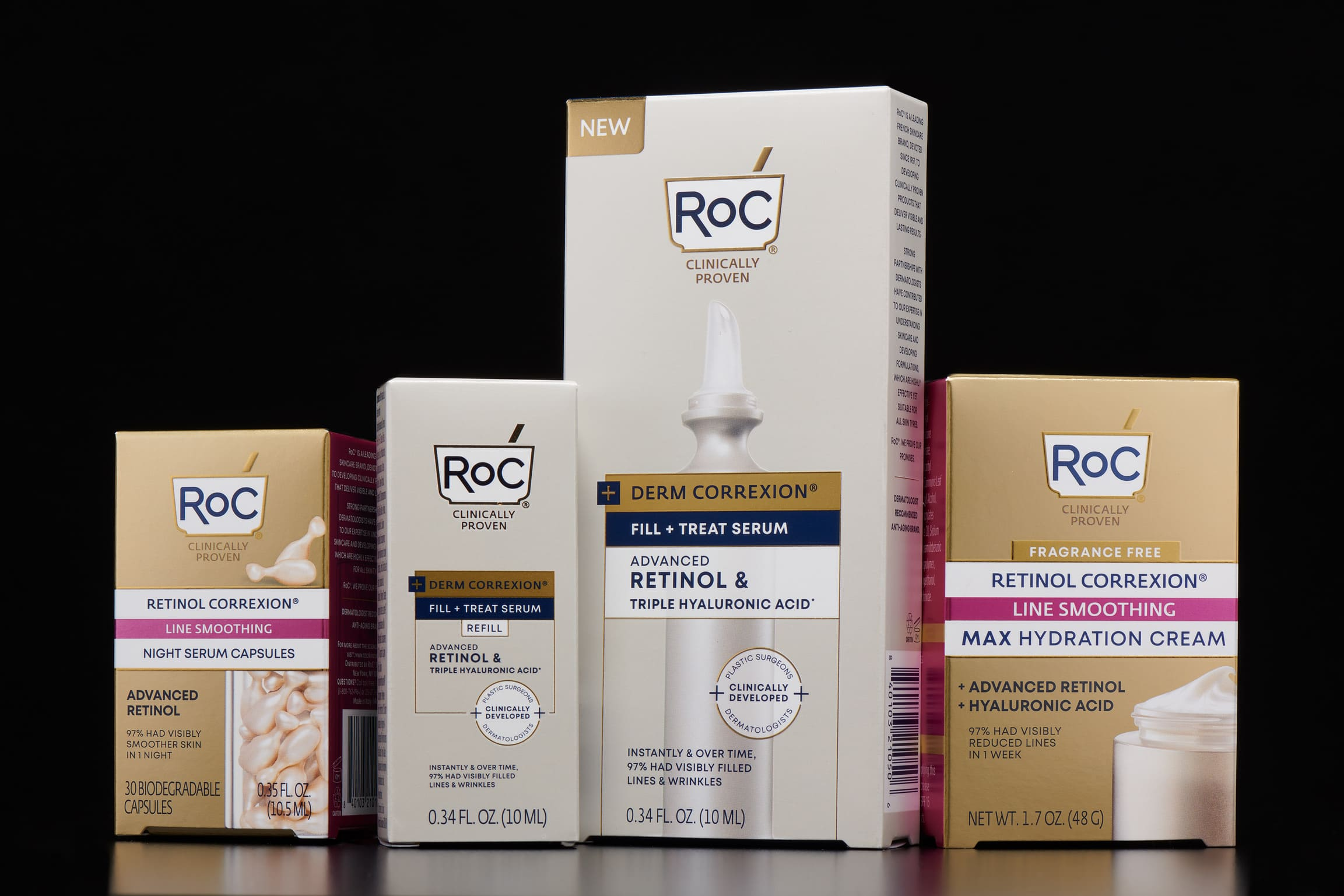

A consumer picks up a box. Before they read the product name, before they see the ingredients, before they register the price, they feel something. The weight of the board. The resistance of a precise score line. The cool, slightly textured surface under their fingertips. That tactile moment is already doing brand work.
Luxury product packaging is not a decorative layer. It is a signal system: a set of physical cues that communicate brand positioning, quality, and intention before any word is read. Brands that treat it as an afterthought are making a strategic error. Brands that get it right have a physical asset that works at the shelf, in photography, and on camera.
With more than 100 years of folding carton manufacturing across four generations, Arkay Packaging has helped brands across cosmetics, spirits, and lifestyle categories engineer that signal into every carton. What follows is the business case and the strategic framework: what luxury packaging actually is, why it matters, and how to build it.
What Is Luxury Product Packaging?
Luxury product packaging is packaging designed to communicate premium brand positioning through material quality, tactile experience, structural refinement, and finish craftsmanship, beyond functional requirements alone. It signals value and brand identity before the product inside is seen or used.
The category is often confused with two adjacent terms. “Premium packaging” is a broader quality tier, covering packaging that exceeds commodity standards in materials and execution. “Luxury packaging” is a narrower designation within that tier: it implies exclusivity, aspiration, and brand heritage. Not all premium packaging is luxury packaging. Luxury packaging is always premium.
High end packaging also does not require a rigid box or a special-format container. A folding carton executed at the right material weight, with the right finish combination, and built to tight structural tolerances is luxury packaging. The format is less important than the execution.
The market reflects this. The global luxury packaging market was valued at $17.06 billion in 2025, projected to reach $21.35 billion by 2030 at a 4.58% CAGR (Research and Markets / GlobeNewswire, December 2025). Paper and paperboard, the substrate category that makes premium folding cartons possible, accounts for approximately 66.7% of that market (Straits Research).
What Makes Packaging Feel Luxurious?
Consumer perception of luxury is not arbitrary. It is shaped by a specific set of physical signals that the hand and eye read before the conscious mind processes them. Understanding these signals is how brands engineer the “feels expensive before you even open it” response.
Material Weight and Tactile Impression
Board weight is the most underrated luxury signal. A heavier board communicates density, permanence, and investment, before a single finish is applied. When a consumer picks up a carton and feels its weight, they register something meaningful without knowing exactly what it is. “This feels substantial” is brand perception being formed.
Surface treatment layers on top of that base impression. Soft-touch coatings create a matte, almost velvety surface that slows down the hand, an invitation to linger. Linen textures introduce a tactile depth that reads as craft. Uncoated stocks carry a muted quality that premium brands use to signal restraint and intentionality. These tactile choices are not aesthetic preferences alone; they are strategic decisions about how the brand should feel in someone’s hand.
Print Finishes as Light and Dimension
Foil stamping adds mirror-quality metallic reflection that shifts with the viewing angle, a signal of attention to detail that print alone cannot replicate. See the complete guide to foil stamping techniques and applications for a full breakdown of hot foil, cold foil, and specialty foil approaches for folding cartons.
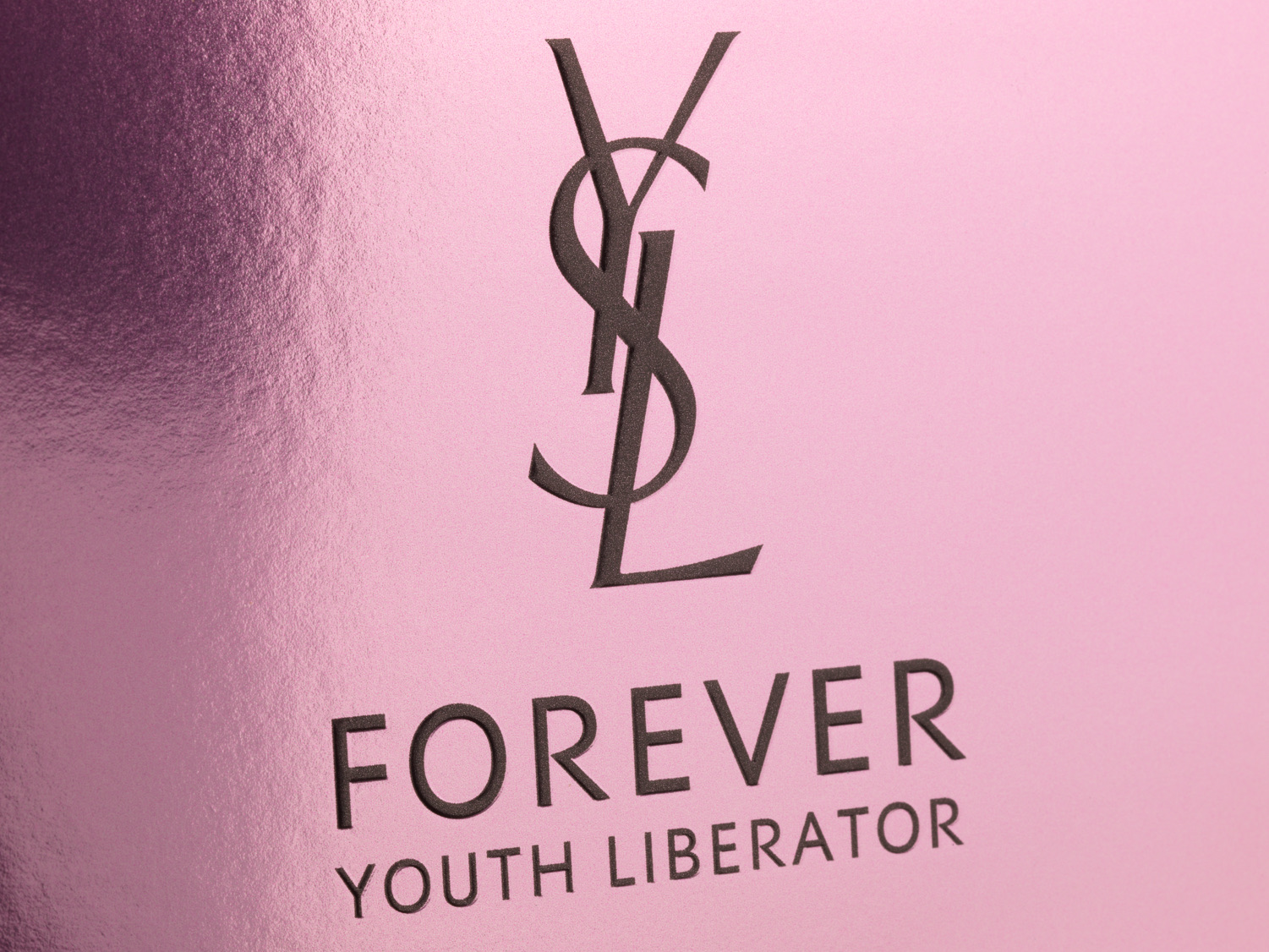
Embossing and debossing create tactile dimensionality: a raised or recessed relief that the hand feels before the eye registers. The brand mark pressed into the board is a physical commitment to identity that cannot be photocopied or imitated with print alone. See the guide to embossing and debossing in packaging for the mechanics and when each technique is the right tool.
What matters strategically: These finishes don’t just add decoration. They manipulate how light interacts with the surface, creating depth and contrast. Together, they create the “scream premium without being loud” quality that luxury brands depend on.
Structural Design as Luxury Communication
The opening experience is a luxury signal. How a box opens, the resistance of the tuck flap, the geometry of the closure, and the reveal sequence communicate brand intentionality. An auto-bottom construction with a precisely spec’d reverse tuck flap feels different from a loose, under-engineered equivalent. That difference is the brand signal.
Structural consistency across a SKU line builds recognizability. The same die line, the same score placement, the same opening sequence across an entire product range creates visual authority. See the structural design guide for packaging for how format, substrate, and construction choices interact at production scale.
The downstream effect worth naming: Luxury packaging that works structurally earns a second life. “Too pretty to throw away” is not just a consumer compliment; it is a brand equity indicator. Packaging that lives on a vanity, a bar shelf, or a desk continues doing brand work long after the product is gone.
Color Restraint and Palette Consistency
Luxury brands tend to own a narrow, precise color palette. Consistency signals authority; deviation signals inconsistency. The Tiffany blue is not memorable because of the shade; it is memorable because it never varies. That consistency is impossible without G7 color management certification at the manufacturing level, which ensures press-to-press color fidelity across production runs and across time. See Arkay’s manufacturing capabilities for the full G7 and color management commitment.
Which Industries Rely on Luxury Product Packaging?
High-end packaging is not category-agnostic. Three verticals account for the majority of luxury folding carton demand; each has structural reasons why packaging investment pays.
Cosmetics and Fragrance
Cosmetics and fragrance represent approximately 46–50% of the global luxury packaging market in 2025, according to Coherent Market Insights. No other category comes close. The reason: For prestige beauty, the carton IS the product at the point of purchase. A consumer encountering a skincare brand at a retail counter or in a product photo is judging the brand through its packaging. The purchase decision often happens before the formula is experienced.
Seventy-two percent of American consumers were influenced by packaging design in purchase decisions (Ipsos, 2018). For cosmetics brands competing in a category where product formulas converge, luxury cosmetic packaging is one of the most reliable ways to hold a price premium.
Spirits and Premium Beverages
Spirits packaging holds a unique position: the secondary carton (the folding carton box containing the bottle) regularly stays on the shelf long after purchase. A premium whiskey box displayed at a home bar, a craft gin presented as a gift; these are brand impressions that continue for years.
The implication is that spirits packaging must perform as an object, not just as a container. Structural rigidity, foil accent work, and embossed brand marks all serve dual purposes: shelf standout at retail and brand equity maintenance over long display life. Spirits packaging is a category where over-investing in finish quality nearly always pays.
Lifestyle Goods and Wellness
Premium food and beverage packaging launches grew at 7% annually from October 2020 through September 2025, according to Innova Market Insights. The wellness and lifestyle category has driven much of that growth; DTC-heavy brands are entering fragmented markets where retail shelf presence is replaced by an unboxing experience.
For lifestyle goods brands, packaging is often the primary physical brand touchpoint. Forty percent of luxury brands increased their e-commerce packaging budgets in 2024, driven by demand for social media-worthy unboxing (GlobeNewswire / Research and Markets, December 2025). An unboxing video is a packaging review, and it reaches audiences that no retail shelf ever could.
Navigating the Eco-Luxe Challenge
The most significant tension in luxury packaging today is sustainability. Premium aesthetics have historically relied on materials such as metallized laminates, magnetic closure hardware, and foil-on-foil combinations that complicate end-of-life recycling. ESG mandates from retail partners and internal sustainability commitments are creating real pressure on those choices.
The “greenwashing accusation” risk is acute: Brands that make eco-luxury claims without third-party credentials face regulatory scrutiny and consumer skepticism. “They call it eco-luxury packaging but it’s still just plastic with a leaf logo” is a documented consumer frustration pattern.
The reframe: responsible sourcing and luxury aesthetics are not in conflict. They require intentional material choices from the start, not retrofitted after the design is finalized.
The credentialed pathway: FSC/SFI/PEFC-certified board, water-based coatings, mono-material designs that maintain surface quality while simplifying recycling streams. The trade-off is real: premium sustainable materials carry a higher cost than conventional alternatives (GlobeNewswire, December 2025). Eco-luxe requires budget alignment with material sourcing decisions made early in the design process, not budget cutting.
Arkay’s sustainability credentials are annually verified by third parties, not marketing language: EcoVadis Platinum (top 1% of manufacturers globally, held consecutively since 2022), FSC, SFI, and PEFC triple-certified sourcing, and CarbonNeutral® operations confirmed for 2026. For brands whose retailer partners or ESG teams require certification documentation, these credentials pass directly to the brand’s own compliance record.
Trends Shaping Luxury Packaging in 2026
The forces acting on luxury packaging are shifting faster than most brand teams track. Four trends are reshaping how high-end folding cartons are specified, produced, and positioned; understanding them now changes the brief.
Sustainable Luxury: Certifications Replace Claims
The eco-luxe conversation has matured from aspiration to specification. Brands are replacing single-use tissue paper and poly inserts with FSC-certified paperboard alternatives that hold their own at shelf. Surface finishes are being re-evaluated: Soft-touch and matte laminate finishes are increasingly specified over film-coated alternatives because they are more compatible with recycling streams without sacrificing the tactile premium consumers expect.
The distinction that matters here is certification versus claim. A package described as “eco-friendly” is a marketing position. A package built on PEFC-certified SBS board, finished with water-based coatings, from a CarbonNeutral® manufacturing facility: that is a verifiable position. Retail partners and ESG teams increasingly require the latter.
Restrained Minimalism: Precision as the Luxury Signal
The era of over-embellishment is receding. High-end brands are moving toward structural precision and palette discipline as the primary luxury signals: a single foil stamp executed with tight registration, an emboss that holds ±0.3mm tolerance across the run, a color palette that never varies press-to-press. The finished work is still there; it is just doing more with less.
This shift rewards manufacturing partners who can deliver precision at scale. A single foil accent that lands perfectly on every unit communicates investment. The same accent executed with variable registration communicates the opposite. Restraint only reads as luxury when the execution is flawless.
Collectibility and Refillability: Packaging as Product
Set-up boxes engineered as keepsakes are no longer a niche category. Brands are deliberately designing outer cartons to outlast the product inside; structural rigidity, premium board weight, and finish quality that earns a place on a shelf rather than in the recycling bin. The downstream brand equity is measurable: A carton that lives on a vanity or a bar shelf continues delivering impressions long after the product is gone.
Refillability is an active area of investment for premium brands. The model pairs a high-quality outer carton with a refillable primary container, reducing per-unit packaging waste while framing the outer carton as the brand object and the refill as the ongoing transaction. Consumer adoption has been uneven, progressing more slowly than the brand-led narrative would suggest, but the brands investing in it are building packaging infrastructure designed to hold up to repeated handling. Board weight, finish durability, and structural precision matter more in that application, not less.
Short-Run Flexibility: Speed to Market for Limited Editions
Luxury launch timelines are compressing. Brands are using short-run folding cartons to test seasonal colorways, limited editions, and regional positioning before committing to full production volumes. The economics work when a manufacturing partner can deliver luxury-grade finish quality at short-run scale, without treating small orders as second-tier work.
The strategic implication: The brand team that can move from concept to physical sample in a week, evaluate real material and finish options, and commit to a short run for a seasonal launch has a structural advantage over teams locked into long-lead offshore production cycles.
How to Select a High-End Packaging Partner
The manufacturing partner decision is where the luxury packaging strategy either holds together or falls apart. A beautiful design executed by the wrong manufacturer becomes a flimsy carton with inconsistent color. The following five criteria are the reliable filters.
1. Evaluate Finishing Breadth, Not Just Print Capability
Luxury packaging is defined by its finishes: foil, embossing, soft-touch, and specialty coatings. A partner who prints but outsources any of these finishes introduces quality risk and timeline fragility. Outsourced finishing means the sample you approved was made under conditions that may not replicate in production. It means the registration that holds on the sample may shift when a third party runs the foil pass.
Vertically integrated operations (finishing and printing under one roof) mean registration holds, color matches, and the sample you approved is what ships. This is not a marginal preference; for luxury packaging, it is a structural requirement.
2. Prioritize Color Precision as a Hard Requirement
Luxury brands own a precise color palette. A partner who cannot guarantee that the Pantone 1795 C on your carton matches the Pantone 1795 C on your previous carton is incompatible with a luxury brand’s quality standards. G7 color management certification is the industry standard for press-to-press consistency. Ask for it explicitly. If a potential partner cannot confirm G7 certification, that is a disqualifying gap for luxury work.
3. Request a Physical Mock-Up Before Committing
Digital renders cannot replicate the hand feel of a finished carton. The soft-touch coating that looks muted on a screen feels alive in the hand. The embossing that looks subtle in the vector file creates a tactile depth that changes the perception of the piece. No luxury packaging decision should commit to production without a physical sample.
Partners who can move from concept to physical mock-up quickly reduce iteration cost and production risk. Arkay’s Design Studio in Hauppauge, New York, takes a concept to a physical or digitally printed mock-up ready for production review in one week, with no design team required from the brand. That sample is the final proof before any production commitment.
4. Verify Sustainability Credentials, Not Claims
Request third-party certification documentation: FSC, SFI, PEFC for material sourcing; EcoVadis rating for supply chain sustainability practices; CarbonNeutral® status for operational emissions. Ask whether certifications are current and audited annually, not self-reported.
Unsubstantiated eco-language puts brand partners at regulatory and reputational risk. A manufacturer that can produce verified, current documentation transfers credibility to the brand’s own ESG reporting. A manufacturer who cannot is a liability.
5. Consider Domestic Manufacturing for Supply Chain Reliability
Luxury launch timelines are not forgiving. A two-week delay from an offshore manufacturer waiting on customs clearance can miss a seasonal window entirely. Domestic production offers shorter and more predictable lead times, same-timezone communication for real-time problem-solving, and IP protection for proprietary structural designs and finish specifications that represent meaningful brand investment.
Arkay’s American manufacturing heritage, operated continuously since 1922 from a single domestic facility, offers the supply chain reliability that luxury launch timelines require. That same facility serves premium and mid-market brands across cosmetics, spirits, personal care, and lifestyle categories, so the finishing breadth that luxury work demands is available at the production scale a growing brand needs. For brands where packaging is a competitive asset, the IP dimension alone often justifies the domestic sourcing decision.
Talk with Arkay’s team about your next luxury packaging program.
Frequently Asked Questions
What is luxury product packaging?
Luxury product packaging is packaging designed to communicate premium brand positioning through material quality, tactile experience, structural refinement, and finish craftsmanship, beyond functional requirements alone. It encompasses folding cartons, rigid boxes, and specialty formats engineered to signal value and brand identity before the product is seen.
What makes packaging look and feel expensive?
Several physical signals create luxury perception: board weight (heavier board communicates investment), tactile surface treatments (soft-touch coatings, embossed textures), light-reflecting finishes (foil stamping, spot gloss), and structural precision (tight tolerances, clean score lines). Color consistency across a product line reinforces authority. Together, these cues create a halo effect; the package signals quality that extends to the product inside.
What materials are used in luxury product packaging?
Paper and paperboard account for approximately 66.7% of the luxury packaging materials market. For folding cartons specifically, Solid Bleached Sulfate (SBS) board is the premium substrate of choice: a white, bright surface that holds color and finish with precision. Board weight directly affects hand feel and perceived quality. Specialty coatings, FSC/SFI/PEFC-certified stocks, and water-based laminations are increasingly used to meet eco-luxe requirements without compromising surface quality.
How does luxury packaging differ from premium packaging?
Premium packaging describes a quality tier above commodity: better materials, tighter tolerances, and more refined finish work. Luxury packaging is a narrower designation within that tier: it signals exclusivity, brand heritage, or aspirational positioning specifically. A premium package performs well; a luxury package communicates that the product inside is worth more than its price. The distinction is strategic; a brand’s intent and target consumer determine which frame fits their packaging investment.
How does luxury packaging support brand equity?
Luxury packaging functions as a brand touchpoint that sets consumer expectations before the product is experienced. Packaging design that is consistent, tactile, and finish-led reinforces perceived quality and builds the visual memory that drives repeat purchase and brand recognition. Research shows that 72% of American consumers were influenced by packaging design in purchase decisions, and that consumers associate packaging quality directly with product quality.
What should brands ask when evaluating high-end packaging companies?
Five questions every brand should ask:
- Are finishing capabilities (foil, emboss, specialty coatings) executed in-house or outsourced?
- What color management standard does the facility hold?
- Can they produce a physical mock-up before production begins?
- What third-party sustainability certifications are current and verifiable?
- Is manufacturing domestic or offshore, and what does that mean for lead time and IP protection?
Partners who answer all five with specifics are positioned to deliver luxury work reliably.