
Your packaging passed every internal review. Creative signed off. Legal cleared it. Procurement hit the budget. It launched on schedule. And it’s still sitting on the shelf.
Most premium brands don’t have a packaging problem. They have a packaging strategy problem. The design was executed competently — it just wasn’t the right strategy, or it was the right strategy executed by the wrong manufacturing partner.
Most content on packaging strategy addresses the brand and marketing layer: what frameworks to use, what design principles to follow, and how to communicate shelf presence. From more than a century of working alongside brand teams, Arkay Packaging has seen what happens after those decisions are made, where a packaging strategy either holds up in production or quietly falls apart. This guide covers both sides: the strategic frameworks brands use, and the manufacturing decisions that determine whether those frameworks deliver results.
What Is Packaging Strategy?
Packaging strategy is the deliberate process by which a brand defines what its physical packaging needs to accomplish before a single design decision is made. It answers five foundational questions: Who is this packaging speaking to? What competitive set does it need to stand apart from? What price signal must it reinforce? What supply chain and retail channel constraints must it work within? What sustainability requirements does it need to meet?
Every downstream decision — substrate selection, structural design, finish choices, color system, certification requirements — flows from these answers. The packaging strategy is the brief that makes the design brief possible.
For premium consumer brands, packaging accounts for 10–25% of total product cost in luxury and prestige categories (Matpack.net, 2024). A decision this consequential — one that directly determines how a product is perceived before it is ever opened — deserves upstream strategic thinking, not a last-minute spec. According to a 2018 Ipsos study commissioned by the Paper and Packaging Board, 72% of consumers say packaging design directly influences their purchasing decisions. That influence begins with strategy, not execution.
For a deeper look at what makes premium packaging work across categories, see our guide to luxury and premium packaging.
The Key Elements of Effective Packaging
Effective packaging performs on three dimensions simultaneously: structural integrity, brand communication, and sustainability. A strategy that optimizes for one while ignoring the others typically underperforms at retail.
Structural Design and Substrate Selection
The carton structure determines whether the packaging performs or fails in the field — does it close cleanly, hold its shape through the supply chain, and meet the tolerances required for high-speed fill lines?
Substrate selection is the first strategy decision, and it’s a technical one. SBS (Solid Bleached Sulfate) paperboard — the standard for prestige cosmetics and personal care packaging — delivers the white brightness and print surface that makes brand colors reproduce with accuracy and depth. Caliper (board thickness) determines structural strength, finish compatibility, and emboss/deboss performance. A caliper choice that’s right for a flat-print carton may not support a tactile emboss at the same fidelity.
As Mitchell Kaneff, Arkay’s President, noted on the Printing’s Alive podcast: “What may work on one substrate doesn’t work on another substrate unless you’ve got the technical prowess.” This isn’t a manufacturing detail — it’s a strategy variable. The substrate you spec shapes everything downstream.
Brand Communication and Shelf Impact
A carton has roughly two to three seconds to communicate what the product is, who it’s for, and why it’s worth the price. This is the Communication dimension of any packaging framework — and it is where most underperforming packaging strategies fail. Not because the design was bad, but because it was designed for the review room, not the retail environment.
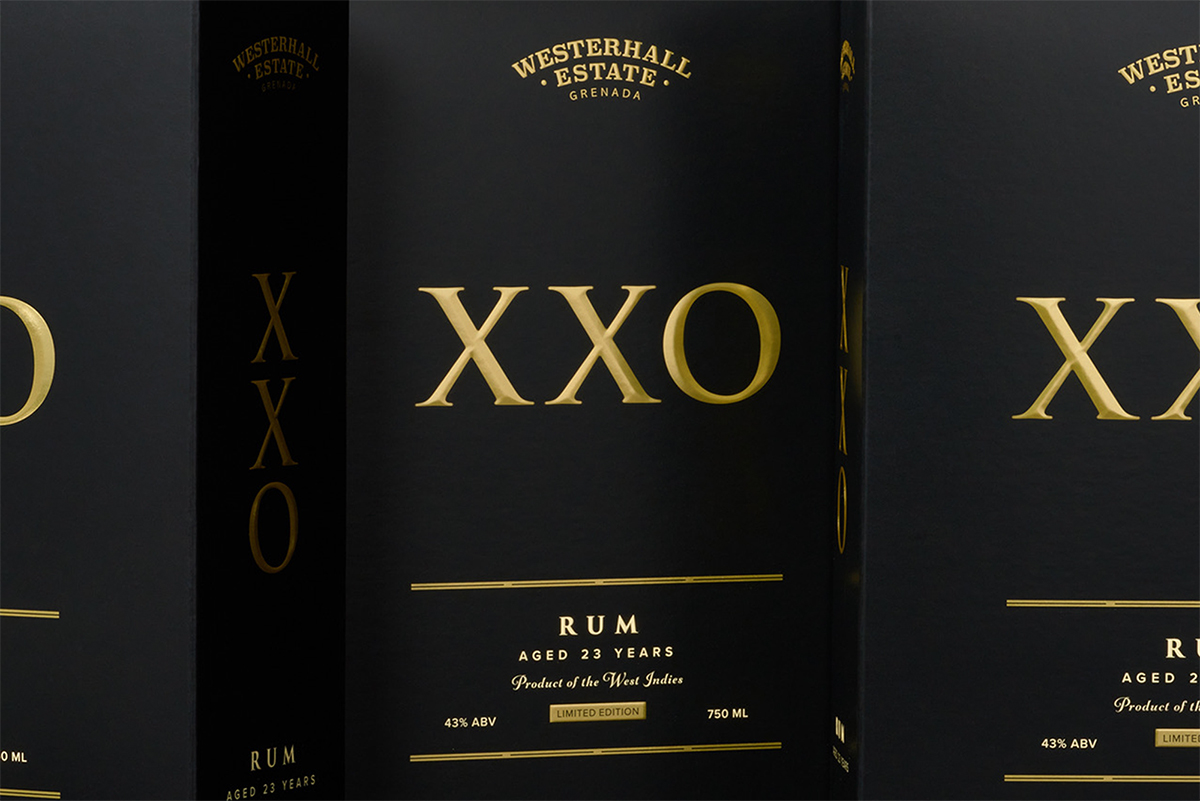
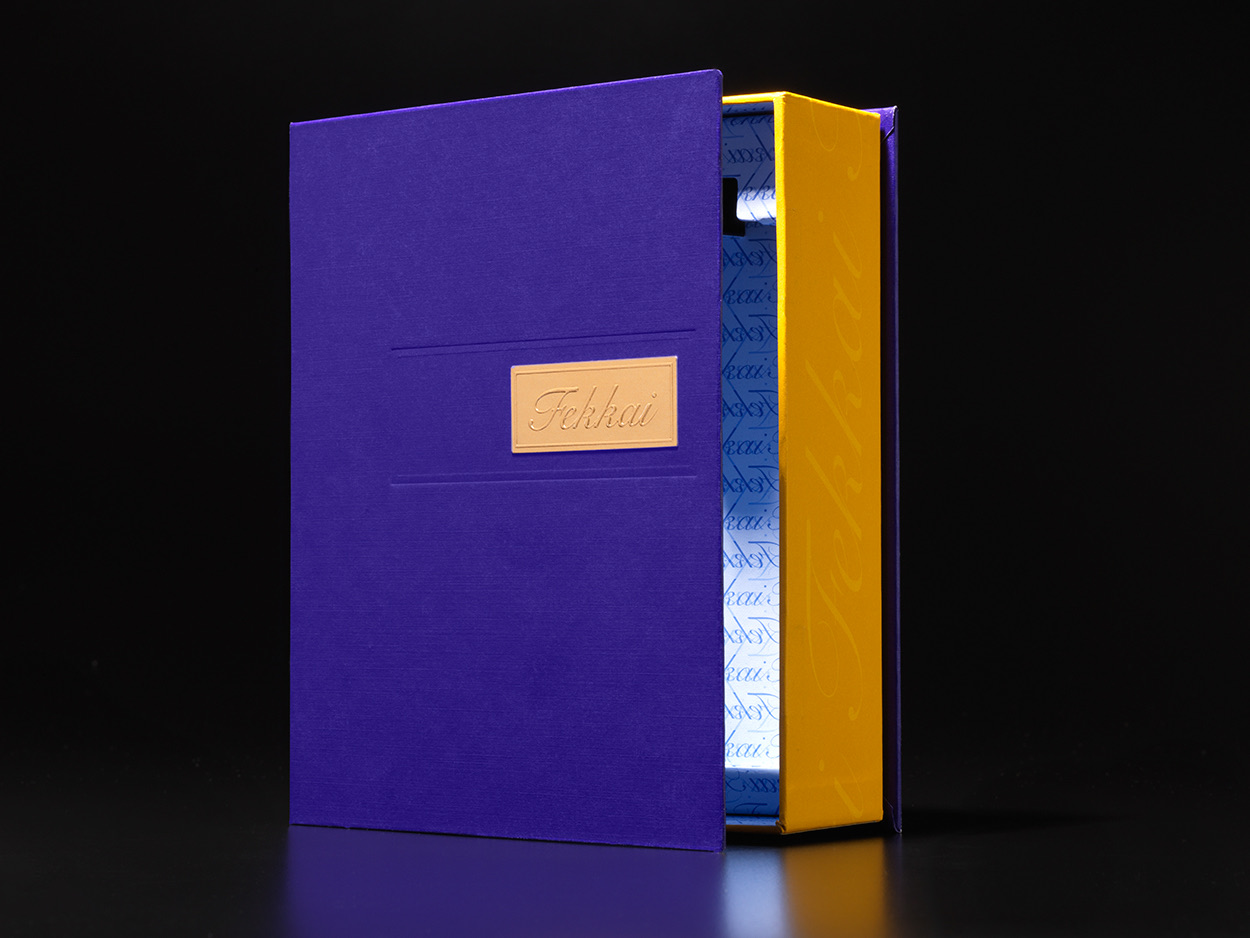
Visual hierarchy is the execution lever: the primary display panel must communicate the product’s identity and tier before any copy is read. Finish choices reinforce the signal: foil stamping communicates luxury before a word is processed; soft-touch laminate communicates premium quality before the box is opened. Structural differentiation — a distinctive die-cut profile, a premium closure mechanism — communicates thoughtfulness before the consumer reads the brand name.
Packaging also now performs as a thumbnail: for e-commerce and retail media, the carton must read clearly at 150 pixels wide. A packaging strategy that only considers the retail shelf misses the digital shelf entirely.
Sustainability and Responsible Sourcing
For brands with retail channel requirements, ESG-aligned investors, or consumers who verify sustainability claims, responsible sourcing is not a packaging strategy option — it is a procurement requirement.
The distinction between a sustainability strategy and a sustainability claim is certification: FSC, SFI, and PEFC chain-of-custody certification anchors sourcing claims to a verified standard. EcoVadis Platinum certification, CarbonNeutral® operations, and per-project recyclability spec sheets are the difference between a claim and a credential. See Arkay’s full sustainability certifications for details.
How Packaging Strategy Shapes Brand Perception
Brand perception is set before the product is experienced. The carton communicates quality, positioning, and values at first touch — and those signals are calibrated to the surrounding competitive set on the shelf. A carton that reads as one tier below its intended positioning communicates that the brand doesn’t believe in its own price point.
According to L.E.K. Consulting’s 2024 Annual Packaging Study, SKU rationalization contributed 65–90 basis points to gross margins compared to 2019 levels — demonstrating that packaging complexity is a measurable margin lever. For multi-SKU brands, brand architecture at the packaging level directly affects cost structure and perceived coherence.
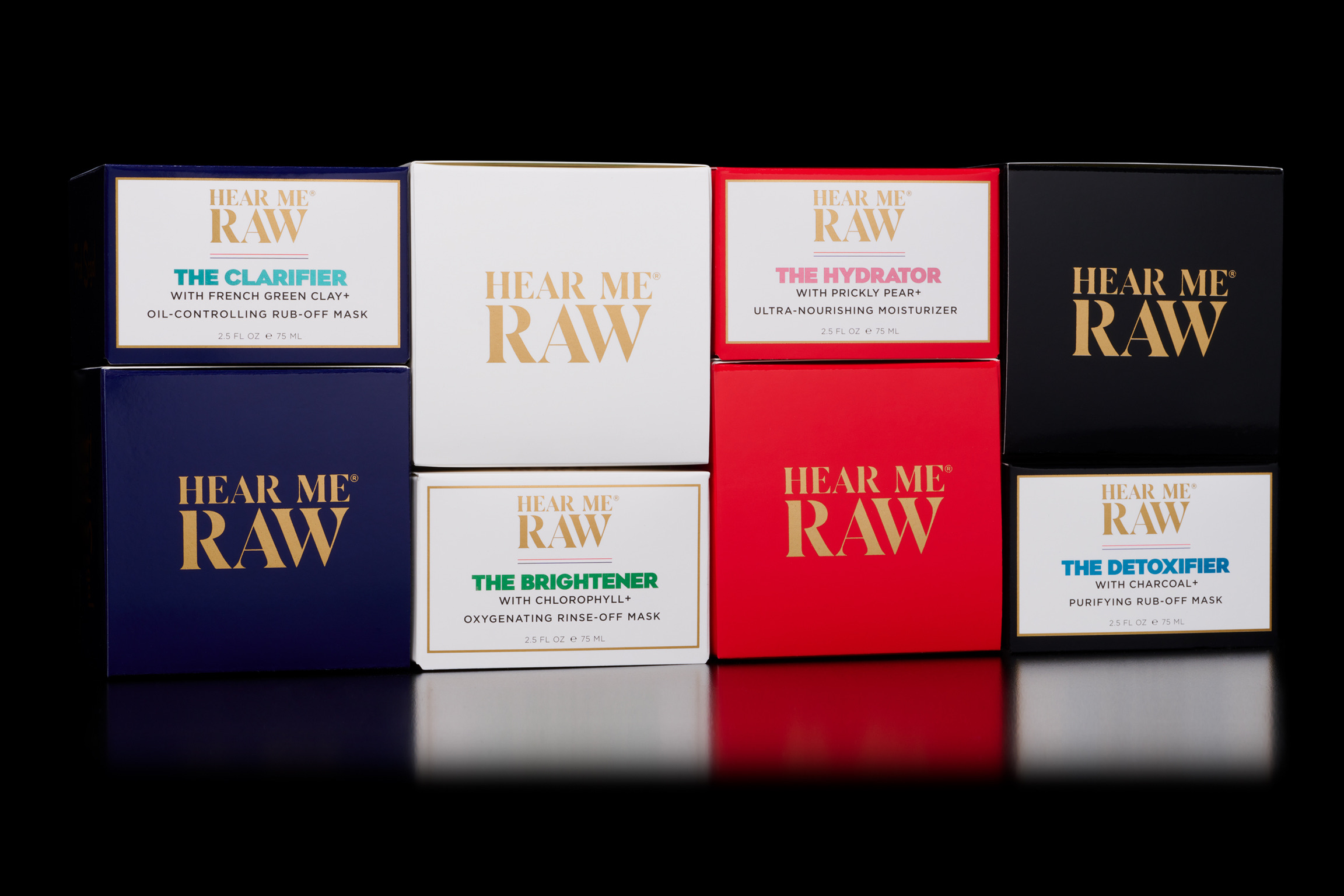
Color consistency is the most common and most expensive brand equity failure in multi-SKU portfolios. A line extension printed off-specification, a holiday SKU where the brand blue shifted two points, a seasonal run where the gold foil reads cooler than the core line — each of these is a small failure that, compounded across a portfolio, reads as a brand that can’t hold its own standard. G7 color management certification addresses this directly: color is calibrated to the approved proof on every press run, across every production batch and every season.
The ROI of premium packaging is increasingly measurable in both conversion and brand equity terms — the packaging that earns premium shelf presence generates a compounding return that commodity packaging does not.
Packaging Strategy Starts Before the Brief
One of the most consistent patterns in packaging strategy failures: packaging is the last decision made in a product development cycle that should have included it from the beginning.
The timeline reality: folding carton lead times run 2–4 weeks from artwork sign-off to delivery. The full packaging development cycle — from initial briefing through structural engineering, prototyping, press proof, and production run — runs 16–20 weeks. When packaging is brought into the process after formulation, regulatory, and marketing are locked, there’s no room for iteration. The team accepts a compromise design under time pressure or misses the launch window.
There’s also a material reality that most brand-side teams don’t consider. As Mitchell Kaneff shared on the Printing’s Alive podcast: “Paperboard is a tree, it’s a living thing. So whatever happens after say three to six months, that opening force of that particular package on a high-speed line is not going to function as well and can have line-stopping defects.”
A brand that specs a beautifully printed carton and then warehouses it for six months before filling is running a different production strategy than the one they planned — and discovering it on the fill line. A packaging strategy that accounts for production planning, storage conditions, and supply chain timing prevents this category of failure.
Packaging as a Marketing Tool: Shelf, Screen, and Unboxing
Packaging has always been a marketing tool. What’s changed is the number of channels where it now has to perform.
Retail shelf: Packaging competes in a 2–3 second window at retail. Shelf presence is determined by structural differentiation (height, profile, finish reflectivity), visual hierarchy, and the degree to which the packaging reads correctly within — or deliberately breaks from — its category’s visual codes. A carton that looks exactly like its neighbors communicates that the brand has no point of view on its own positioning.
Digital shelf: Packaging now performs as a thumbnail before it performs as a physical object. A carton designed only for retail shelf may disappear entirely in marketplace image grids or search results. Thumbnail-optimized packaging strategy considers contrast, text legibility at reduced size, and brand color distinctiveness in a compressed visual environment. The integration of digital authentication adds another layer: as Mitchell Kaneff noted on the Growing Up B2B podcast, “Everybody’s going online, so we’ve been doing Amazon transparency and dynamic QR coding so we can label all the packaging that we’re doing, and a number of our customers are insisting that’s on every package.” What began as a retailer compliance requirement is becoming a standard packaging strategy element for brands managing gray market risk and consumer engagement.
Unboxing: For prestige and D2C-adjacent brands, the moment of opening is a brand event. A premium carton that rewards the unwrapping — a clean closure mechanism, a tactile laminate, a foil element that catches the light — extends the brand experience before the product is seen.
How Arkay Turns Strategy Into Production Precision
The gap in most packaging strategy execution is the handoff: the brand makes strategic decisions, and the manufacturer tries to execute them as received. Arkay’s approach is different — the manufacturer’s input belongs in the strategy phase, because the substrate you spec, the finish you select, and the color standard you set are engineering decisions that either succeed or fail in production.
Substrate and Finish Engineering
Arkay prints exclusively on SBS board (Solid Bleached Sulfate), in calipers ranging from 14–28pt — the premium substrate for prestige consumer packaging across cosmetics, spirits, personal care, and nutraceuticals. Finish selection is not a design choice; it is a production engineering decision. A matte-soft touch laminate over a tactile emboss requires registration tolerance and press sequencing that not all manufacturers can hold consistently. Paint on Press® — Arkay’s proprietary process, developed under Chairman Emeritus Howard Kaneff, delivers up to 20 finish variations in a single press pass, significantly reducing production time without sacrificing finish quality. See Paint on Press in practice.
G7 Color Management
G7 color management certification is not a QA badge — it is a brand consistency system. For multi-SKU product families and seasonal launches, G7 ensures the navy on the holiday SKU matches the navy on the core SKU, across every press run and every production batch. For premium brands with precisely specified brand colors, G7 certification should be a procurement requirement, not a nice-to-have.
Sustainability Credentials
Arkay holds EcoVadis Platinum recognition (top 1% of rated manufacturers globally, consecutively since 2022), sources FSC, SFI, and PEFC triple-certified paperboard, and operates a carbon-neutral, CarbonNeutral® certified facility in Roanoke, VA. Per-project recyclability spec sheets — covering substrate certification and finish composition — are available on request. Arkay’s 2025 sustainability report.
Design Studio and Domestic Manufacturing
Brand teams can bring a concept — a sketch, a dieline, or a reference carton — to Arkay’s Design Studio in Hauppauge, NY, and receive a physical mock-up ready for production review in as fast as one day, with production-ready prototypes typically following in 7–10 days, depending on urgency and project needs. Domestic manufacturing in Roanoke, VA — within 400 miles of the U.S. Mid-Atlantic, Southeast, and Midwest — shortens lead times, protects IP, and provides supply chain reliability that offshore sourcing cannot match. Why domestic manufacturing matters.
Which Packaging Partners Help Develop Your Packaging Strategy?
Selecting a packaging manufacturing partner is itself a strategic decision. The manufacturer you choose determines what is manufacturable within your strategy — and what isn’t.
1. Category-Specific Manufacturing Experience
Look for a manufacturer with a documented track record in your vertical. The finish tolerances and color precision required for prestige beauty packaging differ significantly from commodity CPG cartons. Category experience means a manufacturer has already solved the production problems your project will surface.
2. Certified Quality Infrastructure
G7 color management certification, BRCGS packaging safety certification, and FSC/SFI/PEFC chain-of-custody certification are the three baseline credentials for premium brand packaging. These are procurement filters that protect brands from supply chain risk, retailer audit failures, and sustainability claim exposure — not marketing badges.
3. Prototype and Design Capability
A manufacturer who can move from concept to production-ready prototype under one roof shortens feedback loops substantially. The closer the prototype experience mirrors the eventual production run, the fewer surprises at scale. Early prototype investment prevents late-stage design changes, which are the most expensive packaging mistakes a brand can make.
4. Domestic Manufacturing and Supply Chain Reliability
For brands managing seasonal commitments and launch windows, domestic manufacturing offers lead time, IP protection, and communication advantages that offshore supply chains can’t match. Supply chain visibility — knowing exactly where your cartons are and when they’ll arrive — is a competitive advantage when launch timing is a commercial priority.
Arkay Packaging — a fourth-generation, family-owned manufacturer founded in 1922 — holds G7, BRCGS, EcoVadis Platinum, and FSC/SFI/PEFC triple certification, with a Design Studio in Hauppauge, NY, and manufacturing in Roanoke, VA. Explore Arkay’s capabilities.
Start A Conversation With Us
Let’s talk about the right packaging for your brand — whether you’re launching a new line, re-specifying an existing carton, or evaluating a manufacturing partner who can execute at the finish level your positioning demands. Bring a concept, a brief, or a question. Let’s talk.
Frequently Asked Questions
What is the packaging strategy for consumer brands?
Packaging strategy is the deliberate process by which a brand defines how its physical packaging will support commercial objectives — shelf differentiation, consumer perception, price positioning, and supply chain performance. It encompasses substrate selection, structural design, finish choices, and sustainability credentials, all evaluated against the brand’s target audience, retail environment, and competitive context. For premium consumer brands, packaging strategy is not a downstream production decision; it is a brand-level investment that determines how a product is perceived before it is ever used.
How does packaging strategy affect brand perception?
Packaging is the first physical touchpoint between a brand and its consumer — it communicates quality, positioning, and values before the product is experienced. A coherent packaging strategy ensures that structural choices, finish treatments, and print precision consistently reinforce the brand’s price signal and identity across every SKU and every market. For premium brands, inconsistencies in packaging — color drift between runs, under-specified finishes, or off-brand structural choices — directly erode perceived value and shelf authority.
Which packaging partners help brands develop a packaging strategy?
The most effective packaging partners combine structural engineering expertise with finish execution depth — not just print production. Look for manufacturers with category-specific experience in your vertical, the ability to produce prototypes early in the design phase, and documented quality infrastructure (G7 color management, BRCGS certification) that can hold your brand’s specification across full production runs. Vertically integrated manufacturers — where design, printing, finishing, and QA operate under one roof — offer shorter feedback loops and more consistent execution.
What are the 4 C’s of packaging?
The 4 C’s of packaging is a strategic framework for evaluating whether packaging meets consumer needs: Containment (the package securely holds and protects the product), Convenience (the format is easy to use, open, and store), Communication (the packaging conveys brand identity, product information, and purchase motivation at the shelf), and Cost (the packaging delivers these functions at a price point sustainable for the brand’s margin structure). For premium consumer brands, Communication and Containment typically carry the greatest strategic weight.
What are the 5 P’s of packaging?
The 5 P’s of packaging define the five simultaneous jobs packaging must perform: Promote (raise consumer awareness and communicate brand value), Position (signal shelf placement, price tier, and competitive differentiation), Present (create the immediate sensory impression that drives purchase decisions), Provide (deliver additional value, from usage instructions to sustainability transparency), and Protect (safeguard the product through the supply chain without compromise). Together, the 5 P’s offer a useful audit framework for evaluating whether packaging is working across all five dimensions.
What is the difference between packaging strategy and packaging design?
Packaging design is the execution layer — the visual, structural, and material decisions that produce a physical package. Packaging strategy is the upstream framework that defines what the packaging needs to accomplish before any design decision is made: which consumer segment it needs to speak to, which competitive set it needs to stand apart from, what price signal it must reinforce, and what supply chain and sustainability constraints it must operate within. Design without strategy produces packaging that looks considered but may miss its commercial objective; strategy without design produces a specification that never connects with a consumer.