
Why Product Packaging Matters
There is a specific kind of letdown in a product that arrives in packaging beneath it. The item is right; the box feels flimsy, or generic, or loud in a way that reads as low quality. Customers describe the reaction bluntly — it feels like “paying for the box, not the product,” or the reverse, a good product undersold by its packaging. Either way, the box has said something about the brand before the product gets a chance to.
That is the heart of why product packaging matters: it is rarely neutral. Packaging is a product’s first physical interface with a customer, and it works whether or not a brand designs it deliberately. With more than 100 years spent making that interface for consumer brands, Arkay sees the same truth repeatedly — the packaging is doing perception work in the seconds a buyer has it in hand, and it either builds confidence or quietly erodes it.
This guide covers what packaging actually does, how it influences perception and purchasing, and how to tell genuinely premium packaging from packaging that only looks the part.
What Product Packaging Does: Its Core Functions
Packaging earns its importance by doing several jobs at once — most of them invisible until they fail.
- Protection: it shields the product from damage, moisture, contamination, and tampering across the whole journey from plant to shelf to home. This is packaging’s oldest and most non-negotiable job; every other function is built on it.
- Containment: it holds the product together as a single, transportable, sellable unit — keeping components, contents, or multi-part items secure until the moment of use.
- Information and compliance: it carries usage instructions, ingredients, regulatory disclosures, and certifications — the communication layer that lets a customer use the product safely and legally.
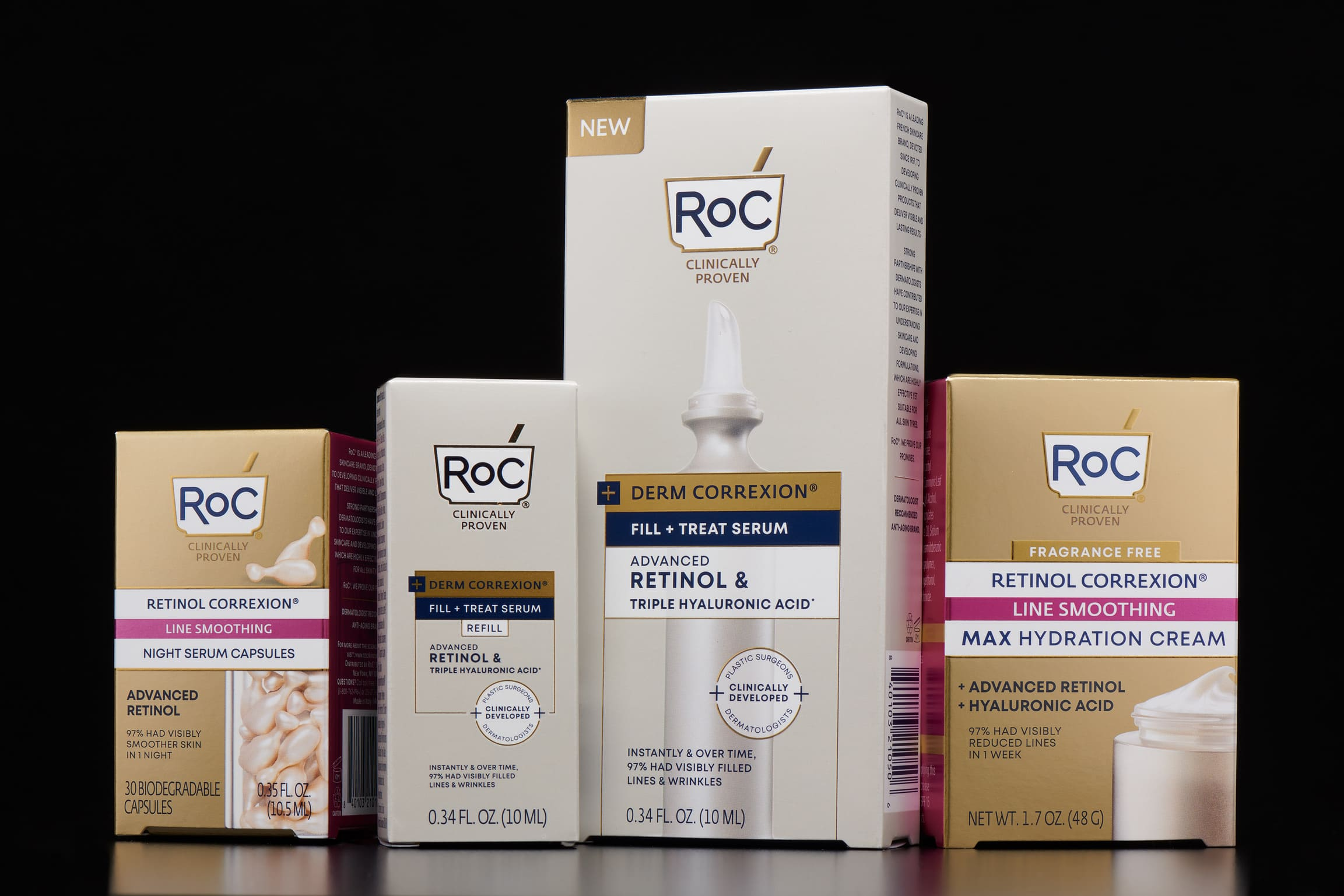
- Promotion and branding: it acts as a silent salesperson, with color, typography, structure, and finish signaling brand identity and price tier before a word is read.
- Differentiation: it separates a product from visually similar competitors — the structural silhouette and finish are the shelf-level cues that say “this one, not that one.”
- Convenience: it governs how easily a product is opened, used, resealed, stored, and recycled — shaping satisfaction and repeat purchase long after the first impression.
A product with no deliberate packaging strategy is exposed on every one of these fronts at once — from physical damage to being overlooked entirely.
How Packaging Shapes Perception and Purchasing Decisions
Packaging does its most valuable work at the point of decision, and the research is consistent about how much weight it carries.
WestRock’s Packaging Matters study found that 52 percent of consumers have switched brands because of new packaging, 81 percent have tried a product because its packaging caught their eye, and 63 percent have repurchased a product because of how it looks (WestRock, 2018). Those are not vanity metrics — they are trial, switching, and loyalty, the three moments a brand most wants to influence, and packaging moves all three.
Materials carry as much of that weight as graphics. In a national survey, 63 percent of consumers said paper and cardboard packaging makes a product seem premium or high quality (Ipsos / Paper and Packaging Board, 2018) — a reminder that the substrate itself is a perception signal, not just a carrier for print. What makes this decisive is timing: roughly 76 percent of purchase decisions are made in-store, at the point of purchase (POPAI, 2012). Packaging is often the last thing a buyer evaluates before deciding, and the only brand asset physically in their hands when they do.
The takeaway for a brand is that packaging is not a cost center bolted onto a finished product — it is one of the most direct levers on how the product is valued and whether it sells.
What to Look For in Premium Packaging: A Buyer’s Checklist
If packaging shapes perceived quality, the practical question is how to tell genuinely premium packaging from packaging engineered only to look premium in a photo. 5 things separate the two.
1. Substrate Weight and Rigidity
Weight is the first cue a hand registers, before any finish is noticed. Genuinely premium cartons are built on virgin-fiber SBS paperboard with enough caliper to hold their shape — thin, flexing board telegraphs “low quality” instantly and makes any finish applied over it read as papery rather than substantial.
2. Finish Execution
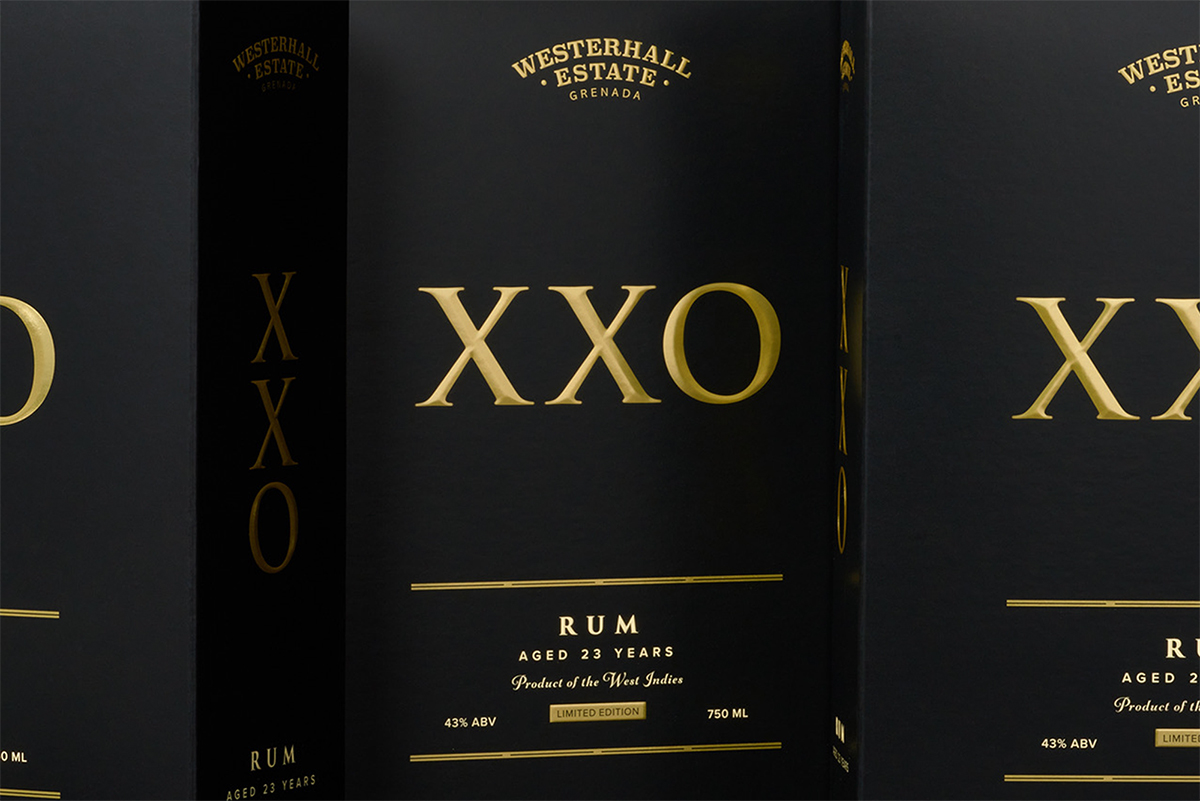
The presence of foil or embossing is not the signal; the execution is. Look for foil that stays crisp and bright to the edges of the stamped area rather than dulling or flaking, embossing held in tight registration rather than sitting slightly off, and soft-touch coatings that feel evenly fine with no bubbling or seams.
3. Color and Print Precision
Premium packaging holds color consistently across every unit and every run. The question to ask a manufacturer is not whether they “color matched” a proof once, but whether they run a repeatable, auditable process — G7 color management certification is the standard that guarantees color lands the same on the tenth run as the first.
4. Structural Fit
A precise die-cut and score determine whether a carton closes cleanly, holds shape in transit, and opens without a fight. This is often invisible until the carton is handled — which is exactly why a buyer should evaluate a physical sample, not a rendering.
5. Sustainable, Recyclable Materials
Sustainable packaging is now part of what “premium” means to both shoppers and retailers, so genuinely premium packaging is increasingly built on recyclable substrates and responsibly sourced fiber. Two things to check: whether the material is recyclable in normal streams and whether the finishes on it (coatings, foils, laminations) keep it that way, and whether the sourcing is backed by chain-of-custody certification — FSC, SFI, and PEFC — rather than an unverified “eco-friendly” label. A real certification produces paperwork; a claim does not.
The throughline is simple: premium packaging is a system. Packaging that only looks premium usually nails one visible element — often a finish — while cutting corners on substrate, registration, or sourcing. A striking foil stamp on thin board reads as mismatch, not luxury. The reliable test, echoed in every luxury packaging buying guide, is to pick it up.
Premium Is Not Over-Packaged
One caution matters here, because it is where good intentions go wrong. Premium and over-packaged are not the same thing. A “box inside a box inside a box,” excess void fill, and non-recyclable laminates increasingly read as wasteful rather than luxurious — and consumers notice. A single, well-engineered carton in a certified substrate signals more care than a nest of packaging, and it holds up to the sustainability scrutiny premium buyers now apply. The goal is packaging that is right-sized and well-made, not simply more of it.
How Arkay Builds Packaging That Earns Its Perception
The buyer’s checklist above is, in effect, a description of what a serious folding carton manufacturer controls day to day — and holding all of it at once is the point.
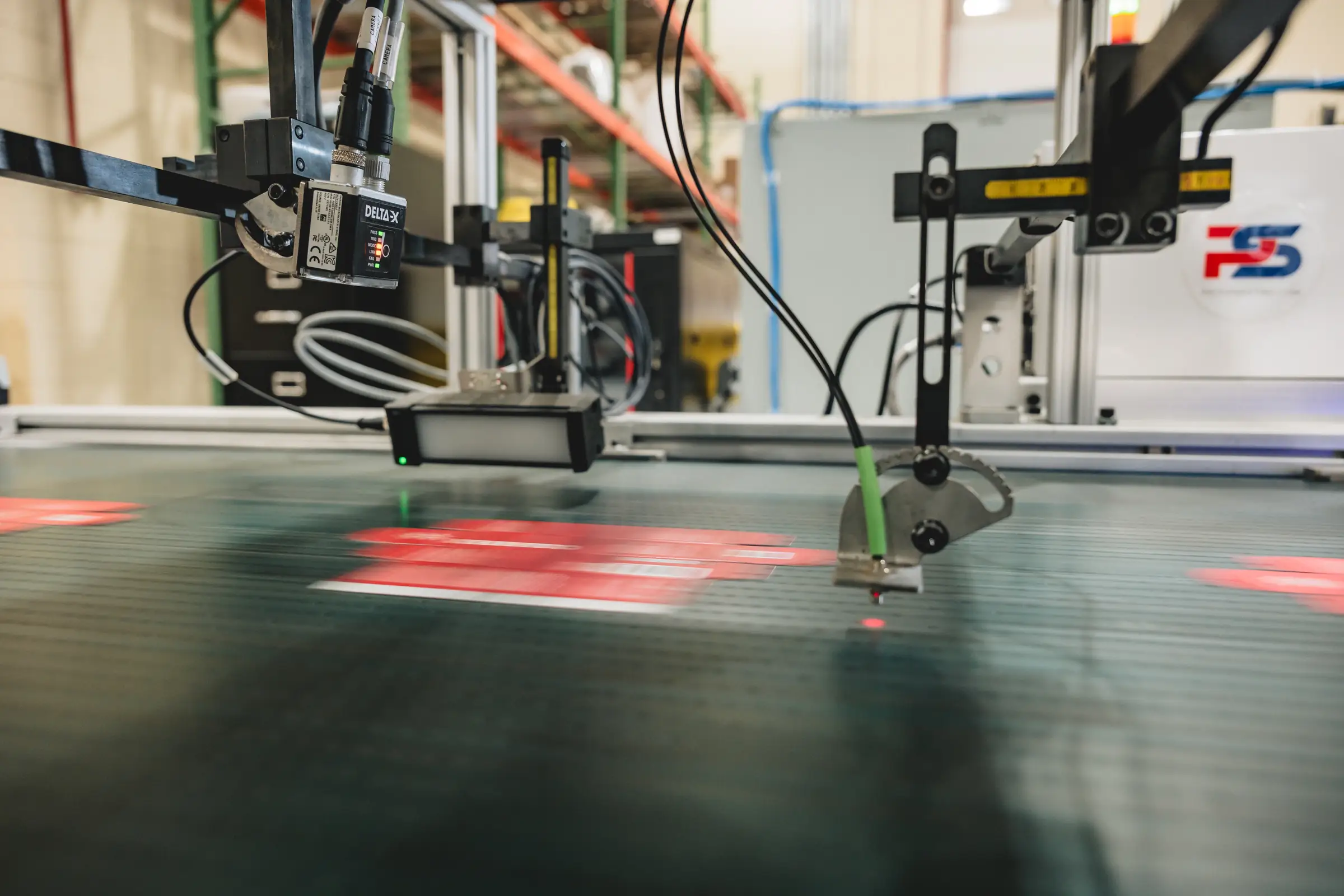
With more than 100 years of manufacturing across four generations, Arkay engineers each of those elements as a production specification rather than an aspiration. Cartons run on SBS paperboard from 14 to 28pt; embossing holds a ±0.3mm registration tolerance; foil, soft-touch coatings, and inline pearlescent effects from double flexo coaters are applied in-house; and G7 color management keeps a brand’s palette consistent across runs. These are among the manufacturing capabilities that let a carton feel considered in the hand, not just in a proof. Sourcing is anchored to FSC, SFI, and PEFC certification, EcoVadis Platinum recognition, and CarbonNeutral® operations — the documentation behind the material story.
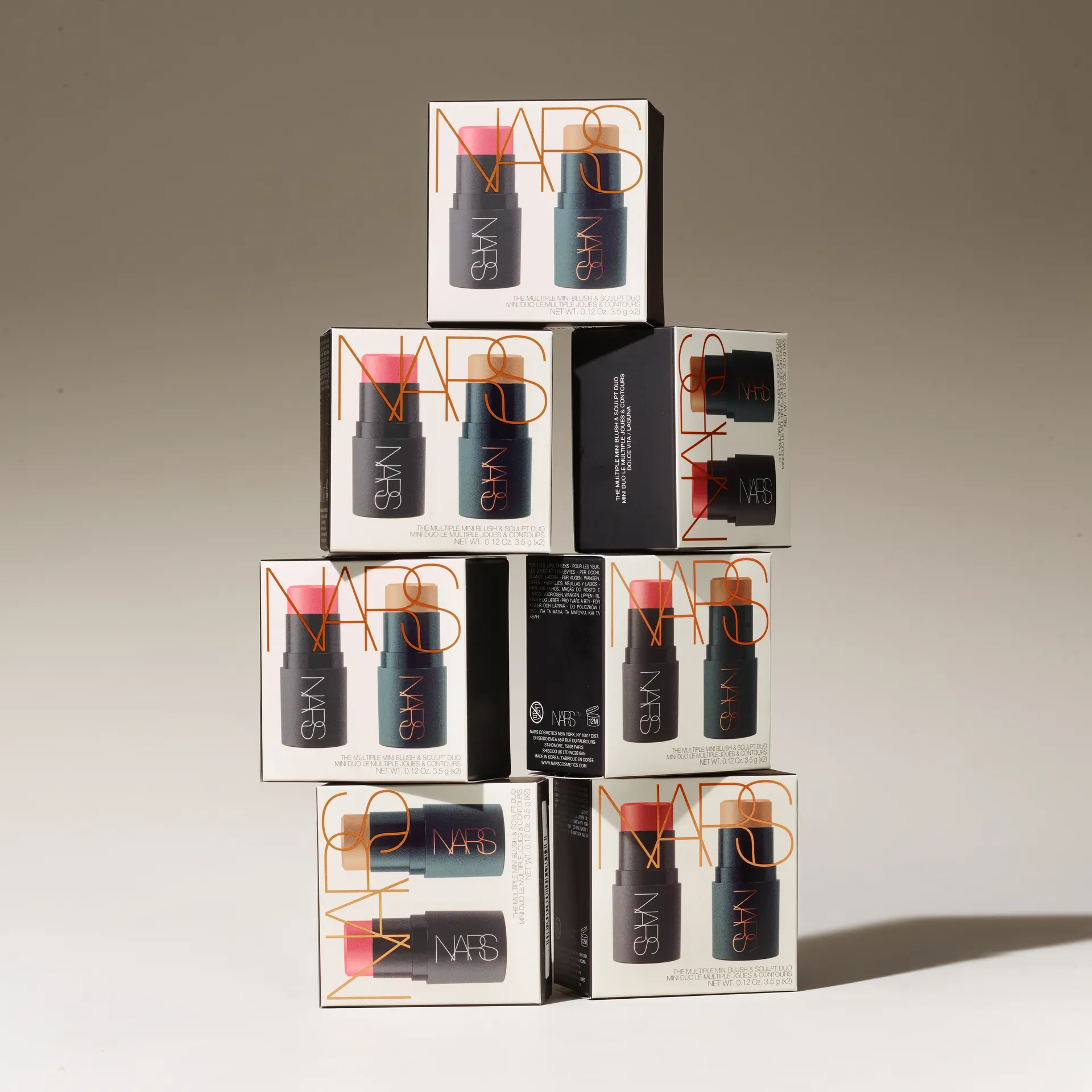
The honest framing is that premium packaging is a system, and Arkay’s role is to hold every part of it — substrate, structure, finish, color, and certified sourcing — for the folding carton, working alongside a brand’s design team and its primary-packaging suppliers. For categories where the box carries much of the brand, like cosmetics and beauty, that completeness is what separates packaging that earns its perceived value from packaging that merely borrows it. It is the same standard behind the complete guide to premium packaging and the value premium packaging returns to the brands that invest in it.
Make Your Packaging Pull Its Weight
Let’s make sure your packaging reflects the product inside it. Whether you are launching, repositioning, or fixing packaging that undersells what it holds, Arkay can engineer the carton, finish, and color that make the quality obvious the moment a customer picks it up.
Reach out to Arkay’s team to talk through the substrate, finish, and certifications behind packaging that earns its perception.