There’s a version of electronics packaging that doesn’t hold up. It’s fine on a spec sheet. It comes back from the printer on time. It passes the drop test. And then it sits on the shelf looking exactly like the seven products next to it — same structure, same matte white finish, same nothing.
Consumer electronics brands spend years designing the device and days designing the box. For brands where the product price starts above $30, that imbalance shows up on the shelf, in Amazon search results, and in the moment a customer unwraps what they paid for.
This guide covers consumer electronics packaging from the outer retail box perspective — where brand equity, sustainability credentials, shelf presence, and unboxing all converge.
What Is Consumer Electronics Packaging?
Consumer electronics packaging is a system — not a single material or format. It operates across three distinct layers, each engineered for a different function.
The inner protective layer: Foam inserts, molded pulp trays, vacuum-formed inserts, and ESD (electrostatic discharge) shielding — cushions the device against shock, vibration, and static during transit. This layer is invisible to the consumer at the point of purchase.
The transit layer: Corrugated master cases and right-sized shipping boxes, handles the supply chain: stacking weight, dimensional efficiency, and distribution center automation.
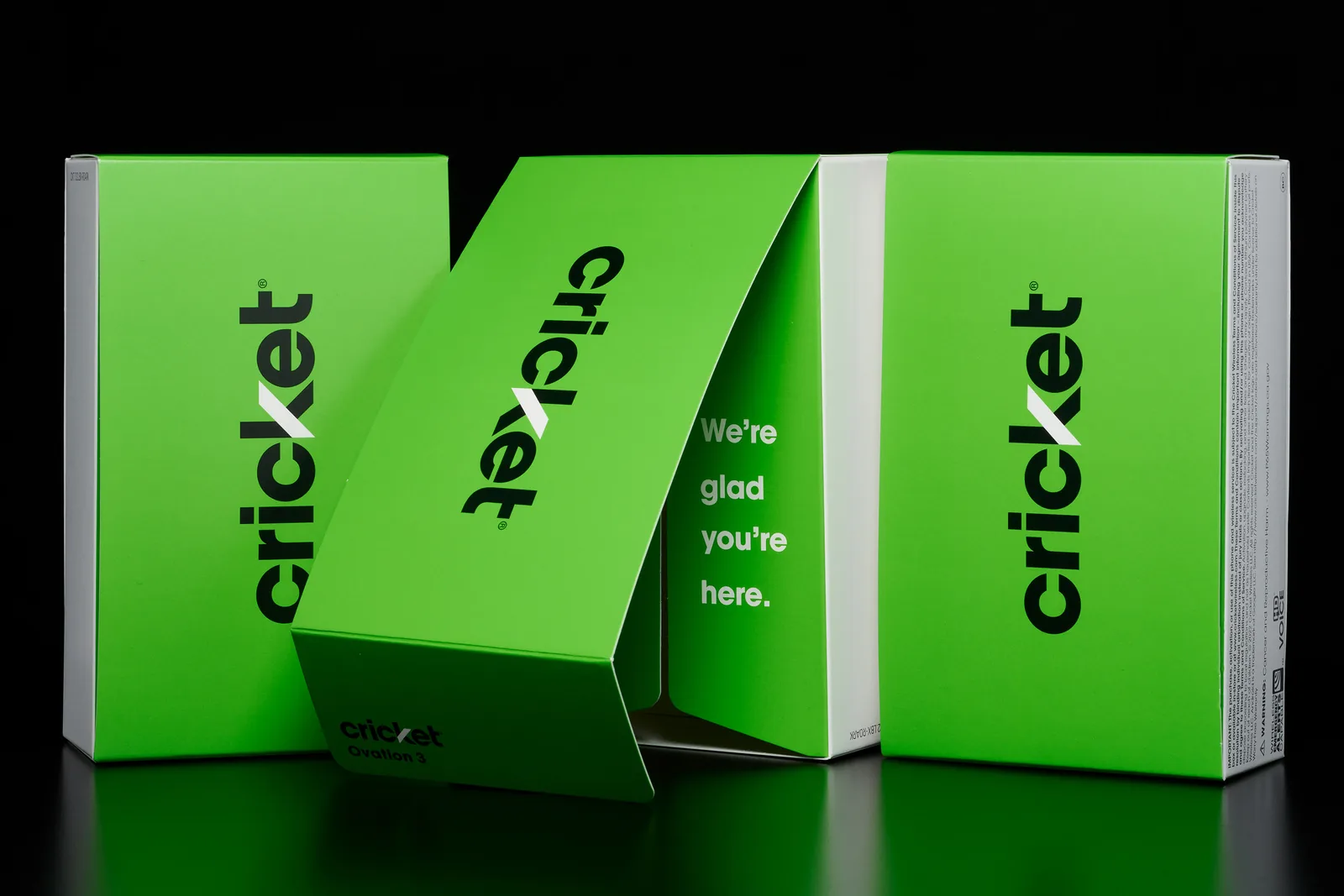
The outer retail box (folding carton): The layer the consumer sees on the shelf, in an Amazon listing thumbnail, and at unboxing — carries the brand’s commercial message, sustainability credentials, and first physical impression.
These three layers are engineered separately and sourced from different specialists. Arkay Packaging engineers the outer folding carton. For electronics brands whose product price signals premium — and where the first physical brand impression matters — the outer retail box is the packaging decision that earns the most scrutiny and deserves the most precision. For deeper context on what premium packaging requires across categories, see The Complete Guide to Luxury & Premium Packaging.
The Electronics Packaging Ecosystem: Inner Layer vs. Retail Box
The confusion between these layers is common and consequential. A brief delivered to the wrong specialist results in protective packaging that is over-engineered and over-priced, or retail packaging that looks like it was spec’d for transit.
The inner protective layer and the outer retail box solve different problems. Inner packaging is physics: it calculates drop height, vibration frequency, device weight, and required cushioning depth. Outer retail packaging is brand engineering: it solves for shelf impact, thumbnail legibility, color precision across a product family, and the tactile quality of the open-reveal moment.
For premium electronics brands, the outer folding carton is where the $30–$40+ price signal is set. A soft-touch laminate and precise foil registration communicate craftsmanship before the box is opened. A substrate that’s underspecified, a color that drifts from the approved standard, or a finish that looks flat on screen communicates the opposite.
Sustainable Electronics Packaging: From Brand Pledge to Certified Reality
The industry shift is not incremental. Apple, Samsung, and Google have each committed — and largely delivered — on plastic-free retail packaging for their flagship device lines. According to Apple’s 2026 Environmental Progress Report, the company avoided more than 15,000 metric tons of plastic in packaging over the five years ending 2025 and completed the transition to 100% fiber-based retail packaging. iPhone 17 packaging was also redesigned to allow 35% more units per shipping pallet compared to iPhone 16 — a sustainability and logistics win simultaneously.
Samsung’s trajectory is equally specific: Galaxy smartphone packaging went from 51% plastic in 2017 to 4% plastic in 2025. The Galaxy S25 Series box is made entirely from recycled paper (Samsung Global Newsroom, 2025). Google eliminated all plastic from Pixel phone packaging ahead of its 2025 target.
What major electronics brands have done at scale, category followers adopt within product cycles. Paper-based SBS folding cartons are moving from premium-tier expectation to category standard.
The gap that matters: a brand can print “eco-friendly” on any box. What certifications actually verify the claim are FSC, SFI, and PEFC chain-of-custody certification for paperboard sourcing — each independently audited, each traceable back to responsibly managed forests. At the manufacturer level, EcoVadis Platinum recognition (top 1% of rated manufacturers globally) and CarbonNeutral® operations extend the sustainability story beyond the raw material.
As one member of Arkay’s operations team described on the Innovation with Dennis Quaid podcast: “Arkay is very dedicated to sustainability. We’ve installed LED lighting in all of this facility, the offices and the plant. Arkay also invested in a white roof to reduce heat absorption and installed high-quality, energy-efficient air conditioners. Since 2022, Arkay has received every year the prestigious Platinum medal by EcoVadis every year, ranking us in the top 1% of rated companies worldwide.”
Research confirms that sustainability credentials on the outer box carry commercial weight: 86% of consumers say they are more likely to purchase from a brand with sustainable packaging (Shorr Packaging, 2022). For electronics brands under retailer audit pressure or ESG reporting requirements, the certification behind the claim is the asset — not the claim itself. See Arkay’s full sustainability certifications.
Key Trends Reshaping Consumer Electronics Packaging
Paper-based packaging replacing plastic at scale
The Apple and Samsung transitions above represent category-defining signals. When the two highest-revenue consumer electronics brands commit publicly — and measurably — to fiber-based outer packaging, accessory brands, OEM suppliers, and category adjacents follow. For folding carton manufacturers, this is the wave: more electronics brands actively seeking FSC-certified SBS alternatives to plastic clamshells and blister packaging.
E-commerce and digital shelf performance
Consumer electronics are predominantly researched and purchased online. Packaging now performs as a product image — a 150-pixel-wide thumbnail in an Amazon search result — before it performs as a physical object. A retail carton designed only for in-store shelf may disappear entirely in a marketplace listing grid. Color contrast, brand recognizability at compressed size, and a single dominant visual element are the design variables that drive click-through. Brands that spec packaging only for the retail shelf are leaving digital shelf conversion on the table.
QR codes, Amazon Transparency, and Digital Product Passports
Counterfeit electronics are a documented, large-scale problem. According to OECD/EUIPO research, global trade in counterfeit goods reached $467 billion in 2021, with electronics among the most-targeted product categories. QR-enabled packaging and Amazon Transparency labeling address this directly — connecting the physical carton to a digital authentication layer that verifies product origin.
Regulatory pressure is compounding commercial demand. The EU Ecodesign for Sustainable Products Regulation (ESPR, adopted 2024) mandates Digital Product Passports — accessed via QR code on the packaging — for electronics categories, with compliance expected in the 2027–2028 timeframe. For electronics brands with EU distribution, the QR code on the carton is moving from a brand-protection option to a legal requirement.
Materials and Finishes for Consumer Electronics Retail Packaging
SBS paperboard: the premium standard
SBS (Solid Bleached Sulfate) paperboard is the substrate of choice for premium consumer electronics retail packaging. Its white-point brightness supports accurate brand color reproduction across complex visual systems; its surface smoothness supports fine-line printing and sharp registration for tight text and detail work. For brands committed to paper-based sustainability, SBS from FSC, SFI, and PEFC certified sources is the credentialed option.
Caliper selection matters more than most brand teams realize.
Calipe, board thickness, determines structural integrity, finish compatibility, and perceived product weight. At Arkay, calipers range from 14pt to 28pt (28pt is the ceiling; exceeding it risks press damage). For electronics retail packaging, the general guidance:
- 14–18pt: Small accessories, cables, earbuds, small-footprint charging devices
- 18–24pt: Smartphones, smart home devices, mid-size peripherals
- 24–28pt: Premium headphones, high-end smart speakers, gift-positioned tech SKUs
A caliper choice made without understanding the structural and finish demands of the specific box design produces a carton that either over-costs the job or underperforms at shelf.
Finishes that communicate premium
The finish layer is where the carton stops reading as a commodity and starts reading as a brand. For consumer electronics, the most effective finishes are:
- Soft-touch laminate: Creates a tactile matte surface that communicates quality through touch. Widely used in premium headphone and speaker packaging.
- Foil stamping: Gold, silver, and holographic foil catch light at retail. Communicates the product’s tier before the brand name is read.
- Spot UV: Selective gloss over a matte field — creates contrast, directs eye movement, adds dimension.
- Emboss / deboss: Structural tactile differentiation. Used for logos, device outlines, and architectural detail.
- Paint on Press®: Arkay’s proprietary process, developed under Chairman Emeritus Howard Kaneff, delivers up to 20 finish variations in a single press pass, reducing production time without sacrificing finish complexity. See Paint on Press in practice.
Designing Consumer Electronics Packaging for Shelf, Screen, and Unboxing
Electronics packaging performs across three distinct contexts — and each demands a different design consideration.
Retail shelf: the 2–3 second window
At retail, a consumer electronics carton competes in a 2–3 second read window. The primary display panel must communicate product identity and tier before any copy is processed. Structural differentiation — a distinctive die-cut profile, a taller-than-category height, a finish that reflects light differently from adjacent boxes — determines whether a carton is findable in a crowded electronics aisle. Visual hierarchy is the execution lever: the product’s name and value signal must register before the consumer reads anything.
Digital shelf: thumbnail performance
For electronics sold on Amazon and direct-to-consumer, the carton is the product image. A packaging system designed only for retail shelf may compress to illegibility in a search result thumbnail. The design variables that matter online: strong color contrast (brand system visible at reduced size), a single dominant graphic element, and text at a scale that reads at 150 pixels wide. Brands that apply the same design treatment to retail and digital shelf are not capturing everything their packaging can do.
Unboxing: the brand event
For premium electronics — headphones, smart home devices, specialty peripherals — the moment of opening is a brand event that increasingly gets filmed and shared. As Laura Slatkin, founder of NEST New York, put it on the Innovation with Dennis Quaid podcast: “Packaging is super important to customers and consumers because it’s the first phase of purchasing a product. You feel that connection when you see the package right away.”
For electronics, that connection is engineered through die-line precision, finish texture, and structural open-reveal. A carton with a resistance-free lid, a finish that rewards touch, and a tray that frames the product cleanly creates a moment worth sharing. See how Arkay approaches the unboxing moment.
The Arkay Approach: Electronics Packaging From the Manufacturing Floor
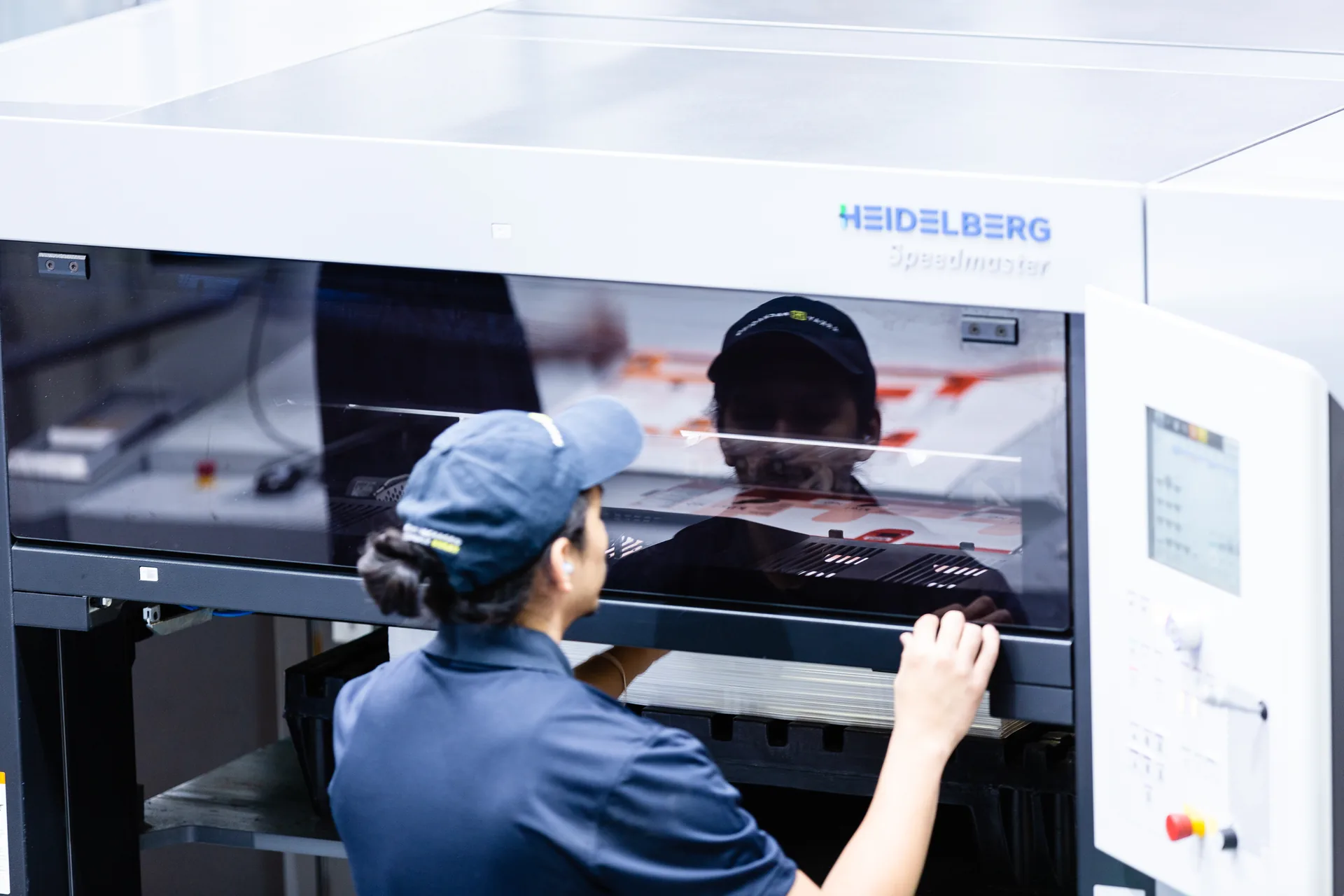
Arkay Packaging has produced consumer electronics and technology retail packaging for major telco carrier accessory programs and premium device brands. Consumer electronics at the $30+ retail price point is a category where Arkay’s manufacturing depth is directly applicable.
G7 Color Management for Multi-SKU Electronics Lines
Telco carrier accessory programs — accessories lines with dozens of SKUs across multiple product families — require color consistency that holds from the first carton to the forty-thousandth. G7 Master certification is how Arkay delivers it: color is calibrated to the approved proof on every press run, across every production batch. For electronics brands managing large accessory portfolios, the alternative to G7 certification is color drift — and color drift at scale reads as a brand that can’t hold its own standard.
Paint on Press® for Finish Differentiation
Electronics packaging at premium price points requires finish depth that reads as considered, not mass-produced. Paint on Press® delivers up to 20 finish variations in a single press pass — significantly reducing the additional production steps that typically separate ambitious packaging designs from what the timeline actually allows.
QR-Enabled Packaging and Authentication
Arkay offers QR-enabled packaging and packaging authentication solutions, with direct experience producing Amazon Transparency-labeled cartons for electronics clients. As serialization requirements expand — through Amazon’s evolving compliance programs and the EU’s Digital Product Passport mandate — the outer carton becomes the authentication layer. Arkay’s capability to integrate QR codes into folding carton production, including attention to finish interactions that affect scan performance, is directly relevant to brands navigating these requirements.
Sustainability Credentials
Arkay has held EcoVadis Platinum recognition consecutively since 2022 (top 1% of manufacturers globally), sources FSC, SFI, and PEFC triple-certified paperboard, and operates a CarbonNeutral® certified facility in Roanoke, VA. BRCGS packaging safety certification is also current for 2026. Per-project recyclability spec sheets — covering substrate certification and finish composition — are available on request. Arkay’s 2025 sustainability report.
Design Studio and Prototyping
Electronics product cycles move fast. Arkay’s Design Studio in Hauppauge, NY takes a concept — a dieline, a reference carton, a sketch — to a physical mock-up in as fast as one day, with production-ready prototypes typically following within 7–10 days, depending on urgency and project needs. Domestic manufacturing in Roanoke, VA — within 400 miles of the U.S. Mid-Atlantic, Southeast, and Midwest — shortens lead times and protects IP through the launch window.
Start A Conversation With Us
Let’s talk about the right retail packaging for your electronics brand — whether you’re launching a new product line, re-specifying an existing accessory program, or looking for a domestic manufacturing partner who can hold color consistency across every SKU. Bring a dieline, a reference carton, or a question. Let’s talk.
Frequently Asked Questions
What is consumer electronics packaging?
Consumer electronics packaging encompasses the full system of materials used to protect, present, and ship electronic devices — from the protective inner layer (foam inserts, molded pulp, ESD shielding) and transit corrugated cases, to the outer retail folding carton the consumer sees at shelf, online, and at unboxing. Each layer serves a distinct function: inner packaging handles shock and static protection; the outer retail box carries the brand’s commercial message, sustainability credentials, and first physical impression.
What makes electronics packaging sustainable?
Sustainable electronics packaging is defined by certification, not claims. For the outer retail box (folding carton), sustainability is anchored in FSC, SFI, and PEFC chain-of-custody certified paperboard, which verifies responsible forest sourcing through an independent audit. Beyond the substrate, manufacturer-level credentials such as EcoVadis Platinum recognition and CarbonNeutral® operations provide third-party proof that sustainability extends through the production process. The difference between a sustainable packaging claim and a defensible one is the presence of verified certification at both the material and manufacturer levels.
How do electronics brands use packaging for the unboxing experience?
Premium electronics brands engineer the unboxing moment with the same precision applied to the device itself. The outer folding carton sets the experience: close-tolerance die-line construction creates a clean, resistance-free open-reveal; tactile finishes (soft-touch laminate, embossing, foil) communicate premium quality through touch before the product is seen; and structural design — the fit of the lid, the depth of the tray — determines whether the unboxing feels considered or incidental. For electronics sold primarily online, unboxing performance is also content: a well-engineered carton gets filmed and shared.
What materials are used in consumer electronics retail packaging?
The outer retail box for consumer electronics is typically produced from SBS (Solid Bleached Sulfate) paperboard — a premium substrate chosen for its white-point brightness, surface smoothness for fine-line printing, and compatibility with tactile finishes. Caliper (board thickness) selection ranges from 14pt for small accessories to 28pt for premium, gift-positioned devices. Surface finishes include soft-touch lamination, foil stamping, spot UV, embossing, and debossing. FSC, SFI, and PEFC certified SBS board is the standard for brands with sustainability requirements or retailer audit expectations.
How does packaging protect consumer electronics?
Consumer electronics protection is a multi-layer system. The inner protective layer — foam inserts, molded pulp, or vacuum-formed trays — cushions the device against shock, vibration, and electrostatic discharge during transit. The outer retail folding carton provides structural support that protects the inner assembly from compression and handling damage in retail distribution. Each layer performs a distinct role: the inner layer is engineered for physics; the outer box is engineered for both protection and brand performance. Arkay produces outer folding cartons — not inner protective inserts.
Does Arkay produce consumer electronics packaging?
Yes. Arkay Packaging produces outer retail folding cartons for consumer electronics brands — the premium retail box that carries the brand’s identity at shelf, on Amazon, and at unboxing. Active electronics clients include telco carrier accessory programs and premium device brands. Arkay does not produce inner protective packaging (foam, molded pulp, ESD inserts) or corrugated shipping cases — Arkay’s product is the folding carton: the paper-based secondary retail box that is the consumer’s first physical encounter with an electronics brand.