
A retailer asks a brand to move to eco-friendly packaging. Or an investor asks whether the packaging already is. Or a marketing team wants to say so on the carton.
In each case the conversation runs for a while before somebody notices that nobody has said what they mean. One person is thinking about recycling bins. Another is thinking about carbon. A third is thinking about not using plastic. All three are asking reasonable questions, and they are not the same question.
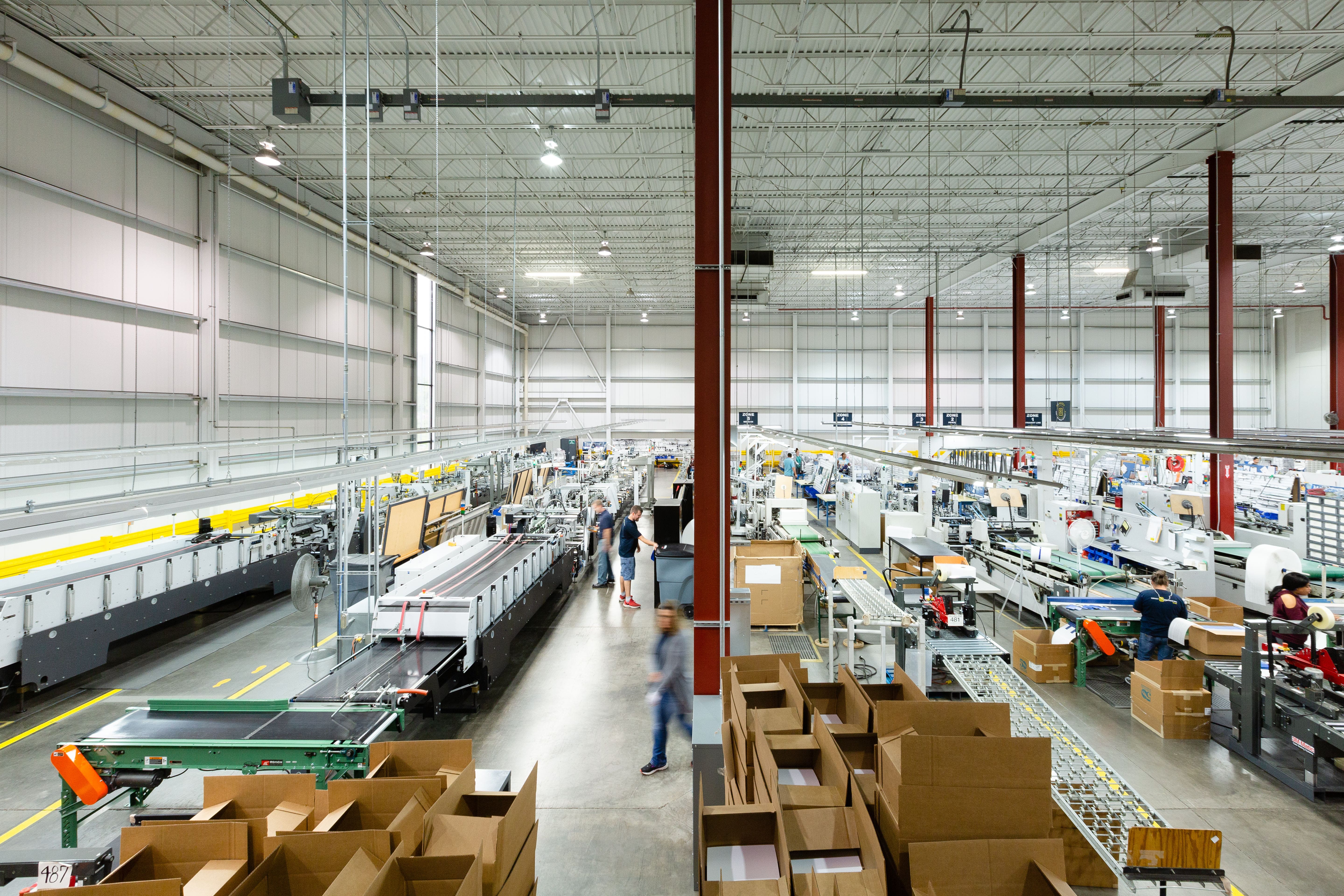
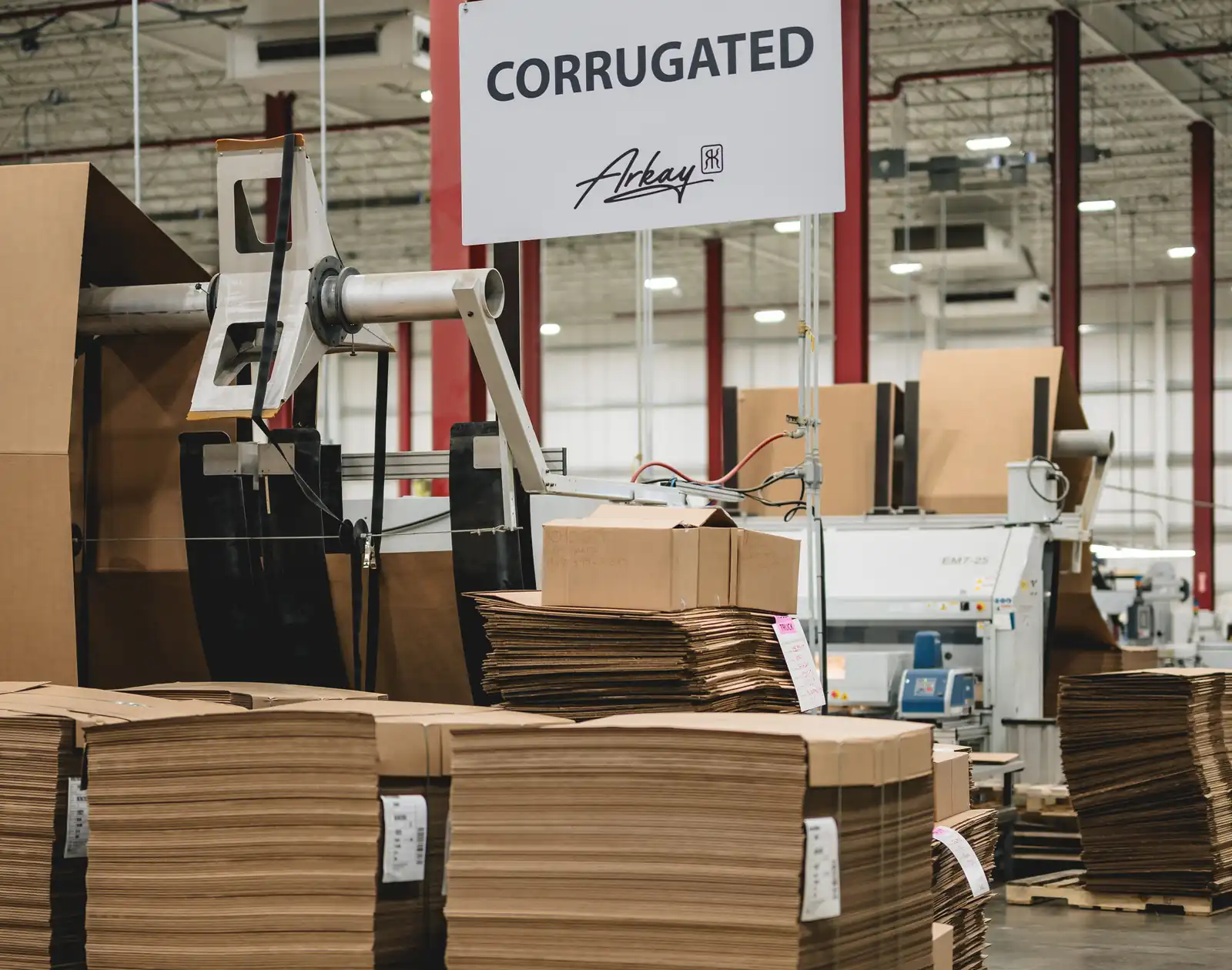
Arkay Packaging is a folding carton manufacturer with FSC, SFI and PEFC certified paperboard sourcing, an EcoVadis Platinum rating and carbon-neutral operations, which is why it describes specific credentials rather than calling its packaging eco-friendly.
This is about what the term can mean, and how to turn it into something answerable.
What is eco-friendly packaging?
Eco-friendly packaging is packaging chosen to reduce environmental impact on at least one measurable dimension: where the material came from, whether it can be recycled, how much recovered content it contains, the emissions behind producing it, or whether it replaces a material with a worse profile.
The phrase has no regulated definition, so it is not a standard a pack either meets or fails. It is a shorthand that stands in for whichever of those five dimensions the person using it has in mind. That is why two suppliers can both answer honestly and describe entirely different things, and why the first useful step is always to find out which dimension is being asked about.
Why the term has no fixed meaning
“Eco-friendly” is not regulated and has no standard definition in packaging. There is no threshold to meet and no body that assesses it.
Compare that with the claims sitting next to it. “FSC certified” has a defined scope, an assessing body and an audit trail. “Recyclable” has a technical meaning, even if local infrastructure complicates it. “Carbon neutral” is measured against a standard.
“Eco-friendly” has none of that, which is why two suppliers can both be completely honest and describe entirely different things. It is not a dishonest word. It is an unfinished one.
Eco-friendly packaging materials: the five dimensions
These are independent. A carton can do well on one and badly on another, which is the whole reason an unqualified claim carries so little information. Each one below is what the dimension means, then what actually changes on a folding carton.
Material source. Whether the fiber came from responsibly managed forest, and whether that can be traced through every business that handled it. In practice: FSC, SFI or PEFC certified paperboard with chain of custody documentation. It changes the sourcing answer and nothing else. More in certified forest supply chains.
Recyclability. Whether the carton can be repulped, meaning the fiber separated from the inks and coatings on it. In practice: an aqueous coating rather than a bonded film laminate, plus checking that any window, foil or adhesive stays inside the thresholds recyclers work to. Local collection still decides whether technically recyclable becomes actually recycled. Covered in recyclability.
Recycled content. How much recovered fiber the board contains, which is a separate question from whether it can be recycled again afterwards. In practice: a board grade carrying recovered content, accepting that recycled grades can print and score differently than virgin board. Worth prototyping before a launch commits to it. Covered in recycled content.
Carbon. The emissions from producing the packaging, and from the operations that made it. Two different measurements that get conflated constantly. In practice: tightening the structure so the carton uses less material, or sourcing from a facility with measured and compensated operational emissions. Covered in emissions and end of life.
Material substitution. Whether switching material improves the overall profile, which requires comparing like with like rather than assuming. In practice: replacing a rigid plastic component with paperboard, which only helps if the replacement performs. A carton that fails on the shelf and gets remade is worse on every dimension. Covered in alternatives to plastic packaging.
No single change makes packaging eco-friendly. Each answers one question, which is why the request has to be resolved into a specific question before anything gets specified.
What you gain by being specific
Resolving the term into a specific dimension is not a semantic exercise. Four things follow from it.
A requirement becomes quotable. “We need eco-friendly packaging” cannot be priced. “We need FSC certified fiber with chain of custody documentation” can be quoted, scheduled and delivered against.
Claims survive scrutiny. A specific claim tied to a specific certification holds up when a retailer, a regulator or a journalist checks it. An unqualified adjective invites the question you cannot answer.
You stop paying for the wrong improvement. Each dimension is independent, so a change that improves recyclability may do nothing for carbon. Knowing which one is being asked about stops budget going to an axis nobody was measuring.
Iteration stops. The vague version cannot be delivered against, so it produces rounds of revision rather than progress. That is the practical cost of leaving the term unresolved, and it is usually the one that hurts.
How each claim gets evidenced
Each of those five has a corresponding form of proof, and certifications are the usual one. That is what moves a claim from adjective to statement.
The catch is that each certification covers a narrower slice than people assume. FSC certifies fiber sourcing and says nothing about the press run. EcoVadis rates the company and not the carton. BRCGS is a safety standard that regularly appears in sustainability sections where it does not belong. Knowing what each one leaves out is what stops accurate evidence supporting an inaccurate claim, and that is covered properly in packaging certifications.
Turning a requirement into a specification
The practical move, whenever the request arrives, is asking which of the five is meant. Three examples of how that reframing goes:
- “We need eco-friendly packaging” becomes “we need certified fiber sourcing with chain of custody documentation”, which is a specification a manufacturer can quote against.
- “Make the packaging more sustainable” becomes “reduce the material in the carton without losing structural performance”, which is a structural design brief with a measurable outcome.
- “Our packaging should be recyclable” becomes “the carton must be accepted in curbside paper collection in these markets”, which turns a general aim into a coating and substrate decision.
Each reframing produces different work, different evidence, and a different answer. That is the point: the vague version cannot be delivered against, so it produces iterations instead of progress. If the request came from a procurement process, sustainable procurement covers that side of the conversation.
The credentials Arkay leads with
We lead with credentials because they are stronger than the adjective: FSC, SFI and PEFC certified paperboard sourcing, EcoVadis Platinum at company level, BRCGS packaging safety certification, and CarbonNeutral certified operations. Each one is checkable, dated and scoped, which is what makes it useful to a buyer assembling evidence.
That is a precision choice rather than a modest one. “Eco-friendly” would tell you less than the list does, because you would still have to ask which of the five questions we meant. Naming the credentials answers three of them outright and tells you exactly where to look for the rest. Our sustainability report sets out the detail, and for category-specific requirements our food and nutraceutical packaging work is a reasonable starting point.
Bring us the requirement
“Eco-friendly” is five questions wearing one label. Ask which one is being asked, then ask what evidence covers it, and a conversation that was going in circles becomes a specification.
That translation is work we do routinely. Send us the requirement as you received it, in whatever wording your retailer or your internal team used, and we will tell you which of the five dimensions it is actually asking about, which of our certifications covers it, and what it means for the substrate, the coating and the structure of your carton. Where the answer is that none of our marks cover it, you will get that too, along with the mark that does.
Two places to start. The scope and dates of each credential sit in our sustainability report, and the materials and formats side is covered in sustainable packaging solutions. Or skip both and send us the brief.
Frequently Asked Questions
What is the most eco-friendly packaging?
The question cannot be answered as asked, because there is no single scale to rank against. Packaging made from certified fiber might score well on sourcing and poorly on recyclability if its coating interferes with repulping. Packaging with high recycled content might carry more transport emissions than a locally made alternative with less. Packaging that is technically recyclable is not recycled if the local stream does not accept it. The useful version of the question names a dimension: which is the best option for recyclability, or for certified sourcing, or for emissions?
Is eco-friendly packaging more expensive?
It depends entirely on which change is being made, and the honest framing is total cost rather than unit cost. Some changes reduce cost, because specifying a lighter caliper or eliminating an unnecessary finishing pass removes material and process at the same time. Some changes add cost, particularly where a material is scarcer or a certification requires audited chain of custody. And some apparent savings reverse later through rework, rejected batches, or a claim that has to be withdrawn. The most reliable way to control it is specifying precisely, because vague requirements are what produce expensive iterations.
What makes packaging eco-friendly?
Five different things, and they are independent of each other. Where the material came from, which is a sourcing and chain-of-custody question. Whether it can re-enter a recycling stream, which depends on substrate, coatings and local infrastructure. How much recovered material it contains. What emissions its production caused. And whether it avoids a material with a worse profile. A given carton can perform well on some of these and poorly on others, which is why an unqualified claim tells you very little.
Is paperboard packaging eco-friendly?
It has real advantages and the answer still depends on specifics. Paper fiber is renewable and widely accepted in recycling streams, which is a genuine structural advantage over several alternatives. But the sourcing matters, which is what FSC, SFI and PEFC certification addresses, and the finishing matters, because coverage and the specific coating decide whether a carton repulps cleanly rather than the coating type alone. So paperboard is a good starting point rather than an answer, and the specification is where it is decided.
How can I tell if a supplier’s eco-friendly claim is real?
Ask two questions. Which dimension does the claim refer to, and what evidence supports it? A specific claim names a scope and cites something checkable: this paperboard is FSC certified, these operations are carbon neutral, this company holds a particular rating from a particular assessor. A claim that cannot be traced to a scope and a piece of evidence is an adjective. Certifications are the usual form of that evidence, and each one covers a narrower slice than people assume, which is worth understanding before relying on it.