
Flexo Coating vs. Flexo Printing: What the Terms Actually Mean
Flexographic printing lays down an image, using flexible relief plates on a rotary press, and is at home on film, labels, and corrugated board.
Flexo coating applies a coating over an image already printed another way. The units are flexographic in mechanism, which is where the shared name comes from, but they print nothing.
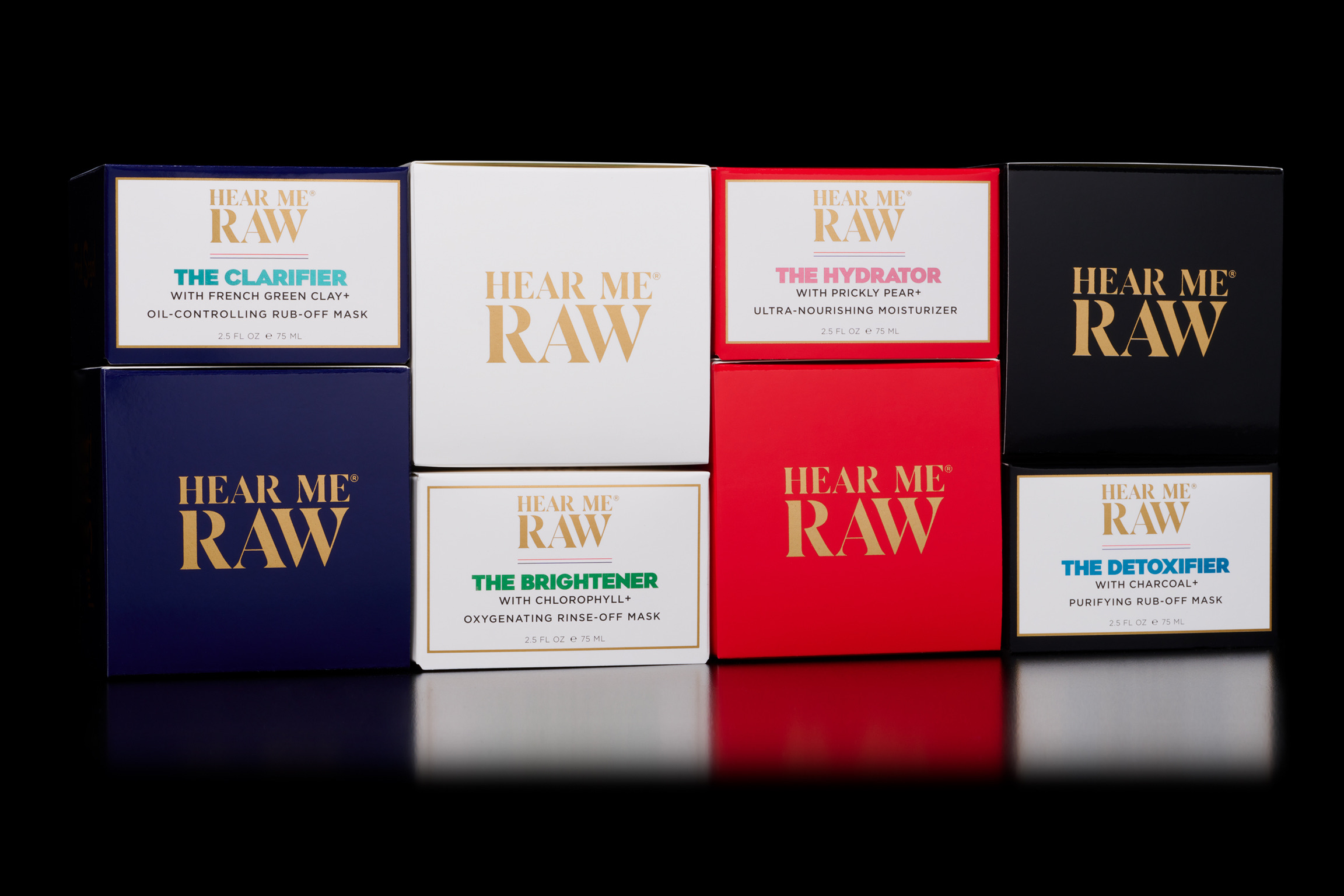
Arkay prints offset on SBS paperboard. Its flexo units are coating stations connected to the main press, and Arkay does not operate flexo as a printing process. Worth stating plainly, because a brand team comparing suppliers can read one capability as the other. How coatings are applied on press is covered in our guide to aqueous coating.
What Inline Flexo Coating Produces
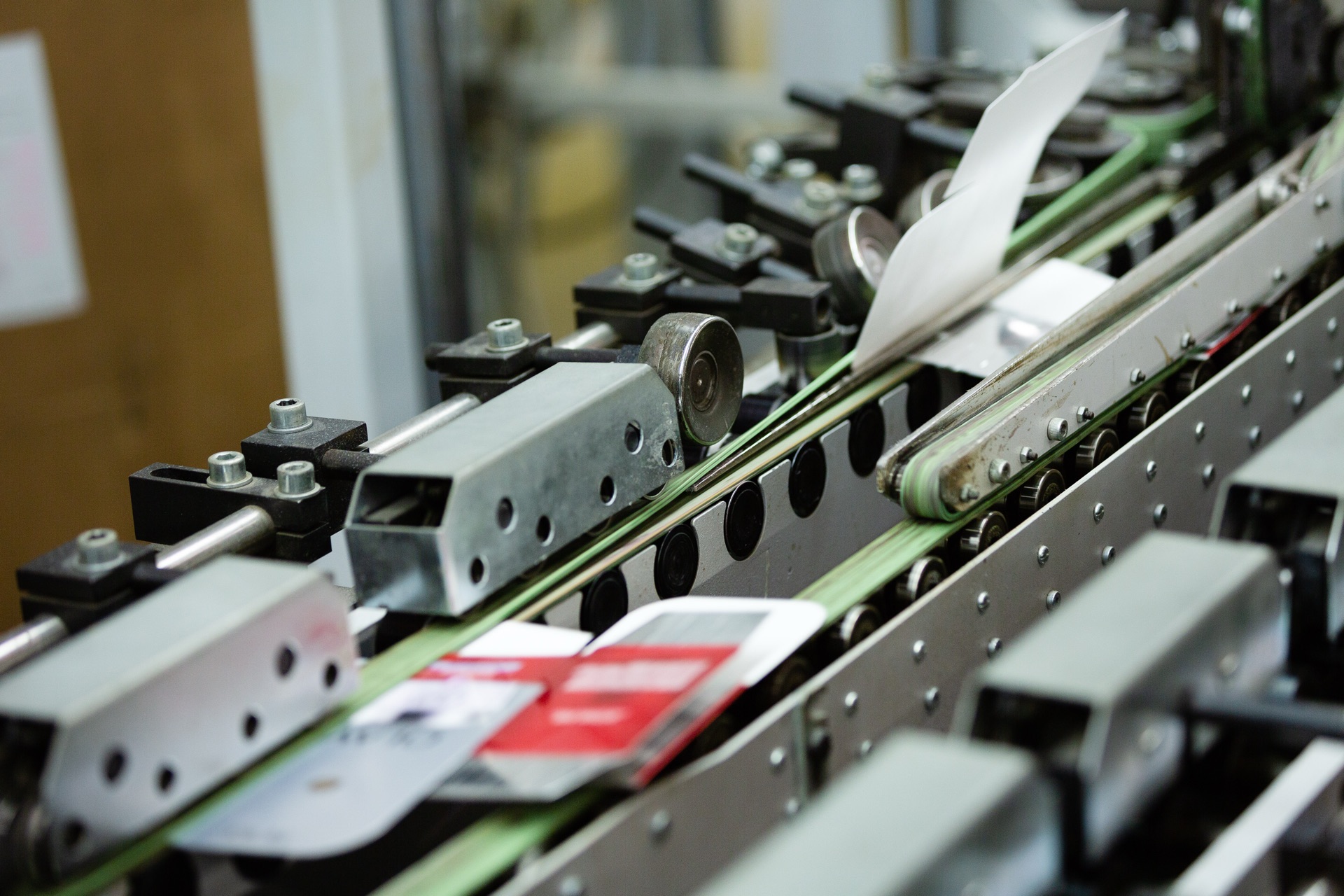
The effects are decorative: pearlescent, gold, and silver. Arkay's main press carries two double flexo coating units, which apply them to the sheet while it is still moving through the press, in the same pass that lays down the printed image.
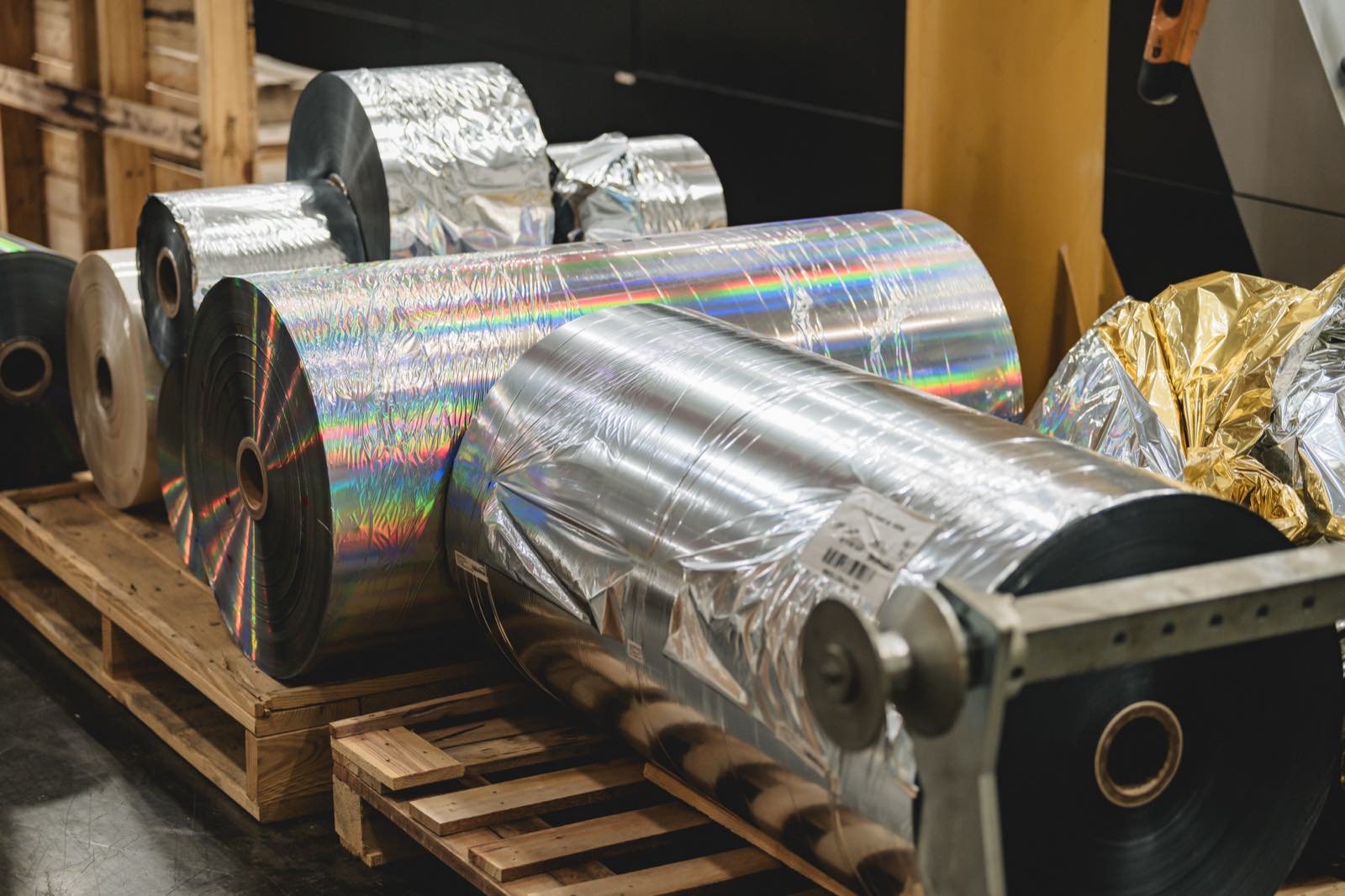
A pearlescent coating produces optical depth: the finish catches light differently as the carton turns, giving a surface a luster flat ink cannot. Gold and silver read as metallic across whatever area they cover, not as a separate applied layer.
Flexo Coating, Cold Foil, and Hot Stamping
Treating this as a two-way choice between coating and foil is the mistake that costs money, because foil is not one process. Cold foil and hot stamping give different results and run differently on the floor.
| Inline flexo coating | Cold foil | Hot stamping | |
|---|---|---|---|
| What it is | An effect coating applied over the printed image | A metallic leaf transferred onto a printed adhesive and cured under UV | A metallic leaf transferred by a heated die under pressure |
| How it reads | A sheen within the printed surface, shifting with the light | A true metallic, tintable to a target color | The brightest and clearest metallic of the three |
| Fine type | Follows the printed artwork | Handles very fine type well, because the adhesive is printed | Needs care, as heat and pressure can push leaf between letters |
| Production | Runs in the primary press pass | Runs inline, in the same press pass | A separate offline pass on its own machine |
| Tooling | None | None | A stamping die, charged separately |
Why hot stamping looks brighter. Its leaf carries significantly more aluminum, and the heated die smooths that leaf as it transfers, producing greater shine and clarity. Cold foil cannot carry as much, because a UV ray has to pass through the film to cure the adhesive printed beneath it. The trade is simple: hot stamping buys brilliance and requires an offline pass plus tooling; cold foil gives up some brilliance and requires neither.
Where the fine-type intuition runs backwards. It is tempting to assume the die-based process is the precise one. For very fine type it is often the opposite: cold foil's pattern is a printed adhesive, so it holds fine copy cleanly, while heat and pressure can push a hot stamping leaf into the spaces between letters. Hot stamping handles fine copy and large solids well, but fine type is the case to check rather than assume.
Foil mechanics in full are in our guide to foil stamping.
Coverage Economics: Inline or a Second Pass
Two variables move the cost of a metallic effect, and process is only one.
The pass. Inline flexo coating and cold foil both happen during the press pass that was already going to occur. Hot stamping is a discrete step, where sheets leave the press for a stamping machine, adding handling, calendar time, and a die. Across a full production run, that is every sheet passing through an operation the inline routes skip.
The coverage. In all three, the area decorated drives the material used: a metallic across a whole panel consumes more than a front-panel logo, whichever process puts it there.
Which produces a specification question worth raising early: on a carton whose finishing was set years ago and carried forward since, a legacy hot stamp is usually the first element to review against cold foil. The two can read close on the shelf while running very differently on the floor. The exception is an effect that genuinely needs hot stamping's brilliance.
What Happened to Metallic Inks
Metallic ink was once the default route to a metallic look, and has largely given way to cold foil, at Arkay and across the industry. Cold foil comes up shinier and brighter than ink run through a litho press, and metallic ink tarnishes as ink and water balance shifts through a run, so the last cartons can read differently from the first.
Two caveats. Metallic inks run conventionally rather than under UV do print brighter, though they tarnish the same way. And they have not disappeared: the premium ones sit close to cold foil on specification, which is why they still appear.
Where Flexo Coating Fits Alongside Other Finishes
Most premium cartons combine more than one. Spot gloss creates contrast by varying sheen rather than color, covered in our guide to spot UV coating.
Tactile finishes work on touch rather than light. Soft-touch lamination is a film applied over the board to produce a matte, low-friction surface. Arkay does not offer it. What Arkay runs is inline soft-touch aqueous coating, which reaches a similar tactile result without a laminated layer, with recyclability anchored to the underlying paperboard. It comes in a water-based form and a UV form, the UV giving greater rub resistance. Either way a soft-touch surface scuffs more readily than a high-gloss UV coating, and the marks show most over dark colors. Both are compared in our guide to soft-touch lamination.
Textured coatings are routinely confused, and both run inline. A reticulated coating gives a crinkled, orange-peel surface and runs inline alongside standard UV. A motion coating goes down in a developed pattern, whatever the design calls for. Two effects, not two names for one.
Relief changes the surface itself and pairs well with a metallic, covered in our guide to embossing vs. debossing.
Sequence matters when these are combined: a coating changes the surface a foil bonds to, and where foil and embossing both appear, the foil goes on first and the emboss is struck afterwards.
How Arkay Runs Inline Flexo Coating
Two double flexo coating units are connected to Arkay's main press, producing pearlescent, gold, and silver effects in the same pass as the offset print. The work spans cosmetics packaging, personal care, spirits, and lifestyle brands: the categories where a surface effect does real work at the shelf. Founded in 1922 and now four generations into family ownership, Arkay has built its finishing capability over that span.
Which effect suits a carton is a conversation rather than a catalog choice, and it belongs alongside the structural and print decisions rather than after them.
Talk Through the Finish Before the Artwork Locks
If you are weighing a pearlescent or metallic effect, the useful moment to discuss it is while the artwork is still open, because coverage area and finishing sequence both shape what the design can do. Get in touch with our finishing team.
Frequently Asked Questions
What is inline flexo coating in packaging production?
Inline flexo coating is a decorative coating applied to a printed sheet by flexographic units built into the press, in the same pass that prints the carton. On folding cartons it produces pearlescent, gold, and silver effects. Because the stations sit in the press line, no separate finishing operation is needed.
Is flexo coating the same as flexo printing?
No, and the shared word causes real confusion. Flexographic printing lays down an image, most often on film, labels, and corrugated. Flexo coating applies a clear or effect layer over an image already printed another way. Arkay prints offset and uses its flexo units for coating only.
When would a brand choose a flexo pearlescent or metallic coating over foil stamping?
Choose the coating when the effect should read as a sheen within the printed surface rather than a true metallic. Choose foil when you want an actual metallic, then pick between the two kinds: cold foil runs inline, tints to a target color, and holds fine type well; hot stamping runs offline with its own tooling and is brightest.
Does a pearlescent flexo coating look the same as a metallic foil?
No. A flexo pearlescent or metallic coating gives a soft luster that shifts as the carton moves under light, sitting within the printed surface rather than on top of it. Foil is a distinct metallic layer with a harder brightness, and hot stamped foil is brighter still than cold foil, because its leaf carries more aluminum and the heated die smooths it.
Does inline flexo coating add a production pass, or extra cost, compared to foil stamping?
It depends which foil. Inline flexo coating and cold foil both run during the primary press pass, so neither adds a production step. Hot stamping is a discrete offline operation, adding handling, schedule time, and a die charged separately. Cost also scales with the area decorated.
Can a pearlescent coating and foil stamping appear on the same carton?
Yes, and it is common on premium packaging. A pearlescent coating can carry the broad surface effect while foil handles a mark that needs maximum brightness. Specify them together, because the coating affects the surface the foil bonds to, and settle sequence before artwork is final.