
A press check is the last chance to see a folding carton the way it will be produced before thousands of sheets follow. This checklist covers what to prepare, what to look for on the sheet, how to sign off, and what still needs checking on the finished carton. Arkay Packaging, a family-owned folding carton manufacturer founded in 1922 and now in its fourth generation, runs offset presses on SBS paperboard under G7 color management certification.
What Is a Folding Carton Press Check?
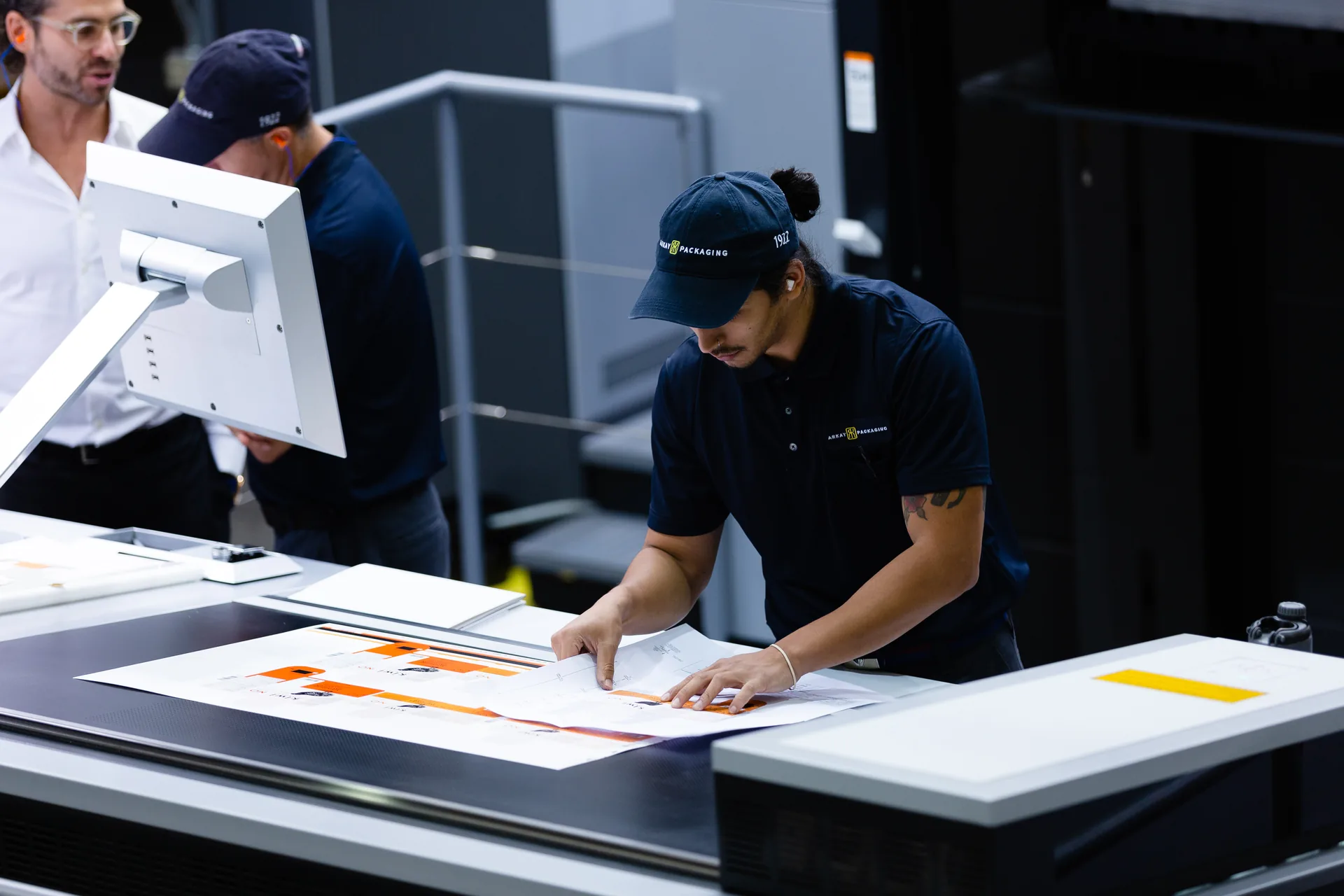
A folding carton press check is a quality review held once the press is ready and the first good sheets are coming off it, while the full run waits. The main job is matching color on press to the approved reference, and it also confirms that every requested correction made it onto the plates. A sheet usually holds the same carton laid out several times, so every position on it gets checked.
For folding cartons, it is often the first time the artwork, inks, SBS board, and inline coating are seen together. Proofs made in packaging prepress predict that result as closely as the proofing method allows, which is why the sheet itself still has to be checked.
The Folding Carton Press Check Checklist
Work through it in order: Prepare before the press is ready, judge the sheet against your references, sign one sheet as the standard, then check finished cartons once they are converted.
Before the Press Check
1. Confirm the artwork version: Know the final file and any late changes, and make sure the sheet carries that version on the current structure. Our guide on what a dieline is explains why artwork and structure must match.
2. Bring physical color references: Signed proofs, ink drawdowns (the actual ink spread on the actual board), or a previous production carton. A physical standard carries a brand color from run to run, as our guide to switching packaging suppliers explains.
3. Confirm material and finishing specifications: The agreed board, caliper, coating, and finishes.
4. List the critical brand elements: The colors, logos, panels, and details that matter most, so they are reviewed first.
5. Know who signs: Decide who has final approval authority, and how a remote approval will be documented, so the press does not stand still waiting for an opinion.
On the Press Sheet
1. Substrate: Check the board type, caliper (thickness), weight, shade, and finish against the approved sample, for example 18pt SBS. Board shade changes how every color reads.
2. Color and lighting: View the whole sheet beside the approved reference under the agreed standard light, usually D50 viewing at about 5,000 Kelvin, a controlled source that approximates daylight. Compare the same panel at every position on the sheet while the operator adjusts ink density (how much ink is laid down) and balance, and judge brand colors, including any Pantone Matching System color, against the physical reference, never a screen.
3. Registration and fine detail: Put a print loupe, a small magnifier, on the registration marks and the finest edges. Halftone dots (the tiny dots that build up printed tones) under the loupe are normal; colored slivers past an edge, doubled outlines, or small type that has filled in are not.
4. Layout and dieline elements: Check panel placement across the repeated layouts, bleed (artwork carried past the cut lines so no white edge shows after cutting), and coating or heavy ink kept out of glue areas. Read text, barcodes, and Braille where the carton carries it, and agree who grades barcodes with a verifier, since a loupe catches only obvious defects.
5. Print defects and coverage: Scan for hickeys (specks caused by dust or debris), scratches, streaks, set-off (wet ink transferring onto the next sheet), and mottled or uneven solids.
6. Inline coating: Where an inline aqueous coating runs in the same pass, judge color under the coating and check that the sheen is even.
Signing Off
1. Sign one reference sheet: Mark, date, and keep the specific sheet you approve, with the artwork version and color reference it was judged against, so the press team has a benchmark through the run.
2. Record anything still open: Note the exact position of any change, and review a fresh sheet once it is made.
After the Press
1. Keep comparing the run: One approved sheet cannot vouch for the thousands that follow, so running sheets are pulled and compared against it.
2. Check finished cartons separately: A flat sheet does not show folding, creasing and scoring, cutting, gluing, or off-press finishes such as foil and embossing. Die cutting separates and creases each carton before folding and gluing, and packaging quality assurance continues through final inspection, so schedule a review of converted carton samples.
Changes requested after sign-off can affect schedule or cost, because plates, ink, and press time are already committed.
Should a Brand Attend a Press Check?
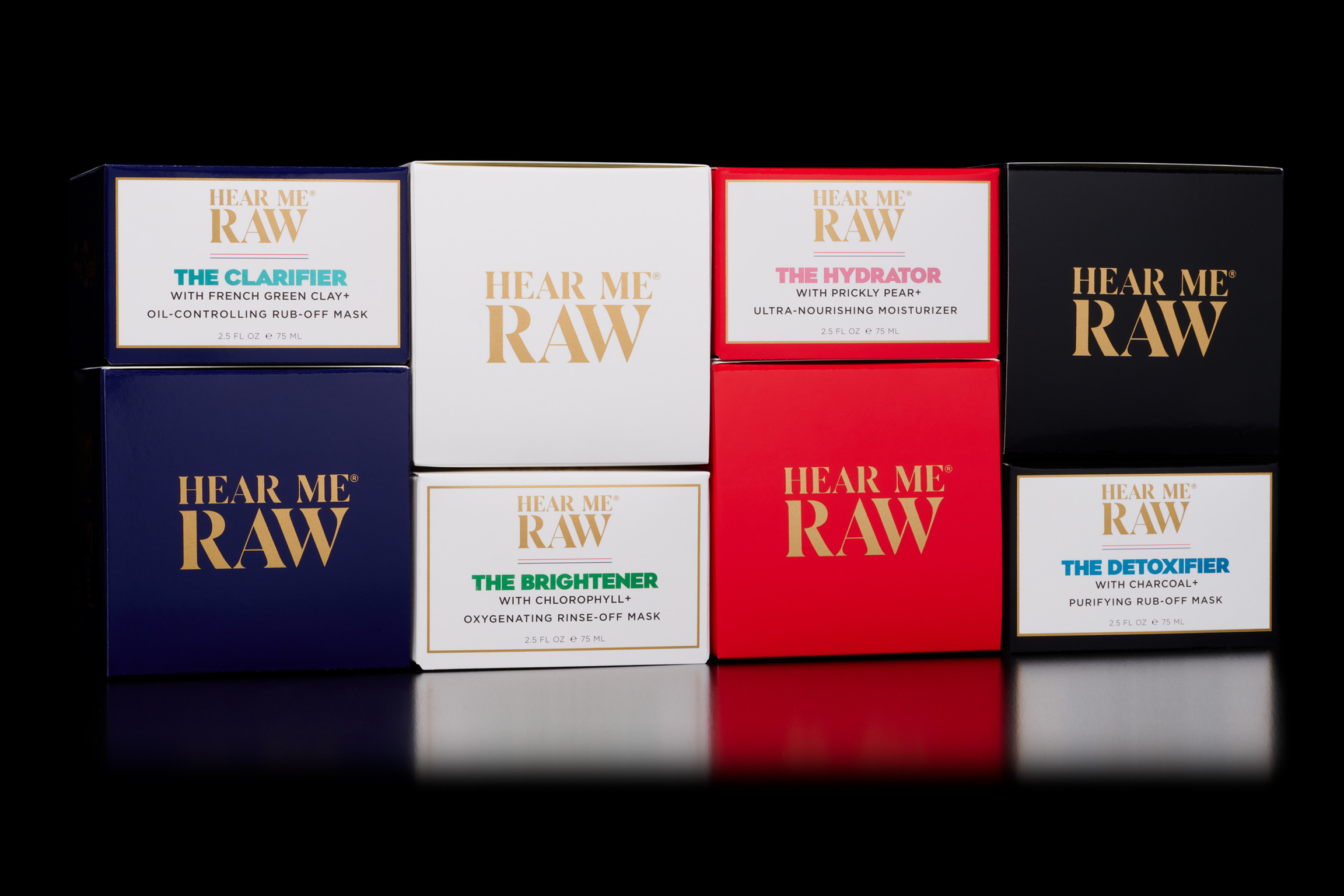
Attending pays off when the risk of a miss is highest: A first run, a new brand color, a new board or coating, or a launch where the carton carries the product’s positioning, as in many cosmetics packaging programs. It is not mandatory for every job.
Being there lets the brand judge actual colors on the production board, settle questions with the press team on the spot, catch discrepancies while they are still affordable to fix, and see what the press can and cannot change.
A repeat carton with an established standard often does not need a visit. Alternatives to agree with the manufacturer include sending a trusted representative, approving against measured targets set in advance, or approving remotely from data and images.
How Does a Press Proof Differ From a Press Check?
A press proof is a sample printed on press before the job, while a press check reviews the production run itself. Each stage validates something different, so they are not interchangeable.
How Arkay Holds the Approved Standard Through the Run
At Arkay, cartons print offset on SBS board between 14 and 28pt, a measure of board thickness in thousandths of an inch. Arkay’s four presses are calibrated under G7 color management certification. Each one checks color with an instrument and adjusts to the measured value, not to what an operator sees: One press reads the color bar during the run, and the other three scan sheets once they are printed. The plant’s quality system is BRCGS packaging safety certified.
Arkay’s coatings include UV and aqueous. Aqueous goes on inline, and two double flexo coaters linked to the press add pearlescent, gold, and silver effects in the same pass, so coated color can be reviewed on the sheet itself.
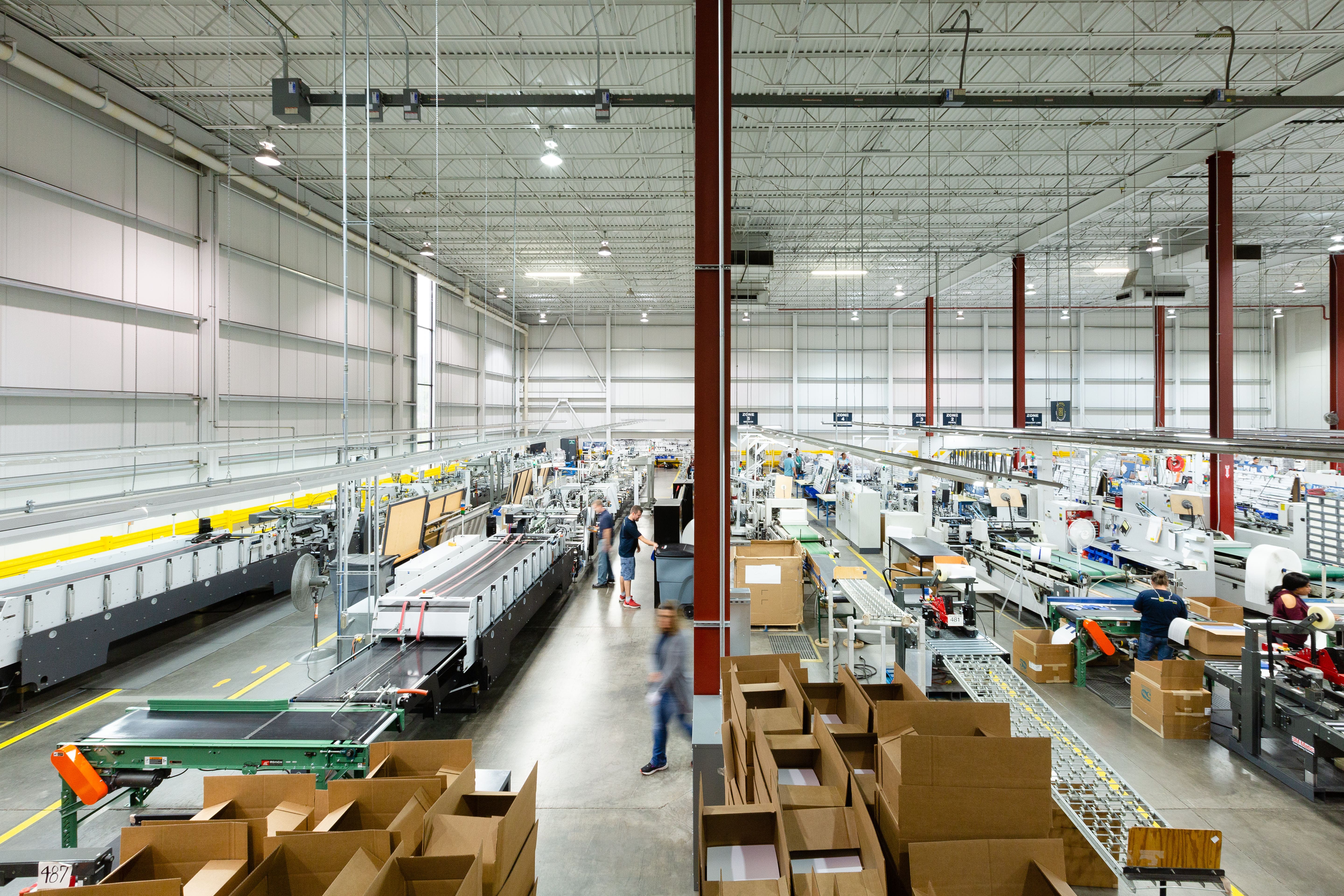
The Roanoke, Virginia plant, 140,000 sq. ft. and carbon-neutral, keeps printing, die-cutting, gluing, and finishing in one building. AI-powered defect detection on the presses and gluers flags print and glue faults as they occur, before one fault repeats across a run. Between runs, Arkay keeps every brand’s approved color standard on file, so a reorder is measured against that first approval rather than the last delivery. Explore Arkay’s manufacturing capabilities for the full process.
Talk Through Your Carton Approval With Our Team
Let’s talk about your next carton. Share your artwork, color references, and timeline, and our team will explain how approval works for your job, from the first press sheet to the finished carton. Start the conversation.