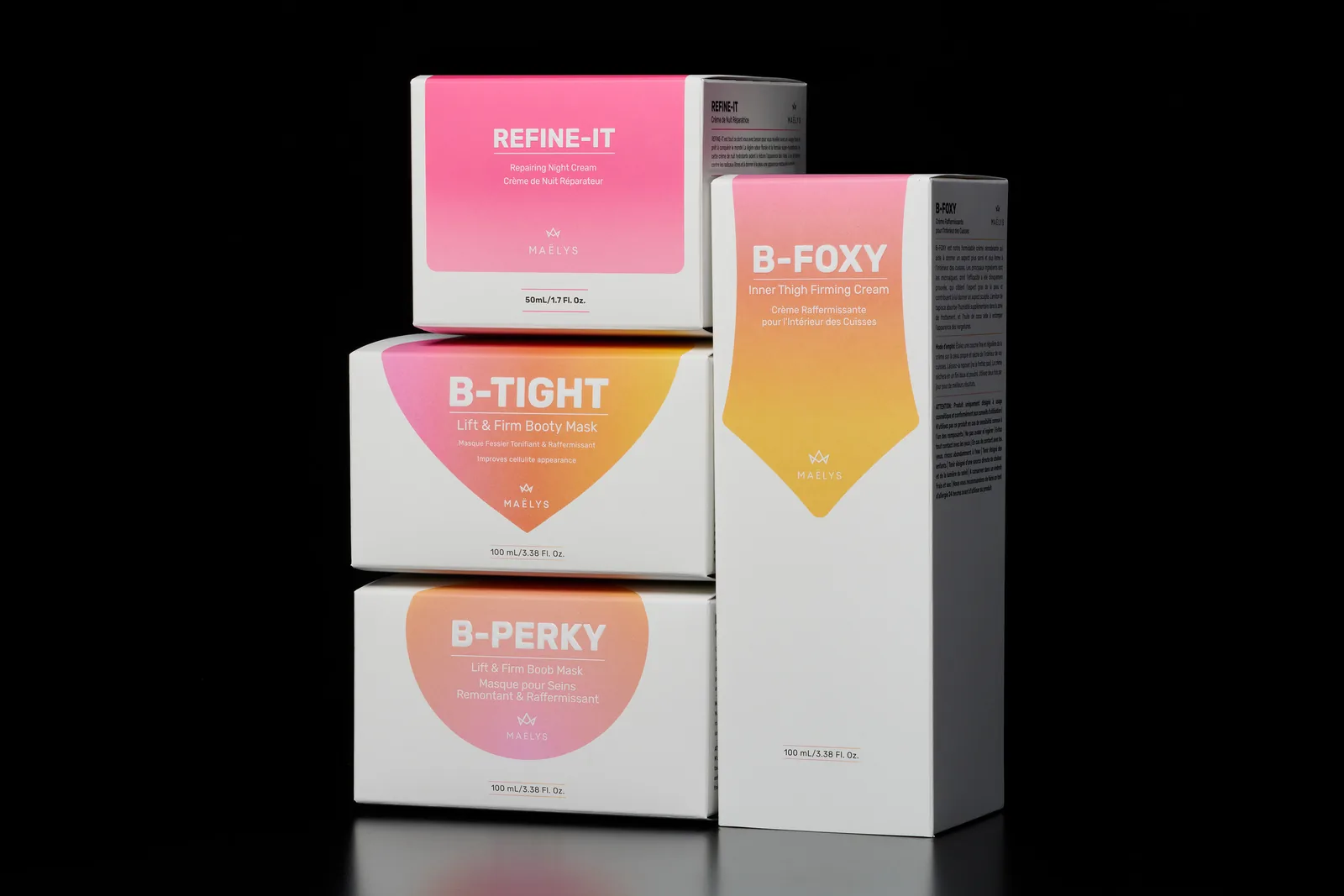
Limited edition packaging is a version of a product’s packaging released for a fixed quantity or a fixed time. It works because it gives shoppers a reason to buy now and a box worth keeping, and it pays off when the structure, board, and color standard stay the same as the core line.
Why Brands Use Limited-Edition Packaging
- Scarcity and urgency: Limited quantities or fixed release windows encourage faster buying decisions.
- Brand recognition: The design updates look fresh and collectible while keeping core brand elements, like logos and shapes, intact.
- Storytelling: It transforms everyday products into cultural moments, anniversary celebrations, or artistic collaborations.
- Collectibility: Unique finishes turn boxes or bottles into keepsakes that consumers value past the product itself.
The scarcity effect is well tested. A 2022 meta-analysis in the Journal of Retailing, pooling 131 studies, found that scarcity raises purchase intention. A 2011 study in the Journal of Advertising adds the detail that matters for premium brands: Limited-quantity messages worked better than limited-time ones, especially for symbolic brands that people buy partly to say something about themselves.
How Limited Edition Packaging Creates Impact
A limited edition rarely changes what is inside. Its impact comes from four moments the box controls.
At the Shelf
Returning shoppers stop seeing a pack they walk past every week. A new carton breaks that pattern and gives the brand a reason to be noticed again, without reformulating anything.
In the Hand
Finish is where an edition earns the word “special.” Foil, embossing, a pearlescent coating, or a heavier board tells the buyer this release was made with more care, which is why premium spirits packaging and prestige fragrance lean on finishes for anniversary and holiday runs.
On Camera
A well-made edition gets unboxed, photographed, and shared, which extends its reach far beyond the shelf. Holiday cartons in particular have to work as part of the opening moment, which our guide to the holiday unboxing experience covers.
After the Purchase
The edition that gets kept on a dresser or a bar shelf keeps working for the brand long after the product is used up.
The claim has to be credible for any of this to work. A 2021 study of beverage packs in the Journal of Business Research found that limited editions holding exactly the same product can lower purchase intention when they look less valuable than the regular pack, and a study accepted by the Journal of Retailing in 2025 found that editions which sell out instantly can hurt long-term loyalty among buyers who missed out. If the carton says limited, the run should end, and the box should look worth keeping.
Limited Edition Packaging Trends
Five directions stand out in how brands are using limited editions now.
- Collaborations with artists and other brands: An outside designer or partner supplies the artwork, so the carton carries two identities and the approval chain gets longer.
- Heritage and anniversary releases: Brands with a long history revisit archive designs or mark a milestone year, often with a heavier board and a richer finish.
- Cultural and seasonal moments: Beyond the winter holidays, brands release editions for Lunar New Year, regional festivals, and local events, which makes regional versioning part of the plan.
- Finish-led editions: Instead of redesigning the whole carton, the brand keeps the artwork and changes the finish, such as foil, embossing, or a pearlescent coating, to signal the release.
- Responsible editions: Shoppers notice oversized seasonal packs with more packaging than product, so editions are increasingly right-sized, printed on certified board, and designed to be kept or recycled. Our sustainability credentials set out the certifications behind the board we use.
Pros and Cons of Limited Edition Packaging
How to Produce a Limited Edition Carton
The cost and speed of an edition depend mostly on what you leave alone. A folding carton is made with several separate tools, and each one is triggered by a different kind of change.
The cutting die is the tool that shapes the carton, which is why an edition on the core structure is the efficient one to run. Our explainer on die cutting covers what that tool does, and the guide to a graphic refresh versus a structural change covers the same boundary for permanent redesigns. When you ask a supplier whether an edition can run “without new setups,” ask instead which tools carry over, who holds them between editions, and how long they are kept.
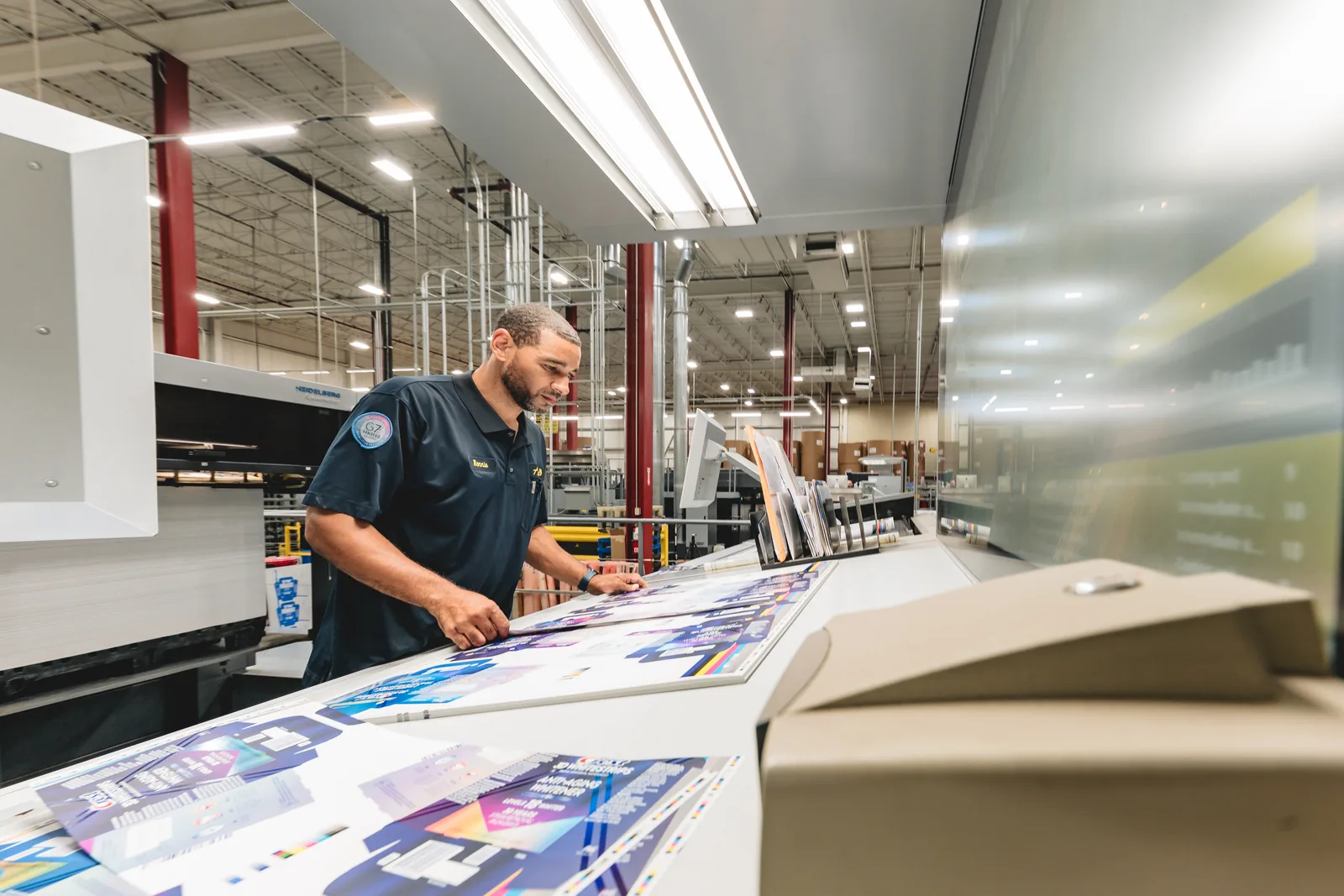
To keep the edition on color with the core line, print on the same board, approve against the brand’s color standard rather than the last carton that shipped, and proof the edition sheet beside a core-line carton under the same light. Specify brand colors as Pantone spot colors where they must match exactly, and let finishes carry the “special” signal so the brand color does not have to move. G7 color management is what lets an edition printed months after the core run still match it.
Then size the run to the promise. If the edition is capped at a stated number, that number plus your fill-line allowance is the order; if it is capped by time, size it to a realistic sell-through forecast and agree in advance what a top-up run would take. Work backward from the date cartons need to reach your filler, and settle what changes first, since that decision sets the tooling and most of the timeline. Our guide to cosmetic packaging lead times breaks the carton calendar down stage by stage.
How Arkay Runs Multi-Edition Carton Programs
With four generations of family ownership and a 140,000 sq. ft. facility in Roanoke, Virginia, Arkay runs versioned programs as a core part of its work. Our proprietary Paint on Press process, developed under Chairman Emeritus Howard Kaneff, produces up to 20 variations from one setup, so a family of seasonal or regional editions on a shared structure does not become a separate press setup for each one. Any edition that needs new foil or emboss art still needs those dies made.
Color is held under G7 color management certification, and finishing runs in-house: Emboss and deboss held to a registration tolerance of ±0.3mm, so the raised design lands on the printed artwork it is meant to frame; foil stamping; and inline flexo coating for pearlescent, gold, and silver effects. Arkay’s Design Studio in Hauppauge, New York, typically turns a concept into a physical mock-up within a week. Arkay does not work to a fixed minimum order quantity; each project is evaluated case by case, as our short-run packaging program explains.
Plan Your Next Edition Before the Artwork Locks
Let’s talk about the edition you have coming up.
Send us the core carton, the editions you are planning, and the dates they need to land, and we will tell you what carries over and what has to be made new.
Reach out to Arkay’s team to start the conversation.