
The main packaging printing methods are offset lithography, flexography, rotogravure, digital, screen, and letterpress. The package format decides most of the choice: folding cartons are mostly printed offset, corrugated boxes and labels mostly flexo, and flexible film mostly flexo or gravure.
Ask a printer which method your packaging needs, and the honest first answer is “it depends on the substrate.” That is where the decision starts, not where it stalls. Each of the main packaging printing methods was built for a different material and run length, and once you know what each one does well, the right choice for a box, a label, or a pouch becomes clear. Arkay Packaging, a family-owned folding carton manufacturer founded in 1922, prints premium cartons sheetfed offset on SBS paperboard, and this guide explains all six methods the same way: how each one works, what it is best for, and its pros and cons.
What Are the Main Printing Methods for Packaging?
The six main printing methods for packaging are offset lithography, flexography, rotogravure (gravure), digital, screen, and letterpress. Three of them, offset, flexo, and gravure, print most packaging by volume, while digital, screen, and letterpress serve shorter runs and specialist work.
The format split is clear in the market data. According to Smithers, reported by the Flexographic Technical Association, sheetfed offset accounted for 74.7 percent of folding carton print value in 2020, while flexo accounted for 73.8 percent of corrugated print value and 43 percent of label print output. The package format decides most of the answer; volume and artwork narrow it from there.
6 Common Packaging Printing Methods
Each method below is described in the same four parts (how it works, best for, pros, and cons), so they can be compared side by side.
1. Offset Lithography
- How it works: the image sits on a flat plate. Ink sticks to the image areas while a thin film of water keeps the rest of the plate clean, and the inked image passes to a rubber blanket before it reaches the sheet. Sheetfed presses print individual sheets; web-fed presses print from a reel for very long runs such as publications.
- Best for: folding cartons and other packaging on smooth paperboard, at medium to long runs.
- Pros: sharp reproduction of fine text and detailed graphics, consistent color on smooth board, and coatings that can be applied inline in the same pass.
- Cons: each color needs its own plate, and the press needs make-ready, so setup is spread across the run. It is built for flat, smooth stock rather than corrugated board or film.
The full mechanics are covered in our guide to how sheetfed offset prints a folding carton.
2. Flexography (Flexo)
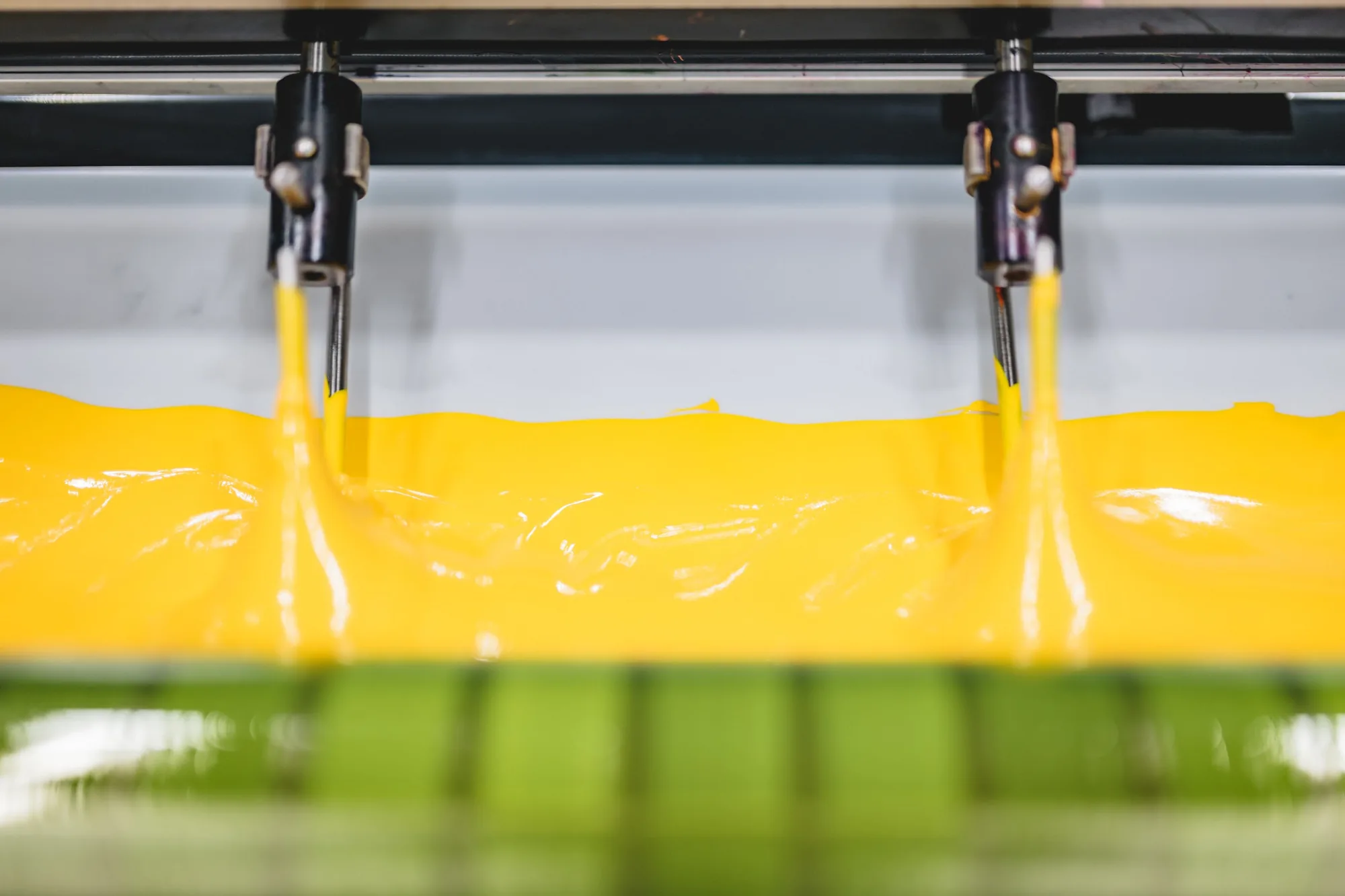
- How it works: a flexible plate carries ink on its raised surfaces. An anilox roll engraved with fine cells meters an even film of ink onto the plate, and low-viscosity inks dry quickly.
- Best for: corrugated boxes, labels, and flexible packaging, at medium to long runs.
- Pros: prints on a wide range of materials, including films and foil; fast-drying inks suit reel-fed work; plate costs are spread across longer runs.
- Cons: each color needs a plate, and fine type, hairlines, and tight registration are harder to hold than with offset on smooth paperboard.
Flexographic printing on packaging is the workhorse of the corrugated box and the label roll, which is where most of its volume sits.
3. Rotogravure (Gravure Printing)
- How it works: the image is engraved into a metal cylinder as tiny recessed cells. The cylinder turns through ink, a doctor blade wipes the surface clean, and the ink left in the cells transfers to the material.
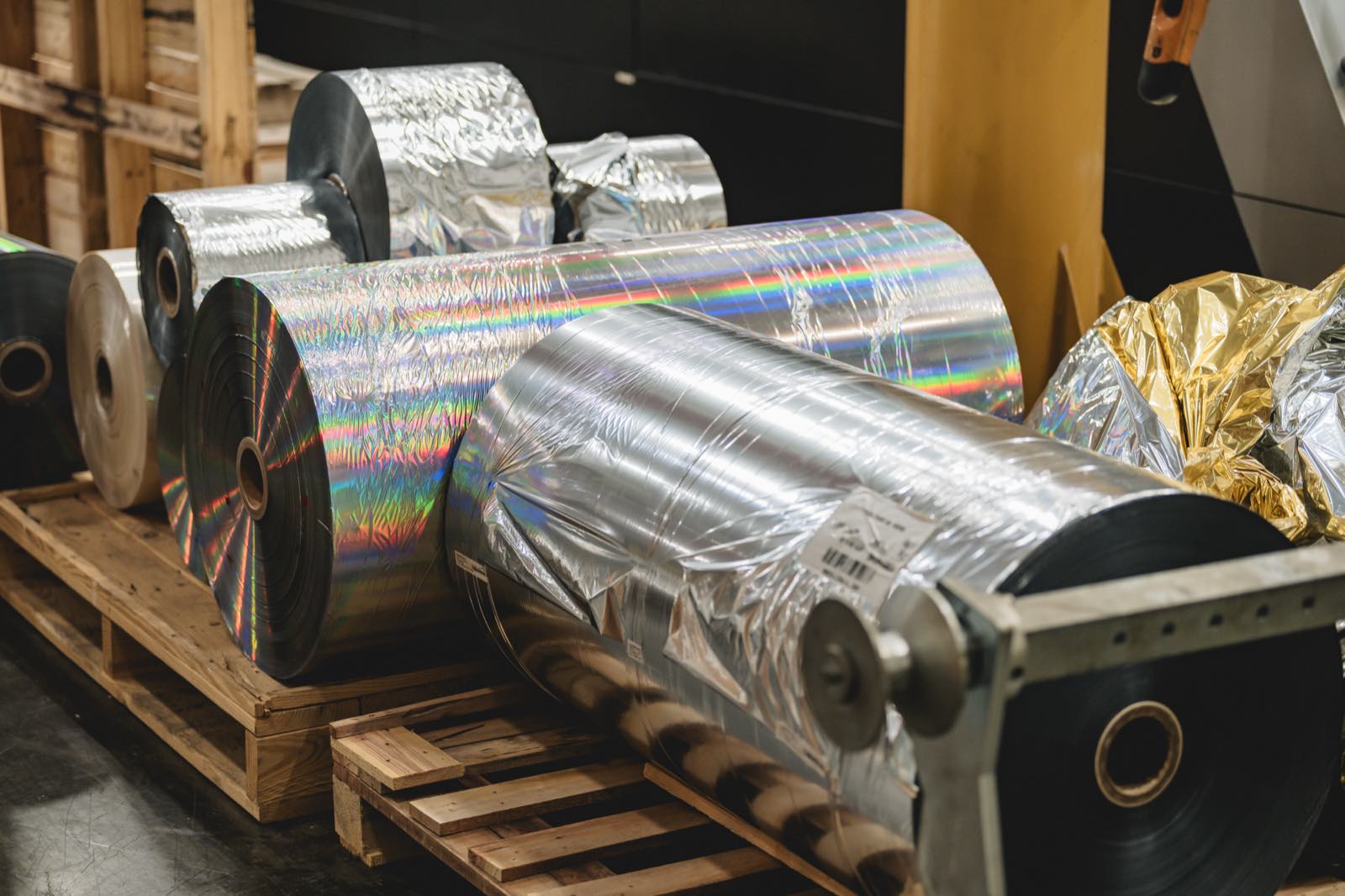
- Best for: very long runs of flexible packaging, film, and publication work.
- Pros: gravure printing has long been a standard for high-quality reproduction, including photographic images, and its cylinders are built to last across very long runs.
- Cons: every color needs its own engraved cylinder, so the setup only pays off at high volume, and it is rarely the right fit for a short or mid-size job.
4. Digital Printing
- How it works: inkjet or toner presses print straight from the digital file, with no plates or cylinders.
- Best for: shorter runs, prototypes, and artwork that changes from piece to piece.
- Pros: no plates to make, quick changeover between designs, and every sheet can carry different artwork.
- Cons: inks generally cost more than conventional flexo inks, the range of printable materials is narrower than flexo’s, and the advantage narrows as runs get longer.
5. Screen Printing
- How it works: a squeegee pushes ink through a fine mesh screen. Areas blocked off on the screen form the stencil, and the thickness of the ink layer follows the mesh and the stencil.
- Best for: heavy, opaque ink effects and decoration on rigid items such as drinkware and bottles, plus some labels.
- Pros: thick, vivid ink layers, and it works on rigid and curved surfaces that other presses cannot feed.
- Cons: its smallest printable dots are considerably larger than flexo’s, so it is not suited to fine detail or photographic images.
6. Letterpress
- How it works: a raised, inked surface is pressed directly into the material. It is the oldest of the six methods.
- Best for: labels printed on rotary letterpress machines, and short decorative runs.
- Pros: crisp type with a pressed-in impression that reads as crafted and tactile.
- Cons: limited for full-color photographic imagery, and most volume packaging work now runs on flexo or offset.
On a carton, a similar pressed-in effect usually comes from embossing or debossing after printing rather than from the print itself.
What Is the Difference Between Offset and Flexo Printing for Boxes?
Offset and flexo are both plate processes, but they move ink in different ways, and each leads a different format.
So the practical answer for boxes is format: a retail folding carton is usually offset, a corrugated shipper is usually flexo. On a carton line, “flexo” often means a coating unit rather than a printing method. An offset press can carry flexo coaters that apply specialty coatings over the printed image in the same pass. Arkay’s offset press runs two double flexo coaters for inline pearlescent, gold, and silver coatings, while the image itself is printed offset.
Which Printing Method Is Best for Luxury Folding Cartons?
For luxury folding cartons, sheetfed offset is the standard. It answers the three things a premium carton asks for.
Detail. Offset holds fine type, hairlines, and detailed imagery on smooth SBS paperboard, which is where small type and intricate artwork show first.
The same shade on every carton. Premium brands need color that holds across the run and on reorders. On offset, that comes from press-side color control such as G7 color management, from spot inks mixed to a Pantone standard, or from a fixed seven-color set with extended gamut printing.
Room for finishing. Coatings can run inline on the press, and the carton then moves on to finishing such as foil stamping, embossing, and spot UV. Printing and finishing are separate decisions, and the finish plan belongs in packaging prepress, before plates are made, so the print and the effects line up. Our guide to types of packaging finishes covers how they combine.
Digital is used for prototypes and very short runs, and gravure for very long film runs; neither is how most premium folding cartons are produced.
How Arkay Prints and Finishes Premium Cartons
Arkay prints folding cartons sheetfed offset on SBS paperboard from 14 to 28pt, and only offset. It deliberately does not offer digital or flexo printing, and builds finishing depth around the print instead. As Chairman and CEO Mitchell Kaneff described on the Innovation with Dennis Quaid program, Arkay’s Heidelberg presses integrate AI-assisted color management, working alongside G7 calibration.
On the press, two double flexo coaters add pearlescent, gold, and silver coatings inline. After printing, the carton can carry foil stamping, embossing and debossing at ±0.3mm registration, spot UV, and inline soft-touch aqueous coating. For programs with many versions, Arkay’s proprietary Paint on Press process, developed under the late Chairman Emeritus Howard Kaneff, produces up to 20 variations from one setup.
The work runs from prepress through finishing at Arkay’s facility in Roanoke, VA, for brands across cosmetics, spirits, personal care, and more. The full range is on our capabilities page.
Match Your Artwork to the Press
If you are weighing how a new carton should be printed and finished, start with the artwork. Share your artwork and finish plan, and we will work through how it prints on offset and which finishes carry the effect you want, from proof to press. The Arkay Design Studio in Hauppauge, NY, can typically turn a concept into a physical mock-up within a week.
Frequently Asked Questions
Why is gravure printing rarely used for folding cartons?
Gravure needs one engraved metal cylinder per color, and that setup only pays off across very long runs, which is why it is most at home on flexible packaging and film. Folding cartons are printed on smooth paperboard, where sheetfed offset already holds fine detail and color.
What is flexible packaging printing?
Flexible packaging printing covers films, pouches, wrappers, and foils, which are printed from reels rather than sheets. Flexography and gravure lead this work because both handle thin, non-absorbent materials at speed. It is a different format from folding cartons, which are printed on paperboard sheets.
Can a folding carton have a metallic or pearlescent effect without foil?
Yes. A metallic or pearlescent look can come from specialty coatings or inks applied on press, while foil stamping gives the full mirror finish. Arkay applies pearlescent, gold, and silver coatings inline, using flexo coaters on its offset press, so the effect is added in the same pass as the print.