
A packaging finish is anything added to a printed carton sheet to change how it looks, how it feels, or how well it holds up in handling. Few premium cartons carry just one. A logo picks up foil, the foil sits on raised relief, and a soft-touch field surrounds both.
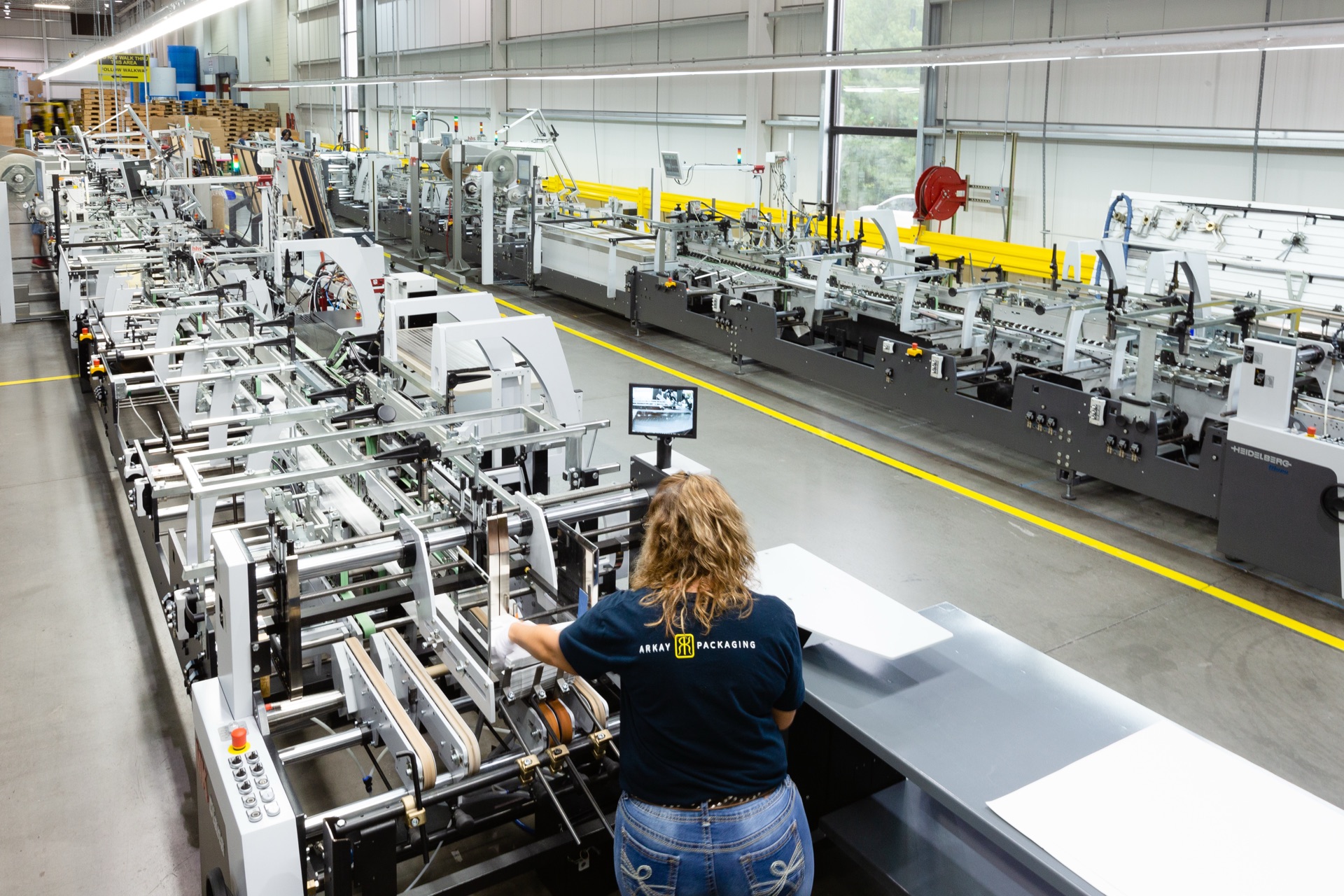
This guide explains the main types of packaging finishes first, then how to combine them on one carton. It is written from the production side by Arkay Packaging, a fourth-generation, family-owned folding carton manufacturer that has operated since 1922 and works alongside the brand and design teams it makes cartons for.
Types of Packaging Finishes
Packaging finishes, which printers also call printing finishes, fall into four families: Coatings, foil stamping, embossing and debossing, and lamination. Because each family changes a different property, they combine readily.
Coatings
Coatings are liquids laid over the print, usually on press. An aqueous coating is water-based and works as the everyday protective layer, in gloss, satin, or matte. A UV coating hardens the moment ultraviolet light reaches it, which gives a tougher and glossier surface, and spot UV applies it only to selected areas so they shine against the rest of the panel.
Arkay runs two of these inline. Soft-touch aqueous coating gives the panel its velvety feel without an extra pass, and two double flexo coaters linked to the main press add pearlescent, gold, and silver effects.
Foil Stamping
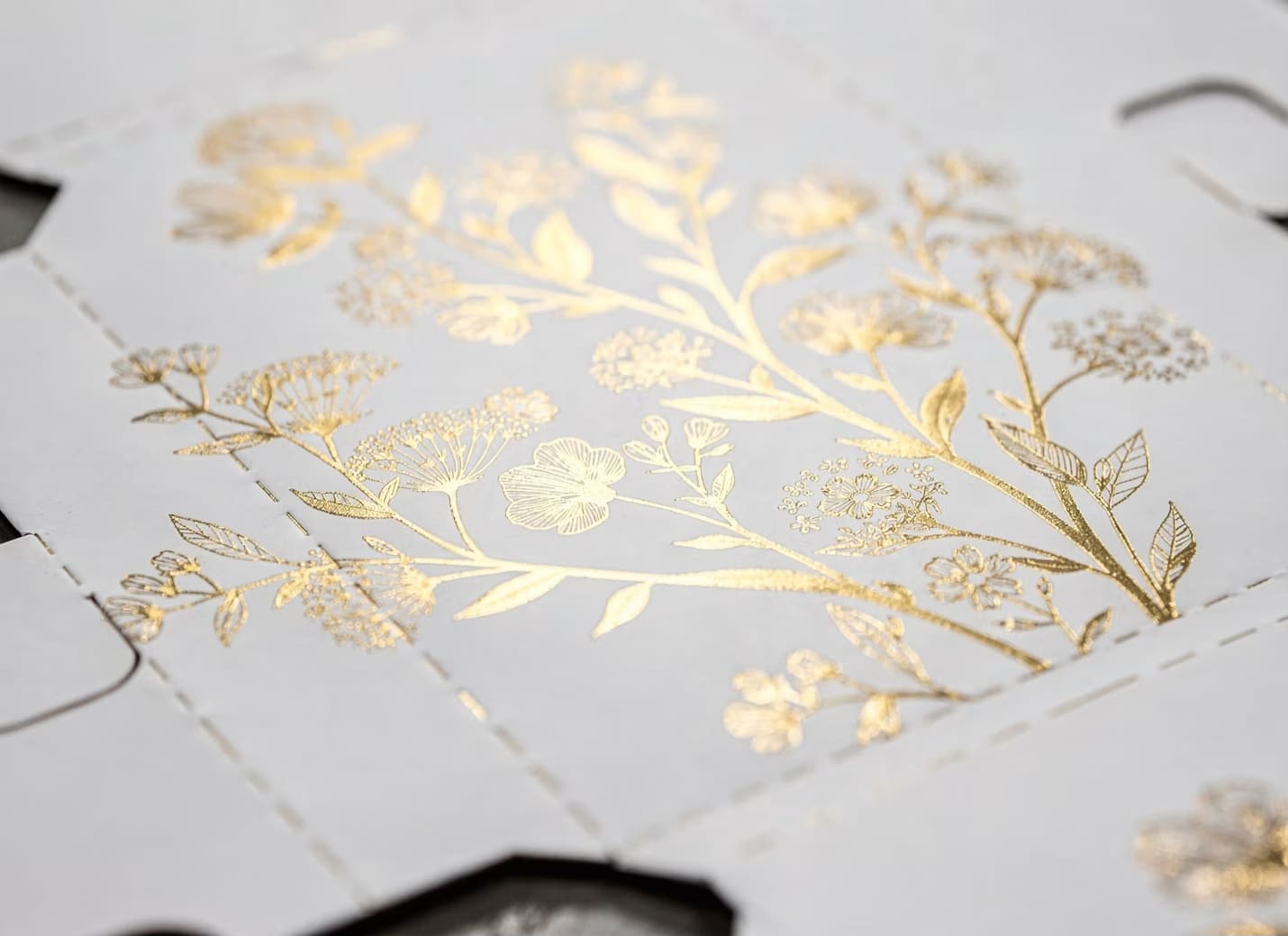
Foil stamping transfers a thin metallic or pigmented layer onto the carton. In hot foil stamping, a heated metal die presses the foil off its carrier film onto the printed sheet as a separate operation, which produces a bright mark with a crisp edge. In cold foil, an adhesive is printed in the shape of the design and the foil bonds to it on press, so the metallic can run across wide areas and take printed color over it. Our guide to hot foil and cold foil compares them.
Embossing and Debossing
Embossing lifts part of the board above the surface, and debossing sinks part of it into the panel. Both are formed between a die and a matching counter die, and the relief can carry foil or print or be left blind. Our embossing vs debossing guide compares the two, and relief on its own is the subject of our guide to blind embossing.
Lamination
Lamination bonds a thin plastic film to the printed sheet in a separate step after printing, in gloss, matte, or soft-touch versions. It is the main alternative to a coating when a brand wants a soft-touch surface. Arkay does not offer soft-touch lamination and runs inline soft-touch aqueous coating for that feel instead. Our comparison of soft-touch lamination and soft-touch coating explains how the two differ.
Registered Embossing vs. Combination Dies
Once foil and relief share a mark, two terms come up that are often treated as one.
Registered embossing is relief lined up with something already on the sheet: A printed graphic, a foil mark, or both. The emboss is struck in a separate operation and has to land on the artwork it is meant to raise.
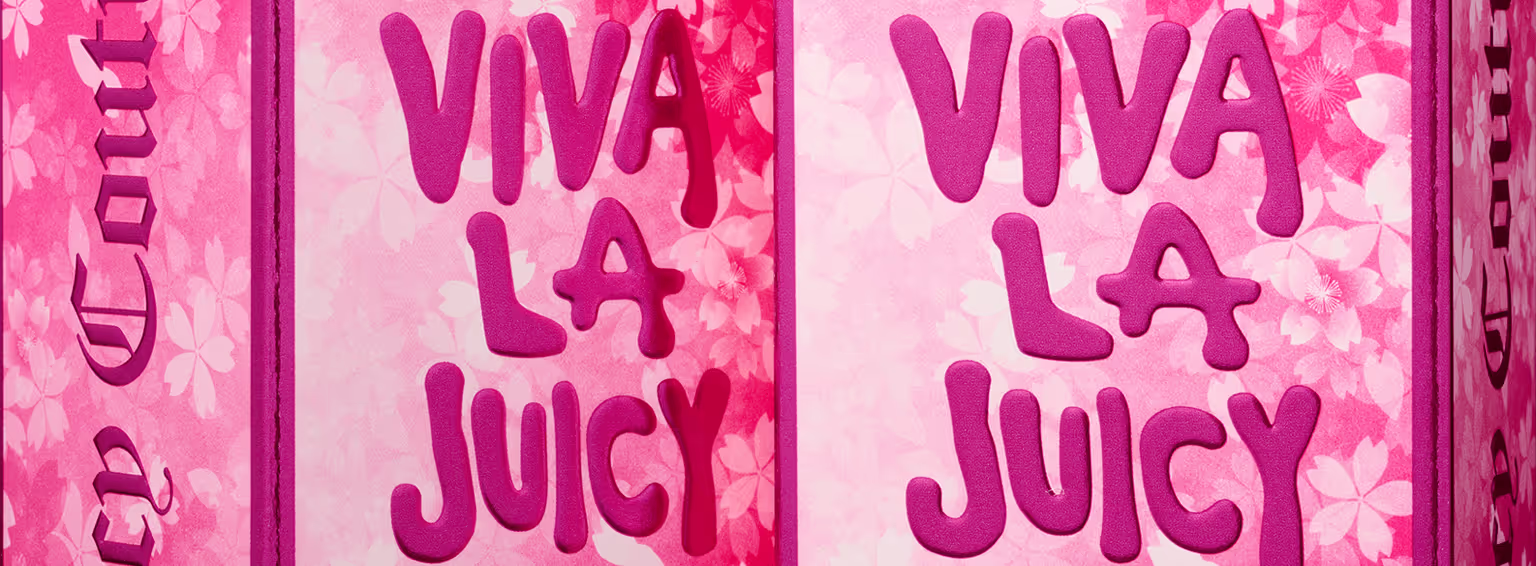
A combination die foils and embosses in one hit. Because one tool transfers the foil and forms the relief at the same moment, the foil edge and the relief edge are far less likely to drift apart. The alternative is two passes: Foil first with a foil die, then a separate emboss die registered to the foil.
Packaging Finish Combinations That Work
A combination works when each finish does something the others cannot. Shine, height, and surface feel are three different jobs, and the strongest cartons give each one to a single finish.
1. Foil and Emboss Registered to the Same Artwork
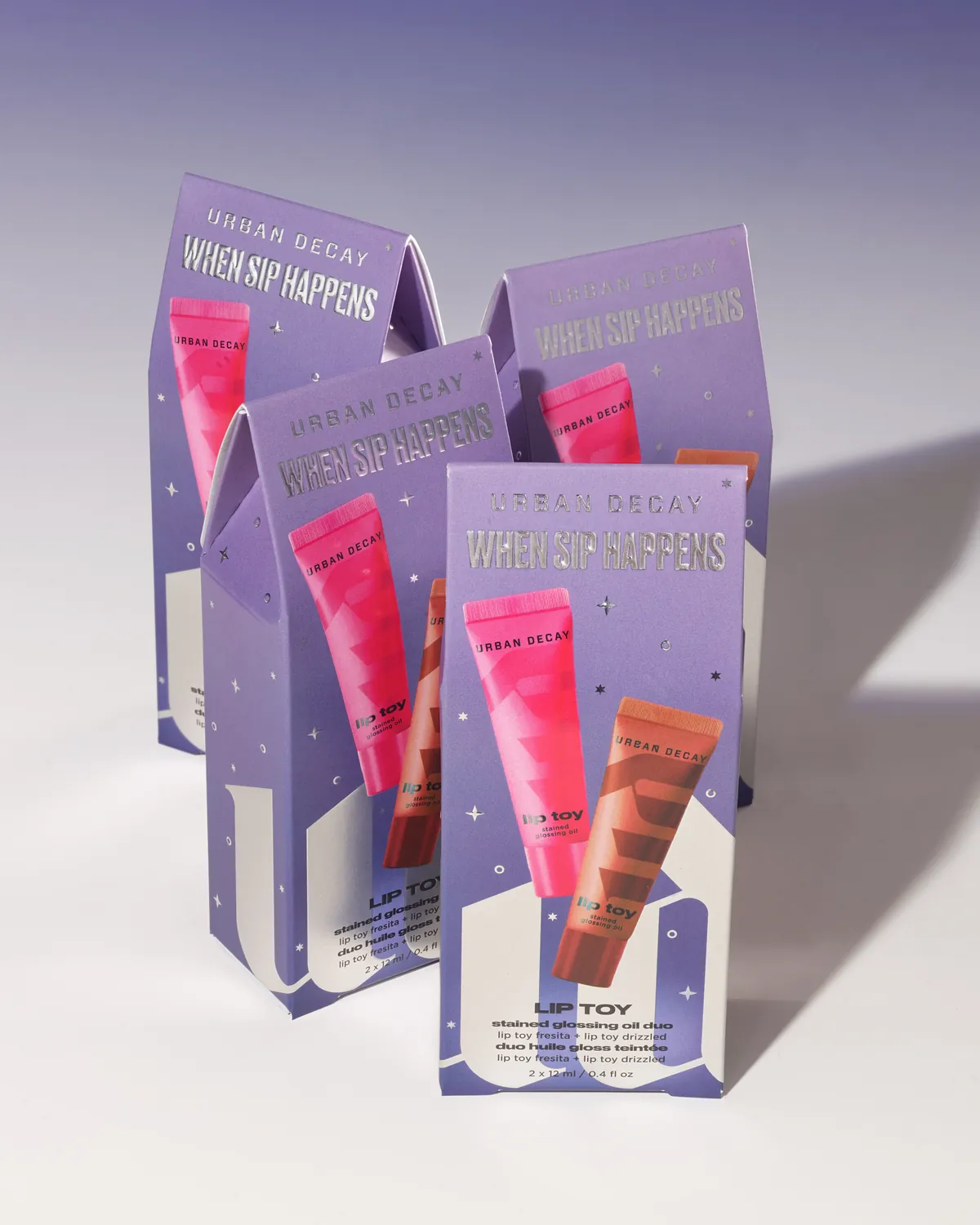
The foil gives the mark its shine and the relief gives it height, so the logo catches light from two directions. The choice to make early is between a combination die and two separately registered passes, because it decides how closely the foil edge follows the relief edge. Fine type and thin rules favor the single tool.
2. Spot Gloss Against a Soft-Touch Field
A gloss spot, usually spot UV, reads strongest against a low-sheen surround. A soft-touch coating makes the field feel velvety in the hand, and the gloss areas then stand out by sight and by touch at once.
3. Emboss Over Printed Areas
Relief can raise a printed image or pattern as well as a logo, so an illustration stands up off the panel. Registration matters more here than anywhere, because the eye compares the raised shape with the printed shape directly.
4. Inline Specialty Coatings Alongside Foil
A shimmer field and a foil mark make a useful pair: The coating gives a soft, broad glow across a panel, and the foil gives one sharp, mirror-like point of focus. Because the shimmer coating goes down on press, any foil added afterward lands on the coated surface. That makes it a pairing to specify together and test on the coated sheet.
Combinations That Conflict or Need Care
Most combination failures are placement problems: Each finish works, but it sits in the wrong place.
1. Foil Across a Crease
A carton bends at its scores, and the surface stretches at the fold. Foil running across that line can crack or flake once the carton is folded, and the damage shows most on a metallic surface. Plan foil to stop short of the scores, or check a folded sample before approving a design that wraps foil around an edge.
2. Emboss Too Close to a Score
Relief compresses the board, and a score weakens it on purpose so it folds. Put the two close together and the panel can crack or fold off line. An emboss near a score also has to be struck in a separate pass ahead of die cutting, not during it. Arkay reviews emboss zones against the carton’s die-line before the die is made, a check its production team calls “omitting.”
3. Coatings Where Foil or Glue Has to Bond
Some inks and coatings resist foil. Kluge, a maker of foil-stamping presses, notes that inks and varnishes high in wax, Teflon, or silicone resist the foil’s adhesive, and that stamping over UV coatings can be difficult.
Glue has the same problem at the carton’s glue flap. Since on-press coatings can be laid across the full sheet or limited to selected areas, the usual answer is to leave the coating off the glue areas and, where needed, off the areas that will take foil.
4. Too Many Effects on One Panel
Foil, relief, gloss, shimmer, and soft-touch all on the same face compete rather than build. Give one effect the lead on each panel and let the others support it, or move the second effect to another face of the carton. A blind emboss on its own can also carry a panel through light and shadow.
The Order Finishes Go On, and Why
A combined finish is built in layers, and each step depends on the surface the previous one leaves. On an offset-printed folding carton, the typical order is:
- Print: The artwork goes down on press, along with cold foil where it is used.
- Coat: Inline coatings go on in the same press run, with gaps left where foil or glue needs them.
- Hot foil: A heated die transfers foil onto the printed, coated sheet as a separate operation.
- Emboss: Relief is struck after the foil, so the raised shape forms under the foil that sits on it. A combination die does steps 3 and 4 in one hit.
- Die cut and score: The sheet is cut into individual carton blanks and the fold lines are pressed in. Our guide to die cutting covers that step.
- Fold and glue: The blanks are folded and glued on the flaps that were kept clear of coating and foil.
How Registration Between Finishes Is Held
Registration is how closely each finish lands on the artwork and on the other finishes. On a combined carton, it is held at three points.
- Print to print: Color is managed to G7 color management standards, so the artwork every finish lines up with stays consistent from sheet to sheet.
- Relief to artwork: Arkay holds emboss registration to ±0.3mm, which is about the thickness of three sheets of office paper stacked together. That is close enough for raised relief to land on a printed element rather than beside it.
- Foil to relief: On any carton, a combination die keeps this gap to a minimum. With two passes, the emboss die is registered to the foil, and the design allows for the small difference between operations.
What a Combination Changes About Tooling, Proofing and Timing
Every finish added brings its own tooling and, often, its own pass through the plant.
- Tooling: A foil die for each foil area and an emboss die with its counter die (the backing tool the board is pressed into), or one combination die in place of both, plus the cutting die every carton needs.
- Passes: Coatings, including the flexo specialty effects, go down during the print run, while hot foil and embossing usually run as separate operations, each with its own setup.
- Proofing: A combination has to be judged as a whole, on the production board. Arkay’s proprietary Paint on Press process, developed under Chairman Emeritus Howard Kaneff, runs up to 20 variations, which lets a brand team weigh finish options on actual board instead of a monitor.
Timing depends on the number of separate operations and tools, so it is set per project.
Recyclability of a Combined Finish
Recyclability is anchored to the paperboard, with each finish’s compatibility assessed against the board the carton runs on. For stamped foil, the Foil & Specialty Effects Association reported in 2021 that research at the Georgia Tech Renewable Bioproducts Institute found foil-stamped paper and board did not cause problems in a common repulping process, the step where board is broken back down into fiber. A blind emboss adds no material at all, and film laminates are the case to check most closely.
Arkay’s sustainability spec sheets, covering substrate certification (FSC, SFI, PEFC), finish composition, and recyclability characteristics, are available per project on request. Our guide to packaging recyclability explains how it is measured.
How to Brief a Combined Finish
A combined finish is easiest to get right when the brief describes the whole carton. Add these to the packaging brief:
- The lead effect: Which finish should catch the eye first on each panel, and which ones support it.
- A finish map: Each finish on its own artwork layer or named spot color, positioned on the dieline, so nothing is left to interpretation in prepress.
- Scores and glue areas: Marked on the dieline, so foil, relief, and coating can be kept clear of them from the first draft.
- Board and caliper: The paperboard and its thickness, since relief depth and foil behavior both depend on them. Arkay runs SBS (solid bleached sulfate) board between 14pt and 28pt, which is 0.014 to 0.028 inch thick, and embossing typically starts at 18pt.
How Arkay Plans a Combined Finish
With more than 100 years of manufacturing experience across four generations of family ownership, Arkay plans a combined finish as one specification rather than a sequence of separate effects, printed offset on SBS board at its 140,000 sq. ft. Roanoke, Virginia, plant. The full set of manufacturing capabilities and the packaging finishes Arkay runs are set out on their own pages.
Arkay works alongside brand teams and designers: The design intent stays with the brand, and our role is to make sure the combination holds on the press, the board, and the folds. That matters most in categories where finishing does much of the selling at the shelf, such as cosmetics packaging. For a finish-by-finish view of choosing between foil, coatings, and embossing, Arkay’s team wrote a guide for Packaging Digest.
Send Us the Finish Map for Your Carton
Let’s talk about how the finishes on your carton will work together.
If you have a design with foil, relief, and a coating in mind, send us the artwork and the dieline, even if neither is final. We will look at the order, the placement against the folds, and the tooling with you, so the combination is planned before any die is cut.
Contact the Arkay team and we will begin with the whole carton in view.