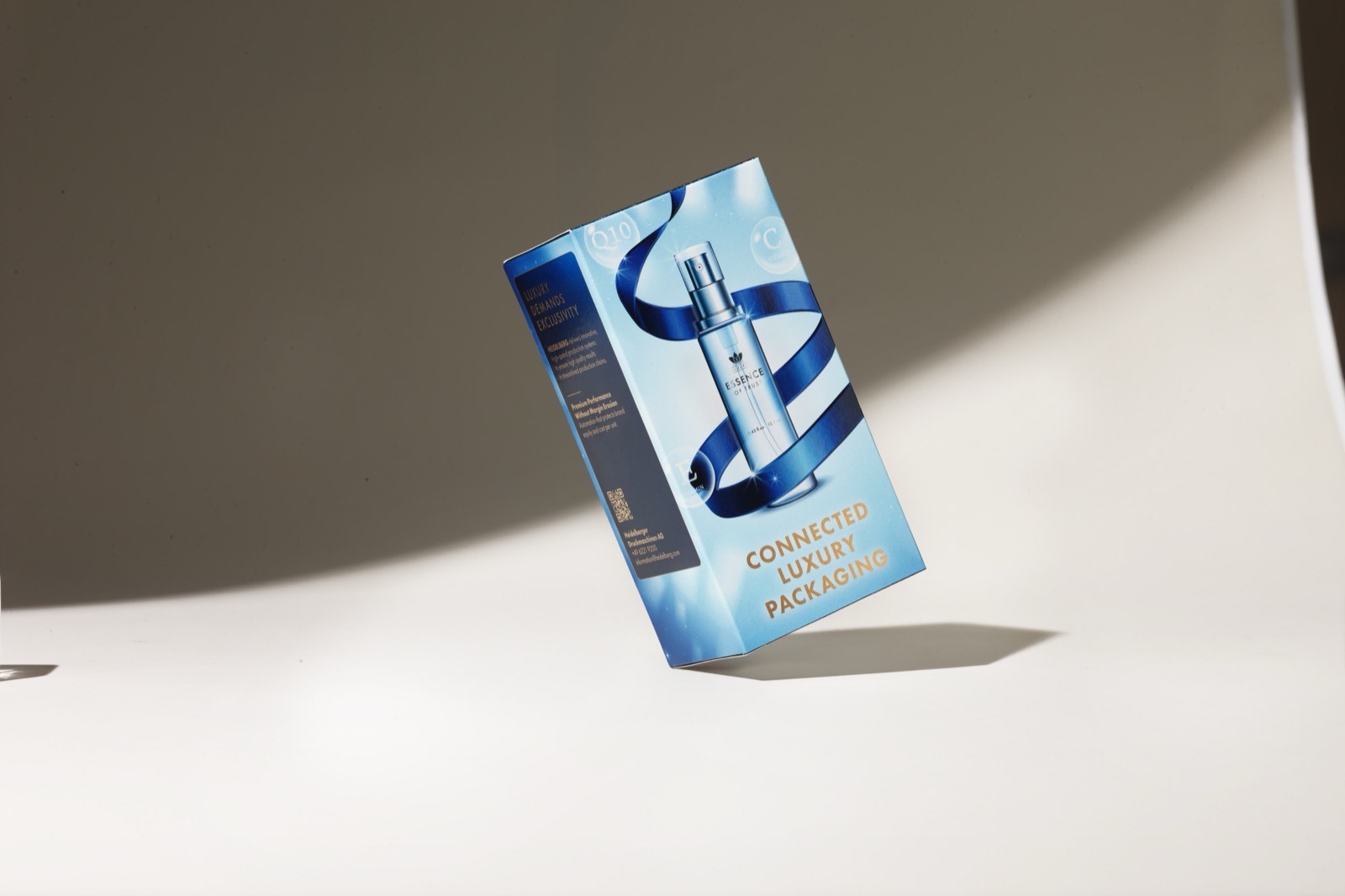
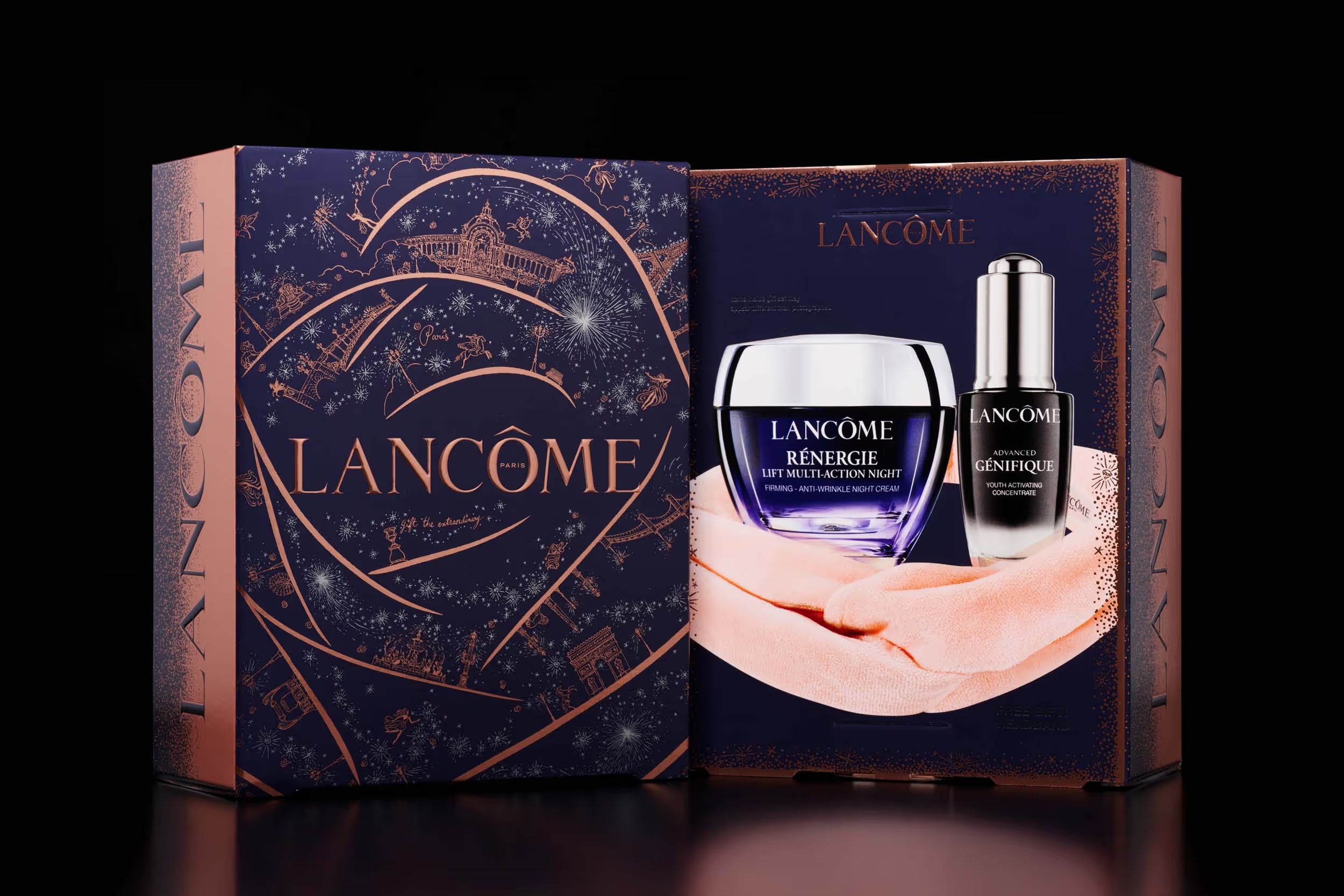
A packaging project usually looks smaller than it is. A brand team briefs a new box, a designer delivers strong artwork, and only then does someone find that the artwork was built for a carton that cannot be made at that size, on that board, with that finish. The rework that follows is a common and avoidable cost in packaging.
Most of it comes from one misunderstanding about what packaging design is. The term covers two different jobs, and a first-time buyer usually means only one of them: the artwork. This guide explains what packaging design includes, how structural and graphic design divide the work, and where a carton manufacturer fits in.
What Does Packaging Design Include?
Packaging design is the process of deciding how a package is built, what it says, and what it is made of, so that it protects the product, sells it at the shelf, and can be produced at scale. On a folding carton, that work falls into four layers. Each one is a decision, and each one affects the others.
This guide focuses on the carton, the secondary package that holds and presents the product. The bottle, jar, or tube inside is designed with its own supplier, and the carton is engineered around it.
Structural Design: The Shape of the Carton
Structural design decides the physical carton: its style (a tuck end, an auto-lock bottom, a sleeve), its dimensions, the board it is made from, how it opens and closes, and how it holds the product. It also decides how the carton behaves after it leaves the plant, on a filling line, in a shipper, and on a shelf.
The output of structural design is a dieline, the flat template the carton is cut and folded from. Our guide to structural packaging design covers this discipline in depth.
Graphic Design: What the Carton Says
Graphic design is everything printed on the carton: layout, brand hierarchy, color, typography, photography, and illustration. It decides which panel faces the shopper, what reads first, and how a range of products stays recognizable as one family.
This is the part most people picture when they hear the words packaging design. It is usually the work of the brand's own designers or agency.
Materials and Finishes: How the Carton Feels
The third layer is the substrate and the finishes applied to it. For a premium folding carton, that means a paperboard grade and thickness, plus effects such as hot or cold foil, embossing and debossing, and specialty coatings.
Finishes are design decisions with production consequences. Each one has to register to the print, and some combinations work better than others on a given board. Our comparison of embossing and debossing shows how one of those effects is planned.
Required Information: What the Carton Must Carry
A carton also carries information the brand cannot leave off. In cosmetics, for example, FDA labeling regulations define a principal display panel, the part of the package most likely to be seen at the point of sale, which carries the product's identity and net quantity. Ingredients go on an information panel, listed in descending order of predominance.
Environmental claims follow similar logic. Under the FTC's Green Guides, last revised in 2012, a recyclable claim printed on a carton should be qualified when recycling facilities are not available to at least 60 percent of the consumers or communities where the product is sold. Panel space for all of this has to be planned at the structure stage, which is why brands working on cosmetics packaging settle the copy before the artwork is final.
Structural vs Graphic Packaging Design: What Is the Difference?
Structural packaging design decides the shape of the carton; graphic packaging design decides what is printed on it. The first is engineering and the second is communication, and in most projects they are handled by different specialists. On our side of the work, a structural carton starts from the product itself: we measure it, engineer the carton around it, and issue the dieline, and the brand's designers build the artwork that tells the product's story on that dieline.
| Structural design | Graphic design | |
|---|---|---|
| Decides | Carton style, dimensions, board, closure, and fit to the product | Layout, color, typography, imagery, and brand hierarchy |
| Delivers | A dieline and a physical mock-up | Print-ready artwork built on the dieline |
| Usually done by | A structural designer or the carton manufacturer | The brand's designers or agency |
The difference also shows up when a carton changes. New artwork on the same carton keeps the existing dieline and cutting die. New dimensions, a window, or a different closure is a structural change that needs new tooling, which is why our guide to packaging redesign treats the two as different projects.
The Dieline Is Where Structure and Graphics Meet
A dieline is the flat, to-scale template of a carton, showing where it is cut, where it folds, and where it is glued. Structural design produces it, and graphic design is built on top of it. That makes it the handoff point between the two disciplines, and the place where most packaging problems start.
The reliable order is structure first, artwork second. When artwork is built on a generic template or an early draft, it may not fit the die the carton is actually cut with: copy lands across a fold, a background stops short of the cut, or a logo sits on a glue flap. Our guide to what a dieline is walks through those mistakes line by line.
Late changes are the costlier version of the same problem. If the carton's dimensions change after the artwork is approved, the dieline moves, and every panel of artwork has to be refitted to it, on every SKU in the range. Locking the structure before the artwork starts, and building the art on the manufacturer's final dieline, keeps a dimension change from turning into a redesign. From there, packaging prepress checks the files against the die before plates are made.
How a Packaging Manufacturer Supports the Design Process
Brand teams and their designers own the creative decisions: the brand story, the look, and the hierarchy of what the carton says. A folding carton manufacturer's job is to make those decisions work on press. In practice, that support runs through five steps.
1. Reading the Brief and the Product
Support starts with the product itself, or a sample of it, along with the sales channel, the expected quantities, and any finishes the brand already has in mind. A clear packaging design brief gives the manufacturer what it needs to propose a structure that fits.
2. Engineering the Structure and the Dieline
From the brief, the manufacturer's structural team designs the carton style and dimensions around the product, checks how the carton will run through folding and gluing, and issues the dieline the artwork will be built on. This is where a carton that looks right in a render is tested against how it will actually be cut, folded, and filled.
3. Building a Mock-Up Before the Artwork Locks
A physical mock-up puts the carton in hand before anyone commits to tooling. At Arkay's Design Studio in Hauppauge, New York, a concept becomes a physical mock-up early in the project, with timing set per project. Our guide to packaging prototyping explains what each stage of sample is for.
4. Specifying Board, Finishes and Color for Press
Next, the design becomes a production specification. At Arkay, that means SBS paperboard between 14 and 28pt from FSC, SFI, and PEFC certified sources, embossing, inline specialty and soft-touch aqueous coatings, and color managed under G7 color management so the printed carton is held to the approved color reference.
When a brand is weighing finish or foil options, Paint on Press, Arkay's proprietary process, runs up to 20 variations, so the options can be judged as real printed cartons.
5. Proofing Before the Run
Before production, the artwork is checked against the dieline and proofed, so the brand approves what will actually print. A problem caught at this stage costs a file correction. The same problem caught after printing costs a reprint.
How Arkay Works Alongside Your Design Team
Arkay Packaging was founded in 1922 and is in its fourth generation of family ownership. Cartons are printed and finished in a 140,000 sq. ft. facility in Roanoke, Virginia, and the Design Studio in Hauppauge, New York, is where brand teams and their designers work through structure and mock-ups with our team.
We work alongside your designers, engineering the carton so the design they approved holds up on press. The full range of processes is on our manufacturing capabilities page.
Bring Us Your Design Before the Artwork Is Final
Let's talk about the right packaging for your brand. Share the product, the carton you have in mind, and where the design stands, and we will show you how it can be built, finished, and proofed before the artwork locks.
Frequently Asked Questions
What is the purpose of packaging design beyond looking good?
Packaging design has to protect the product, tell the shopper what it is and why to choose it, carry the information the category requires, and run on production and filling equipment without trouble. Looking good is one result of getting those jobs right. A carton that wins on the shelf but crushes in a shipper, or cannot be filled on the line, has failed as a design.
Do I need a design team before talking to a carton manufacturer?
No. A brand can start with the product, a sense of how it should look, and a launch date. Arkay's Design Studio in Hauppauge, New York, can take an idea to a physical or printed digital mock-up, with timing set per project. When the brand does bring in designers later, they build the artwork on the dieline the studio has already engineered.
When in the design process should a packaging manufacturer get involved?
Before the artwork is locked, ideally while the brand is still choosing the carton style and finishes. At that point the manufacturer can shape the structure, board, and finish options around the design, instead of asking the design to change around them later. Brands that bring the manufacturer in only at the quoting stage often find their artwork has to be refitted.
What makes a packaging design good?
A good packaging design is clear at the shelf, protects the product through filling and shipping, carries its required information legibly, and can be produced consistently at the brand's volumes. It also holds together across a range, so every SKU reads as part of the same family. Judge it on a finished carton, because a render cannot show how it folds, fills, or ships.
How does sustainable packaging design change the design process?
It moves material decisions to the start. Choosing certified board, sizing the carton to the product, and limiting components are structural decisions, so they belong at the design stage rather than after the artwork is approved. Any recyclability claim printed on the carton also needs to be substantiated, so the claim and the material should be settled together. Arkay prints on board from FSC, SFI, and PEFC certified sources.
- US Food and Drug Administration, Cosmetics Labeling Regulations. https://www.fda.gov/cosmetics/cosmetics-labeling/cosmetics-labeling-regulations
- Federal Trade Commission, Environmental Claims: Summary of the Green Guides. https://www.ftc.gov/business-guidance/resources/environmental-claims-summary-green-guides